




















FCRSOFT
What Should FCR Be for Common Carp?
Typical FCR range in Common Carp farming, suitable water temperature, oxygen, harvest weight and production time. Calculate and improve your FCR.
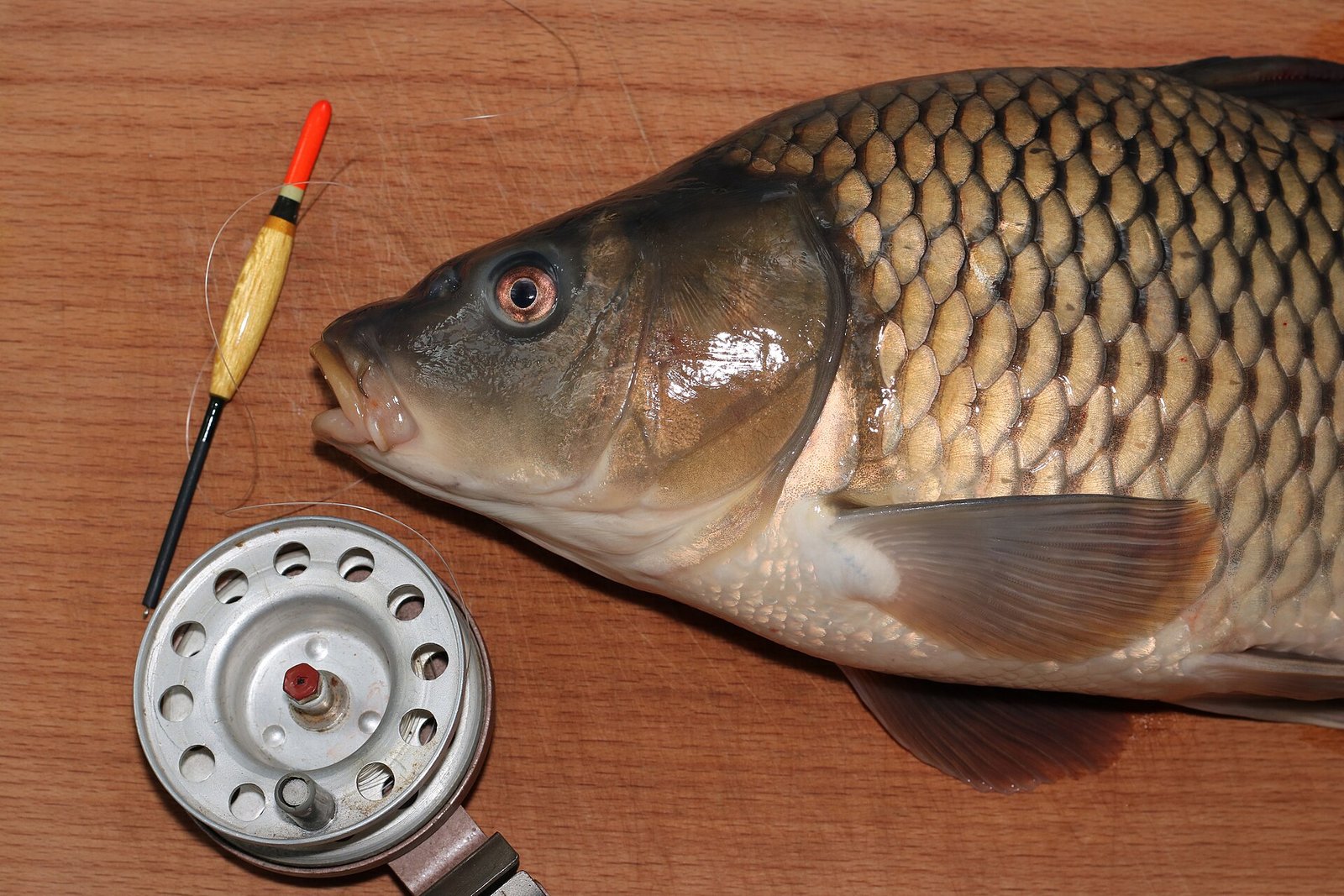
In commercial Common Carp (Cyprinus carpio) farming, economic FCR is usually in the 1.5–2.2 range. The value varies with water temperature, fish size, feed quality and feeding management.
| Typical FCR range | 1.5–2.2 |
|---|---|
| Suitable water temperature | 20–28 °C |
| Minimum dissolved oxygen | 4 mg/L |
| pH range | 6.5–9.0 |
| Salinity | 0–3 ‰ |
| Typical harvest weight | 1–2 kg |
| Production period | 18–24 months |
| Daily feeding rate | %2.5 |
Values are general references and may vary with your farm’s conditions.
In carp, the pond’s natural food complements the feed; fertilisation and water management that raise natural productivity can lower FCR.
Worked example
Producing 300 t of Common Carp a year at an FCR of 1.85 requires about 555 t of feed. Lowering FCR to 1.75 saves about 30 t of feed.
Free tool: FCR Savings Calculator
Factors that affect FCR in Common Carp
- Species and genetics
- Water temperature and dissolved oxygen
- Fish size: smaller fish convert feed more efficiently
- Nutritional value, pellet size and digestibility of the feed
- Feeding frequency, amount and feed loss
- Stocking density, health and stress
Natural food and supplementary feed
Common carp has been farmed for centuries in earthen ponds where natural food, such as zooplankton, insect larvae and benthic organisms, provides a large part of its diet. In extensive systems, fish are not fed at all and production depends on pond fertility. In semi-intensive systems, cereals or pellets supplement natural food, and in intensive systems most growth comes from complete pelleted feed. FCR values are therefore only comparable within the same system. A pond farm reporting an FCR of 1.6 on supplementary feed and a tank farm reporting 1.6 on complete feed are measuring different things.
Cereals or pellets?
Many traditional farms feed carp with wheat, maize or barley. These grains are cheap and rich in energy but low in protein, so they work only when natural food covers the protein requirement. With cereals alone, FCR values above 3 are common. Pelleted feeds with roughly 25–35% crude protein give much lower FCR and faster growth, and the choice should be made on cost per kilogram of growth, not on price per tonne. Many farms combine the two: pellets in the first season, when protein needs are high, and a larger share of cereals later.
A stomachless fish
Carp has no true stomach, so it processes food continuously rather than storing a large meal. It benefits from frequent, smaller rations rather than one large daily feeding. In practice, demand feeders or several feedings a day at fixed feeding places give better results than a single heavy ration, which partly passes through the gut undigested.
The temperature season
Carp feeds and grows best at about 23–28 °C. Below 12–14 °C appetite falls sharply, and below about 8–10 °C feeding practically stops. In temperate climates, carp is produced over two to three growing seasons and spends the winter without feed, often losing some weight. That weight loss raises the FCR of the whole cycle and should be included when calculating the real cost of production. Plan feeding in spring and autumn from actual water temperatures rather than calendar dates.
Pond management and oxygen
Pond fertilisation with organic or mineral fertilisers raises natural productivity, which lowers the amount of feed needed, but it must be balanced against oxygen. Dense plankton blooms produce oxygen by day and consume it at night, so early morning lows can fall below 3 mg/L in summer. When that happens, carp stop eating and become stressed. Aeration, water exchange and reduced feeding on hot, still nights protect both the fish and the FCR.
Polyculture
Carp are often stocked together with other species, such as grass carp, silver carp and bighead carp, which use different food sources in the same pond. In polyculture, FCR should be calculated on the total harvest of all fed and unfed species, and also separately for the fed species, to know where the feed actually goes.
Carp FCR checklist
- Choose feed by cost per kilogram of growth.
- Feed several smaller rations at fixed feeding places.
- Follow water temperature daily, especially in spring and autumn.
- Measure oxygen before dawn in summer.
- Include overwintering weight loss in cycle FCR.
Frequently asked questions
Why is my carp FCR so different from published figures?
Published values often describe intensive production on complete feed. If your fish also eat natural food, your feed FCR will be lower; if they are fed mostly cereals, it will be higher. Compare only with farms using the same system.
Should carp be fed in winter?
Below about 8–10 °C carp take little or no feed, and feeding is usually stopped. On mild days small rations can be offered, but uneaten feed decays and harms water quality.
How large should carp be at harvest?
Typical market sizes are 1–2 kg, reached in two to three growing seasons in temperate climates.