
















Harvest (Aquaculture)
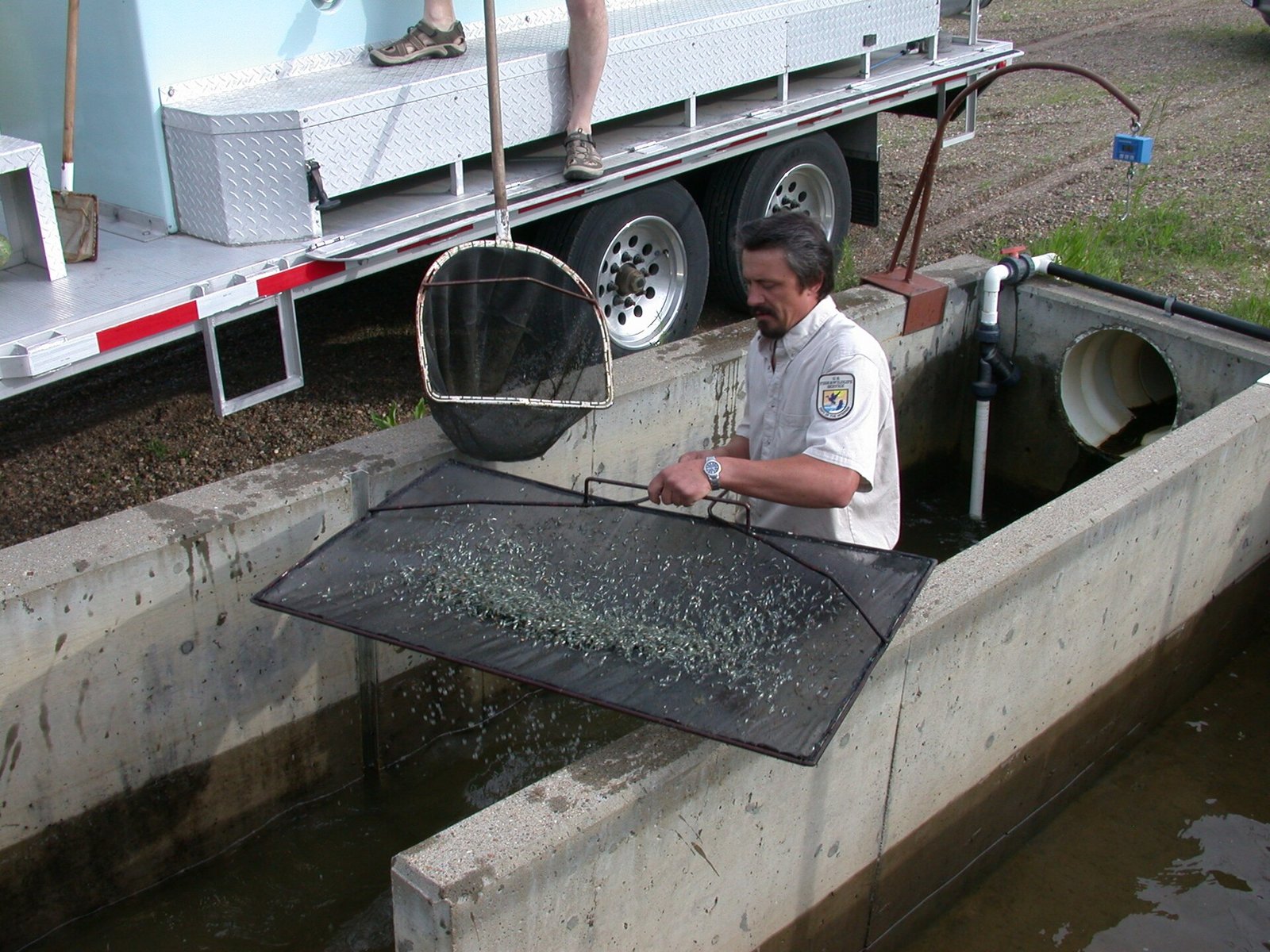
Harvest in aquaculture is the planned removal of market-sized fish from the production unit, from pre-harvest preparation through capture, slaughter, and chilling, and it is the single event that converts biomass into revenue, so its handling determines product quality and value. Best practice begins days beforehand: feed is withdrawn for 1-3 days (or longer where off-flavour depuration is needed) to empty the gut and reduce oxygen demand and ammonia during crowding; licensed harvest plans schedule pumping, grading, and transport around temperature and weather. Crowding and netting stress fish, raising cortisol and depleting muscle energy reserves, so crowding duration is minimised and fish are stunned immediately, either percussively or electrically, followed by rapid bleeding in ice water. Core quality parameters set at harvest are freshness, flesh temperature reaching 0-4 °C within hours, and the absence of stress-related defects such as gaping, haematomas, or pale gills, which show up in fillets days later. Logistics are planned to the hour because delayed slaughter of stressed fish produces soft, watery flesh. Partial harvests to thin biomass before final harvest improve the growth of remaining fish, and accurate harvest counts and weights close the production cycle, feeding back real FCR and SGR data for the next cohort.
Related terms
- Drain Harvesting Technique
- Crayfish Farming Basics
- Nori (Porphyra) Cultivation
- Kelp Cultivation and Lines
- Post-Harvest Seaweed Drying
- Traceability Systems and Chain of Custody
- Cold Chain Management (Harvest to Market)
- Handling and Transport Stress (Live Fish)
- Ice Slurry Stunning and Bleeding
- Rigor Mortis and Flesh Quality
- Grow-out
- Depuration
Referenced in articles
- How to Plan a Fish Harvest
- Harvesting Sea Bass and Sea Bream: Fasting, Slaughter and Shelf Life
- Red Swamp Crayfish Farming: Ponds, Rice Fields and Markets
- Labour Costing on Fish Farms: Recording Time Against Tasks and Crops
- Medication and Chemical Use Records That Pass Certification Audits
- Drying and Processing Farmed Seaweed On-Site: Equipment and Method Comparison
- Epiphyte and Fouling Control on Seaweed Lines
- Harvest Crew Hygiene and Food Safety Basics for Farm-Gate Sales
- Humane Harvest SOP for Pond and Cage Fish: Stunning, Bleeding and Chilling Sequence
- How to Handle and Store Ice, and How Much Ice Fish Actually Need