Aquaponics Biofilter Sizing for Plant Nutrient Supply
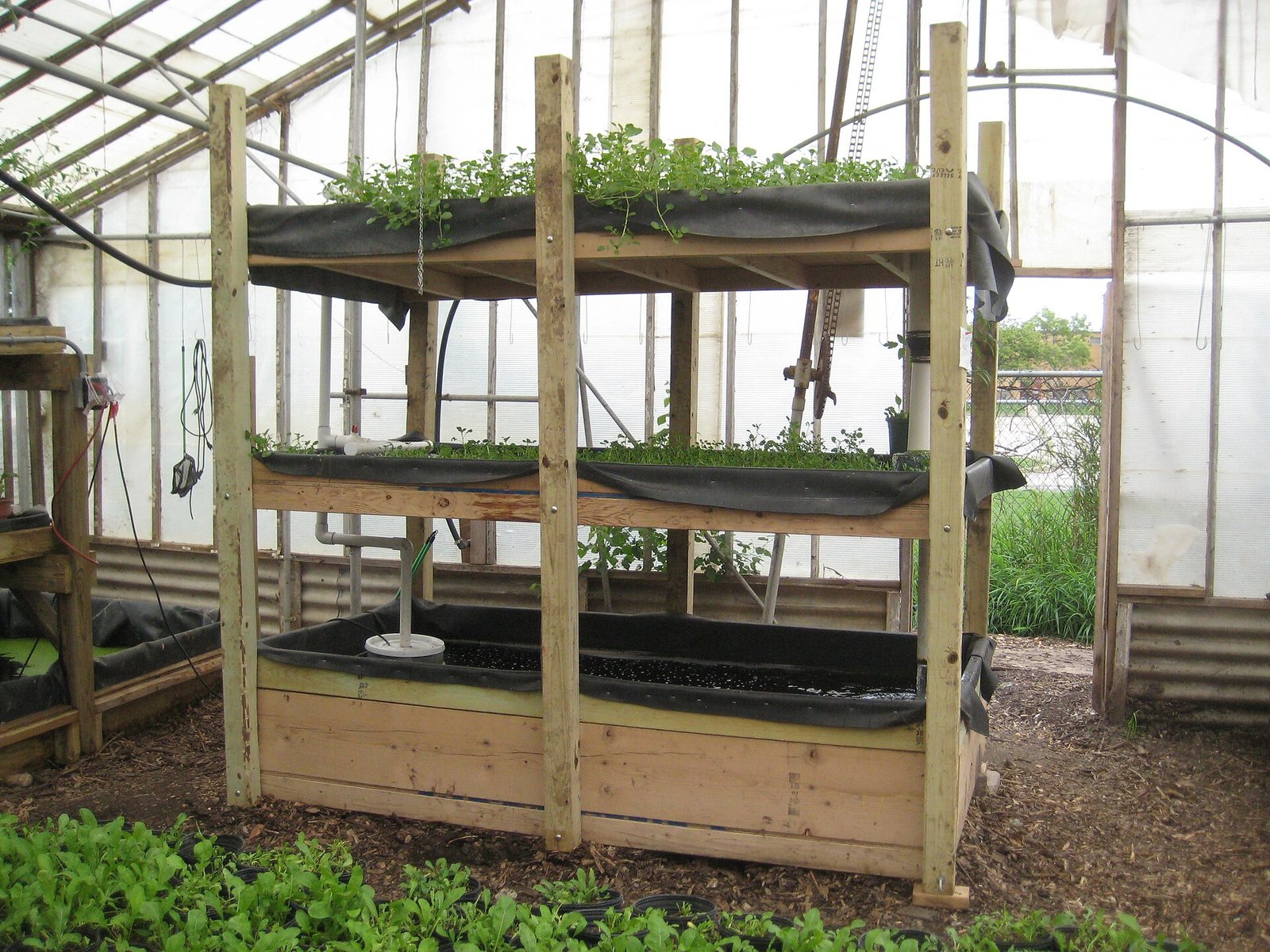
Biofilter sizing in aquaponics serves a dual purpose a fish-only RAS biofilter does not need to fully address: converting ammonia to the less toxic nitrite and then to nitrate quickly enough to protect fish health, the same core function any RAS biofilter performs, while also ensuring enough nitrate is actually generated and made available to meet the plant side's genuine nutrient demand, meaning an aquaponics biofilter is sized against both a fish-safety constraint and a plant-nutrition-supply target simultaneously rather than against fish safety alone. An undersized biofilter in an aquaponics context creates the familiar fish-safety risk of ammonia or nitrite accumulation seen in any RAS, but an oversized or overly efficient biofilter, somewhat counterintuitively, can also work against the system's balance by converting nitrogen through the nitrification chain and into forms that settle or get removed before plants have adequate opportunity to take up the nutrients, meaning aquaponics biofilter design in media-bed systems specifically leans on the growing bed itself, rather than a separate dedicated biofilter, to perform a meaningful share of the nitrification function in direct physical proximity to the plant roots that will use the resulting nutrients. In NFT and DWC systems that require upstream solids removal and typically a separate, dedicated biofilter stage before water reaches the growing channels, sizing follows closer to conventional RAS biofilter sizing principles, calculated against total ammonia production from the stocked fish biomass and feeding rate, with the plant-nutrient-supply consideration addressed more through downstream nutrient supplementation than through biofilter sizing itself. Biofilter media surface area, water residence time through the filter, and oxygen availability remain the same core sizing variables relevant to any RAS biofilter design, simply applied within the added constraint of the aquaponics system's dual fish-and-plant nutrient objective.