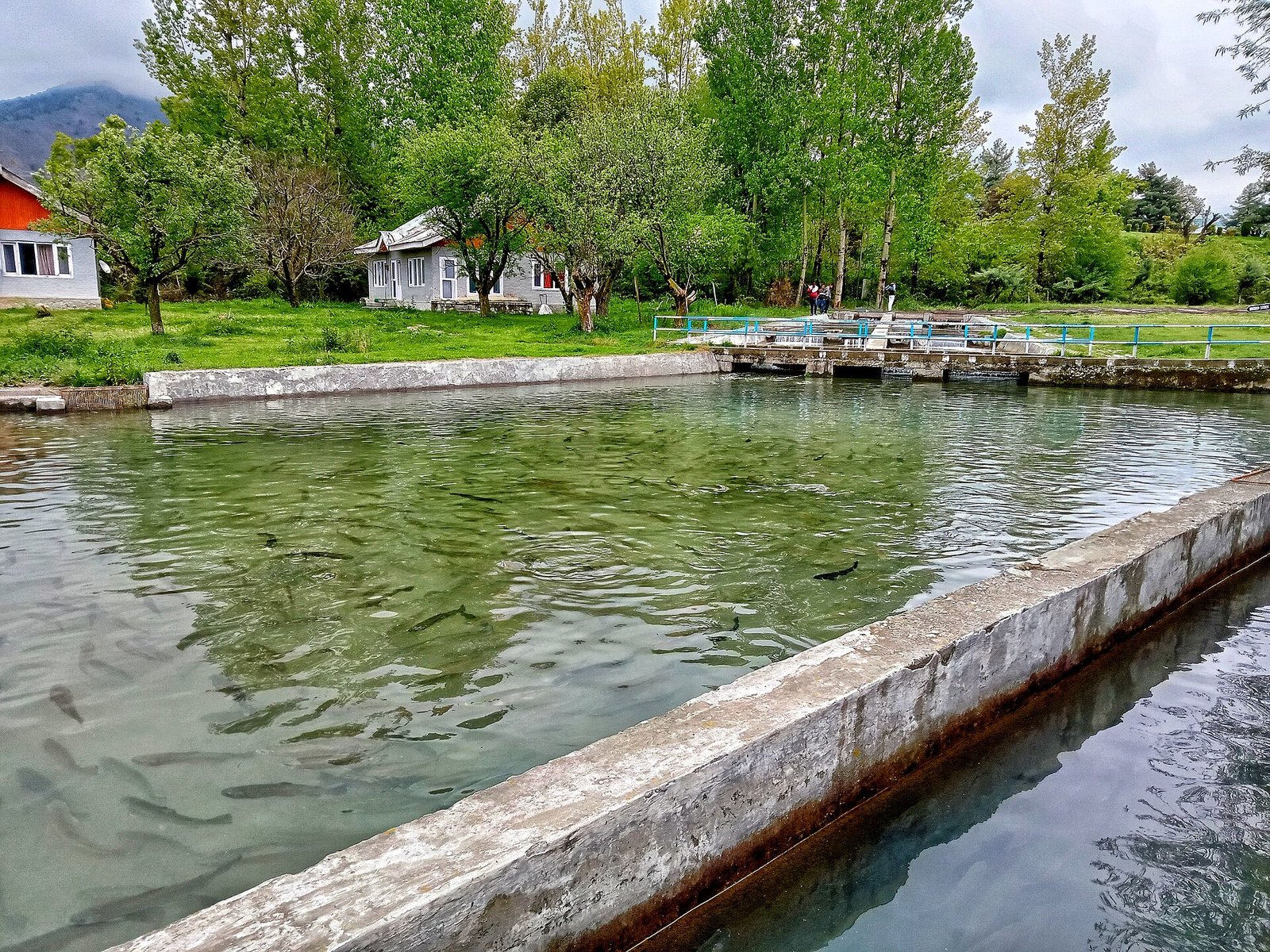
Biomass Estimation Data Pipeline (Camera and Machine Learning)
A camera-based biomass estimation pipeline captures underwater or in-tank images or stereo video of fish or shrimp, runs them through a trained machine-learning model that detects individual animals, estimates their length or body outline, and converts that into an estimated weight using a species-specific length-weight relationship, then aggregates thousands of individual estimates into a population-level biomass figure without requiring any physical handling or crowding of the stock. The pipeline's accuracy depends on several compounding factors: image quality (turbidity and lighting directly affect detection accuracy), the training dataset's representativeness of the actual farmed population (a model trained on one species or size range degrades when applied outside that range), and the sampling strategy, since even a highly accurate per-fish estimate produces a biased population estimate if the camera's field of view systematically samples certain size classes or tank zones more than others. Output biomass estimates feed directly into feeding-rate calculations and growth-rate tracking, making the pipeline's calibration and ongoing accuracy validation, periodically checking estimates against actual harvest or sample-weighing data, an operational necessity rather than a one-time setup task, since model drift as a population ages or water conditions change is a documented failure mode if left unmonitored.