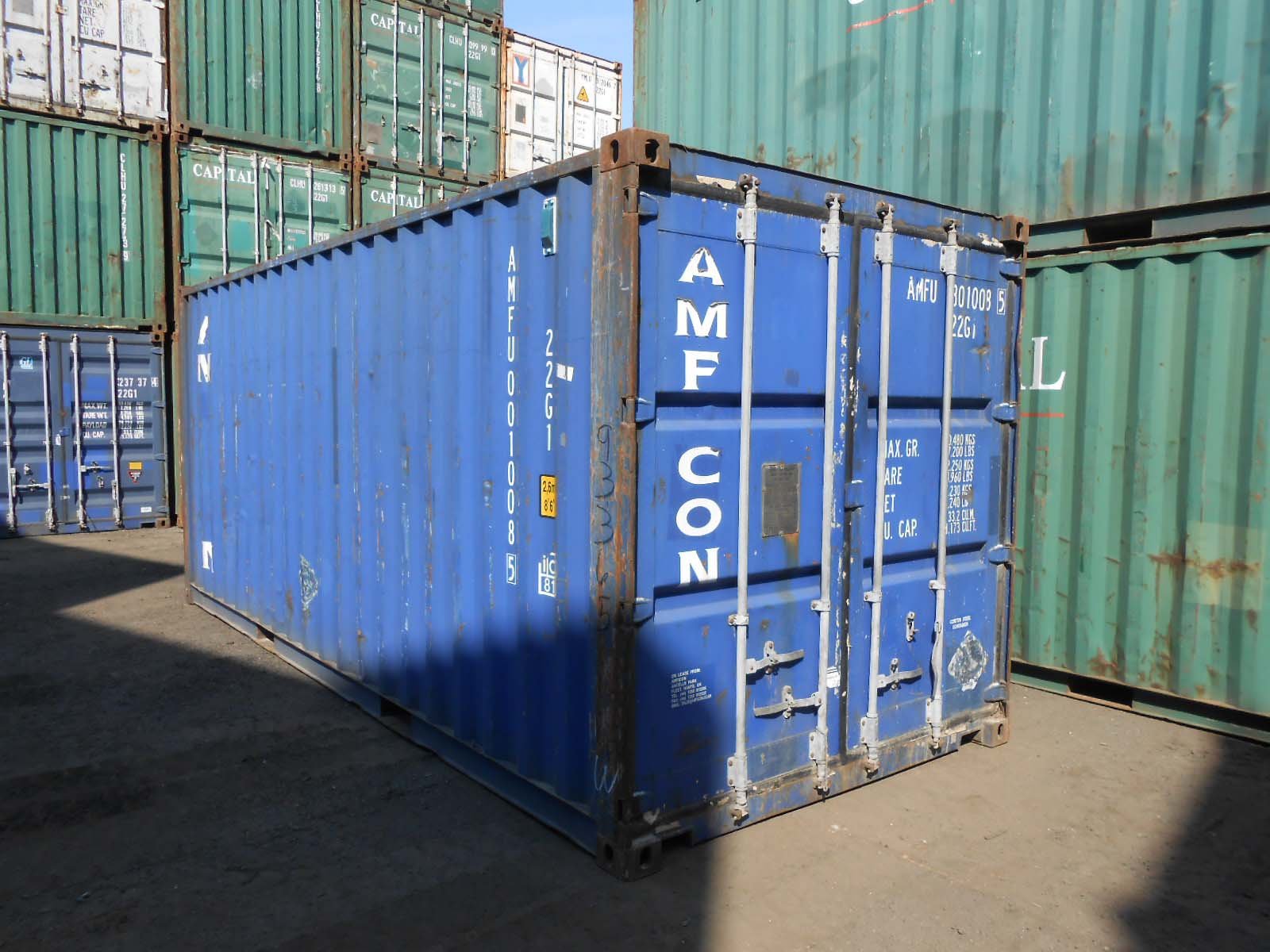
EU Border Control Post Inspection
Border Control Posts (BCPs) are the designated entry points where the European Union conducts mandatory documentary, identity, and physical checks on imported animal products, including seafood, before they are released into the EU market, replacing the formerly separate Border Inspection Post system under a unified official controls regulation covering all categories of goods subject to sanitary checks. Every consignment must be pre-notified through the EU's TRACES (Trade Control and Expert System) electronic platform before arrival, giving the BCP advance information to plan inspection resources and allowing risk-based targeting, higher-risk product categories or origins face mandatory physical inspection at a set minimum frequency, while lower-risk, well-established trade flows may receive reduced physical inspection rates based on historical compliance performance. A consignment failing BCP inspection, whether for documentary discrepancy, temperature deviation detected on arrival, or a failed physical or laboratory check, can be rejected, destroyed, or in some cases re-exported, each a costly outcome that falls on the importer or exporter depending on the governing Incoterm and contract, making successful BCP clearance a direct commercial dependency rather than a background regulatory formality. Repeated non-compliance findings from a specific exporting country or establishment can trigger increased inspection frequency or, in serious cases, suspension of that establishment's approval to export to the EU, linking individual shipment-level BCP performance directly to the broader third-country listing status underlying market access.