Goldfish and Ornamental Fish Trade
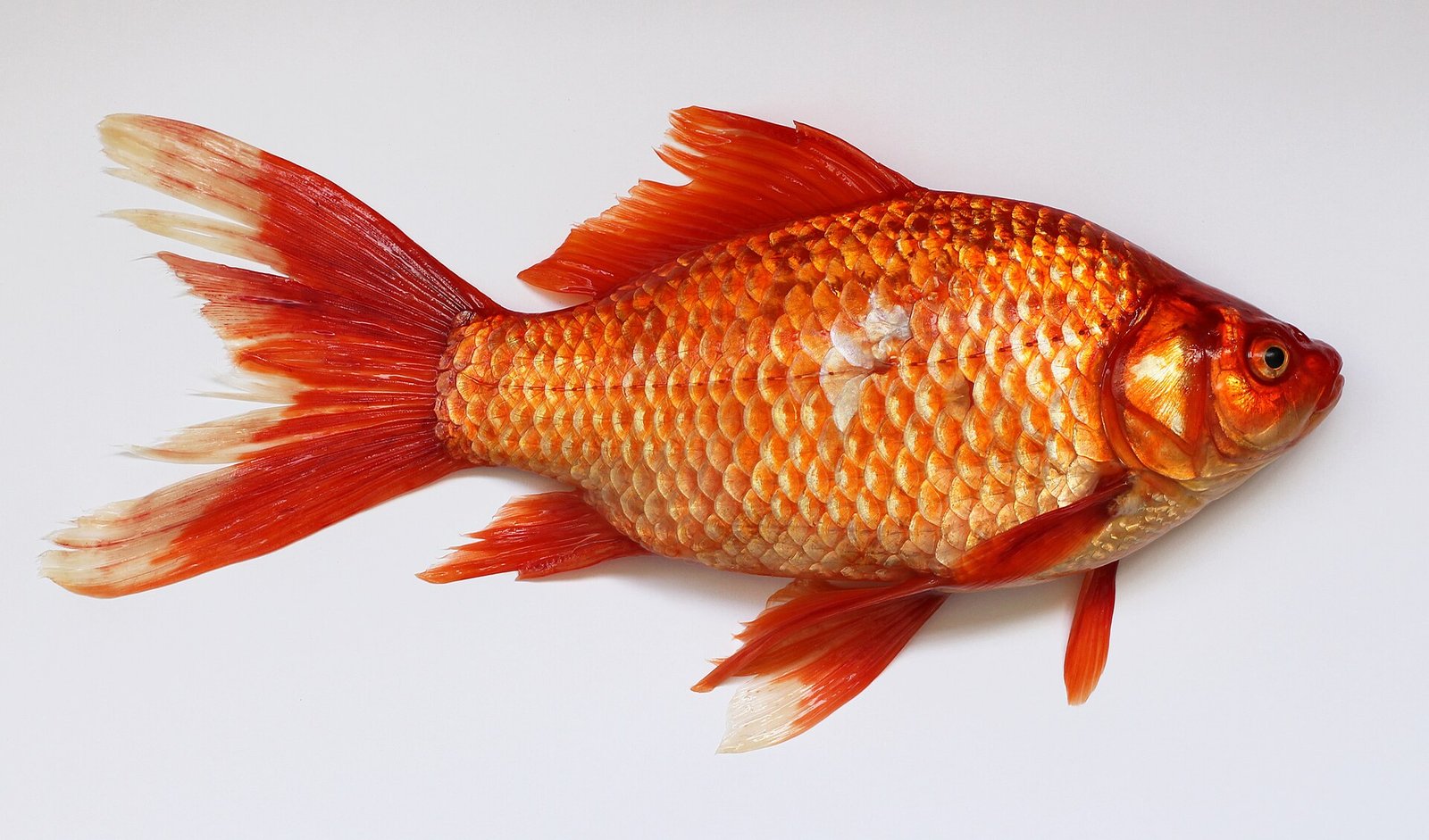
Goldfish (Carassius auratus) production for the ornamental trade operates at a dramatically different scale and price point than koi breeding, with most commercial goldfish farming oriented toward high-volume, relatively low-unit-price production of common varieties for the broad pet trade market, though specialized fancy goldfish varieties with distinctive body shapes and finnage, more closely resembling koi's high-value specialty breeding model, occupy a smaller premium niche within the broader goldfish market. High-volume commercial goldfish farming, concentrated significantly in parts of China and other established production regions, relies on efficient pond-based mass production with selection pressure focused on reliable, consistent color expression and basic body conformation for the common pet-trade varieties, a production approach closer in logic to conventional food-fish aquaculture's volume-and-consistency orientation than to koi breeding's individual-animal, aesthetic-judging-driven model. The broader ornamental fish trade encompassing goldfish and numerous other aquarium species involves distinct live-transport logistics optimized for small individual animals shipped in oxygenated bags within insulated containers, a different transport model from the bulk live-fish well-boat or tank-truck transport used for food-fish aquaculture, reflecting the fundamentally different scale and value-per-individual-animal economics of the ornamental trade. Disease and quarantine management in commercial goldfish and broader ornamental fish production carries particular biosecurity weight given the live international trade volume in small, individually lower-value animals moving between many different source farms and destination markets, a trade pattern that has been specifically associated with documented introduction pathways for several fish diseases moving between regions through the ornamental trade rather than through food-fish aquaculture or wild fishery channels.