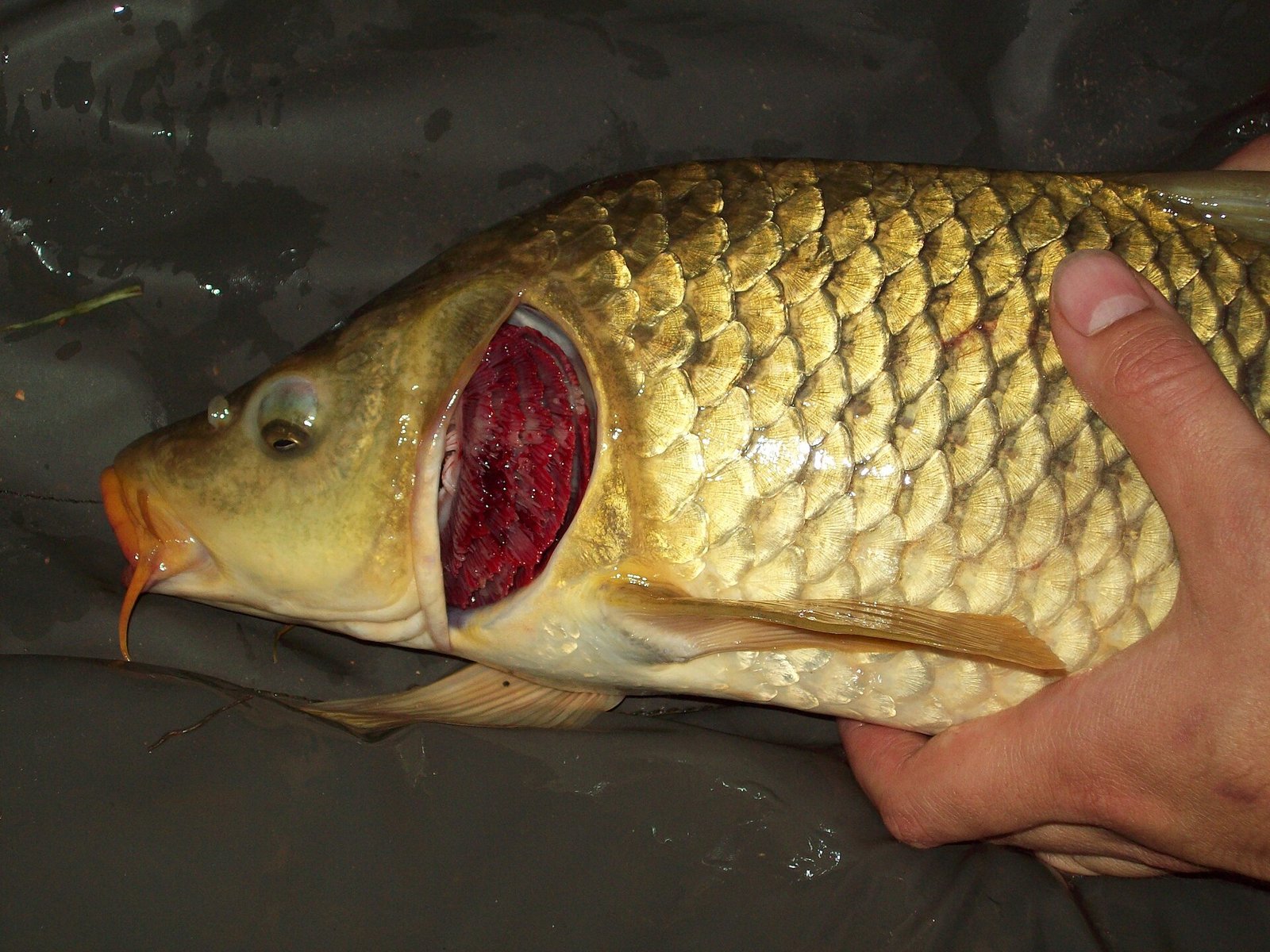
Histopathology Sampling (Farm Level)
Farm-level histopathology sampling is the collection, fixation, and submission of thin tissue sections, typically gill, liver, kidney, spleen, intestine, and heart, to a diagnostic laboratory for microscopic examination of cellular and tissue damage. Proper technique is decisive: tissues must be removed fresh, trimmed to no more than 5 mm thickness, and fixed within minutes in ten percent neutral buffered formalin at a fixative-to-tissue ratio of at least 10 to 1, because autolysis renders gill lamellae unreadable within an hour of death. The laboratory embeds, sections, and stains samples, usually with hematoxylin and eosin, then a pathologist scores lesions such as gill lamellar fusion, hepatic vacuolation from lipid or glycogen, renal tubular degeneration, and inflammatory cell infiltration that reveal chronic exposure rather than the acute events blood panels catch. Sampling design matters: choose moribund and apparently healthy fish from affected and unaffected tanks, record water quality and feeding history, and submit at least three to five fish per group. For the farmer, histopathology is the tool that answers what is chronically wrong with a repeatedly underperforming stock, links gill or liver lesions to specific water-quality or feed issues, and supplies the evidence regulators and certification auditors require for unexplained mortality investigations.