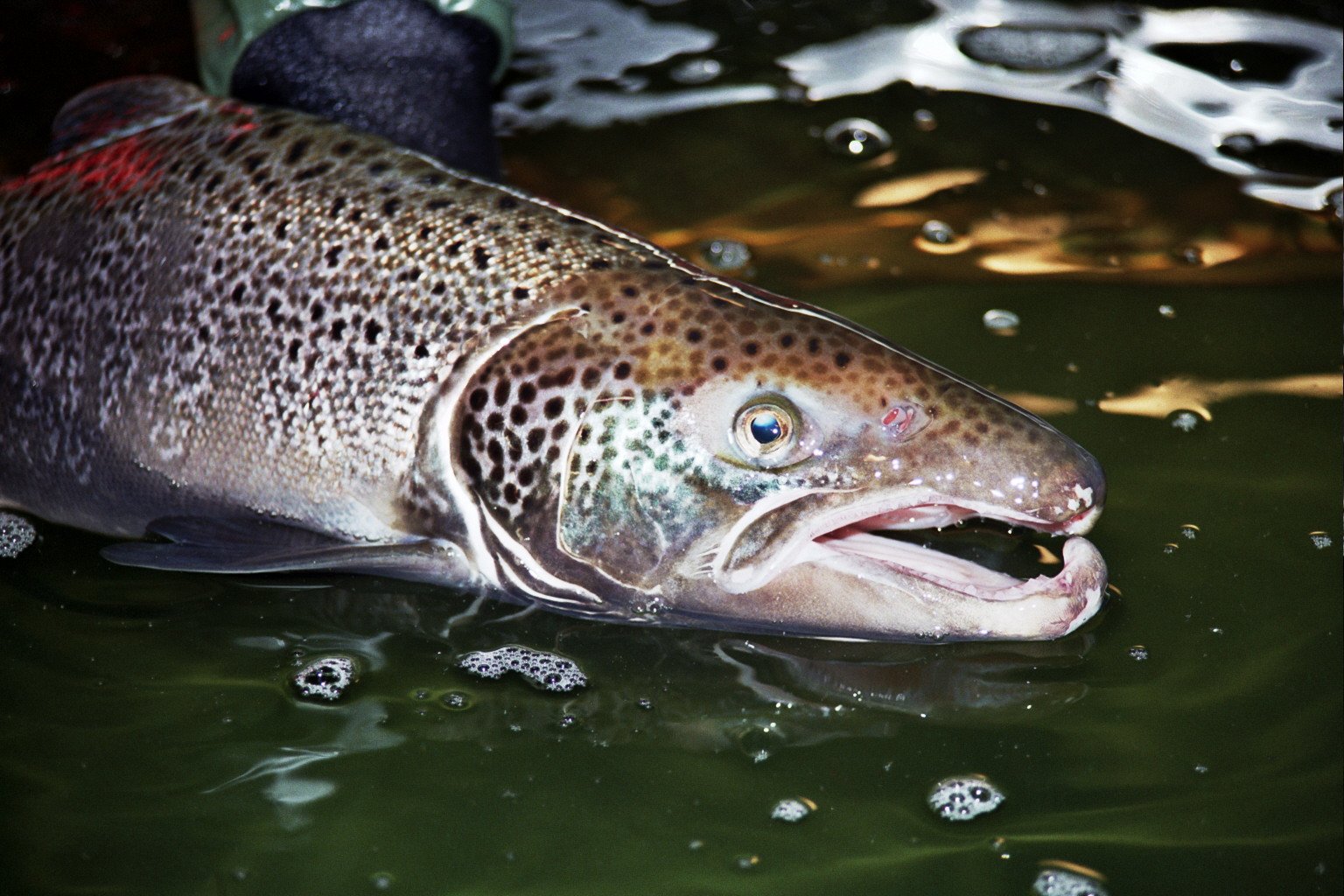
Infectious Salmon Anemia (ISA)
Infectious salmon anemia is a viral disease of farmed Atlantic salmon caused by the ISA virus, an orthomyxovirus of the genus Isavirus. It is expressed through severe anemia: pale gills, lethargic fish hanging near the surface, darkening of the caudal peduncle, and internally a swollen dark liver, hemorrhagic liver necrosis, and blood that clots poorly. Mortality is typically 15 to 30 percent but can approach total loss in naive populations, with clinical disease appearing mainly in seawater at 8 to 15°C. For the industry ISA is a listed, reportable disease in many jurisdictions; a confirmed case can trigger stamping-out, zone restrictions, and long fallowing periods, so its economic footprint far exceeds direct mortality. Transmission occurs horizontally through water, and wild salmonids may act as reservoirs. Control combines strict biosecurity and disinfected water supplies for freshwater facilities, vaccination at the smolt stage (partial protection), and early PCR-based screening of apparently healthy cages. Because no treatment exists, farm-level surveillance, controlled movements, and rapid depopulation of positive cages are the pillars of management; seawater production planning must budget for ISA risk zones.