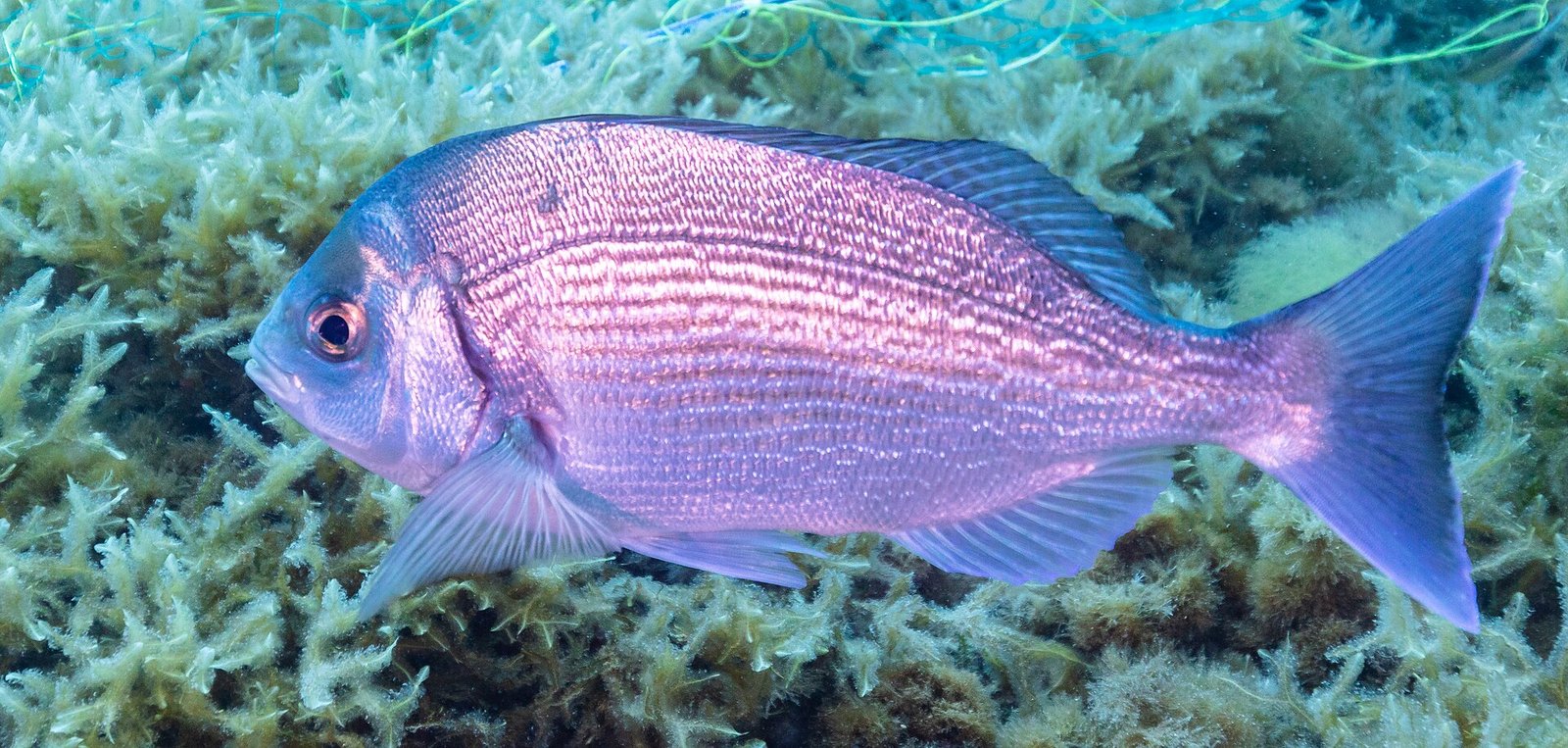
Isopod Parasites in Aquaculture
Parasitic isopods, crustaceans that attach to a host fish's body surface, mouth cavity, or gill chamber, cause direct tissue damage at the attachment site and, for species attaching in the mouth or gill region specifically, can interfere with normal feeding or respiratory function in ways that reduce growth performance even without causing outright mortality, a chronic sublethal production impact that can go underrecognized relative to more visibly dramatic acute disease events but that measurably affects feed conversion and growth uniformity across an affected population. Marine cage culture of several finfish species has documented isopod parasite problems as a recurring regional issue, with infestation pressure often linked to specific site and seasonal conditions favoring the parasite's own free-living larval stage survival and dispersal, meaning site selection and seasonal stocking timing can meaningfully influence a farm's isopod exposure risk similar to the site-dependent risk patterns relevant to several other ectoparasite problems discussed in this cluster. Treatment options for parasitic isopods are generally more limited than for smaller ectoparasites like sea lice or monogenean flukes, since the isopod's larger body size and firmer attachment can make it less susceptible to standard bath treatment concentrations calibrated primarily against smaller parasite targets, sometimes requiring mechanical removal during routine handling or grading as a practical complement to or substitute for purely chemical treatment approaches. Species identification matters for isopod parasite management since the broader isopod group includes both genuinely parasitic species causing the direct harm described here and free-living, non-parasitic isopod species that might be observed in or around a farm system without representing any actual threat to farmed stock, meaning accurate taxonomic identification before committing to a parasite-control response avoids misdirected treatment effort against a non-parasitic species mistakenly presumed to be the actual problem.