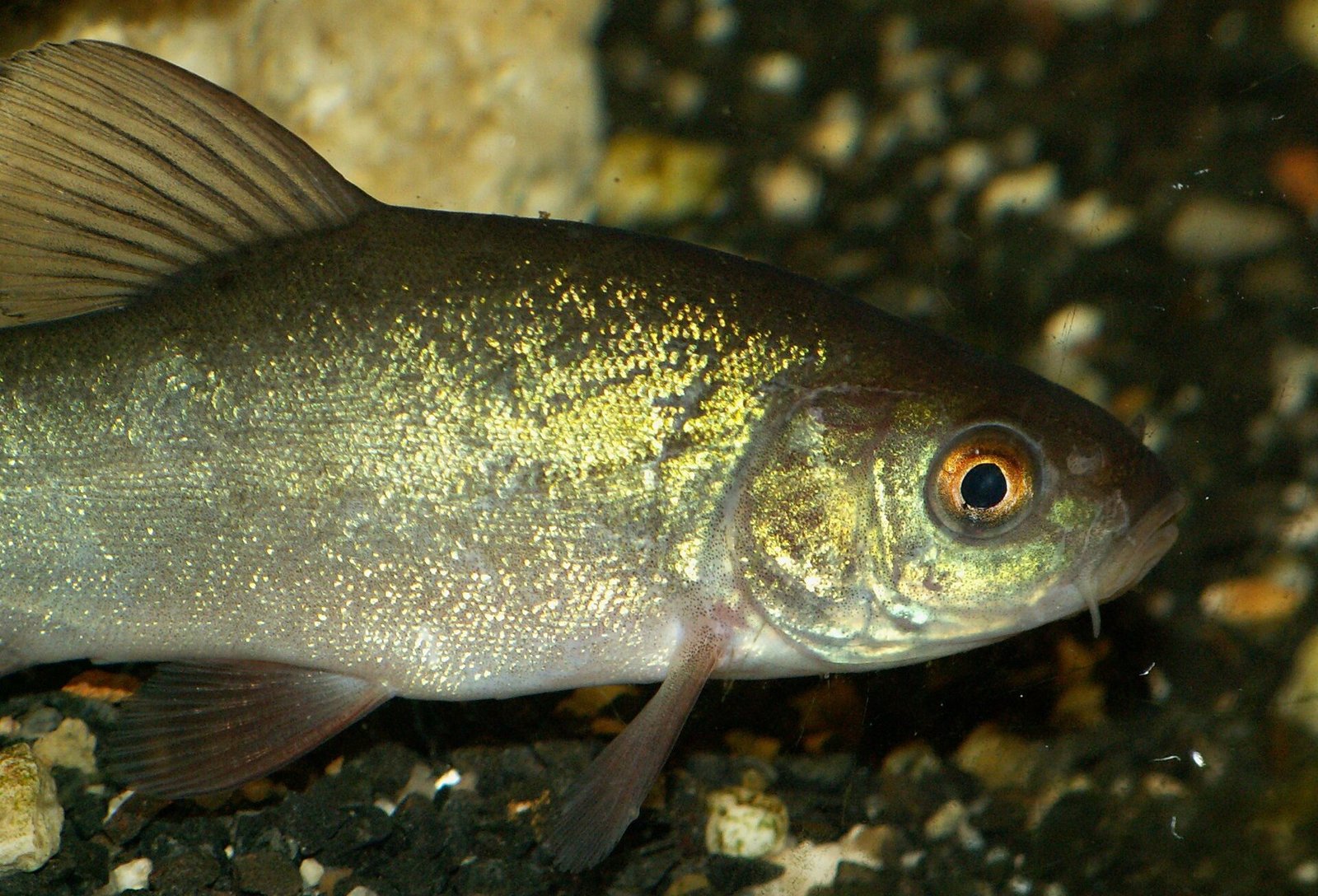
Larval Density and Tank Loading
Larval density, expressed as larvae per liter or per square meter of tank surface, and tank loading, the total biomass the rearing unit must support, are the primary stocking decisions in a hatchery. Typical starting densities range from 20-100 larvae per L for robust marine species such as seabass and seabream, 5-20 per L for delicate coldwater species such as halibut and cod, and up to several hundred per L for small warmwater fish. Higher density spreads fixed costs and live feed infrastructure over more fish but intensifies competition, increases size variation, elevates dissolved metabolites, and raises the probability that one failure event kills the whole batch. The binding constraint is usually not space but oxygen and waste flux: a larval tank loading must keep ammonia below roughly 0.1 mg/L and dissolved oxygen above 6 mg/L around the clock, which determines the maximum feed input per unit volume. Standard practice is to split a cohort across several tanks (reducing all-or-nothing risk), to thin populations as larvae grow, and to match density to the live feed production capacity, since underfeeding a dense tank triggers cannibalism. Density effects interact with every other variable - light, flow, feed timing - so a density decision is effectively a whole-system design decision.