RAS Commissioning Procedures
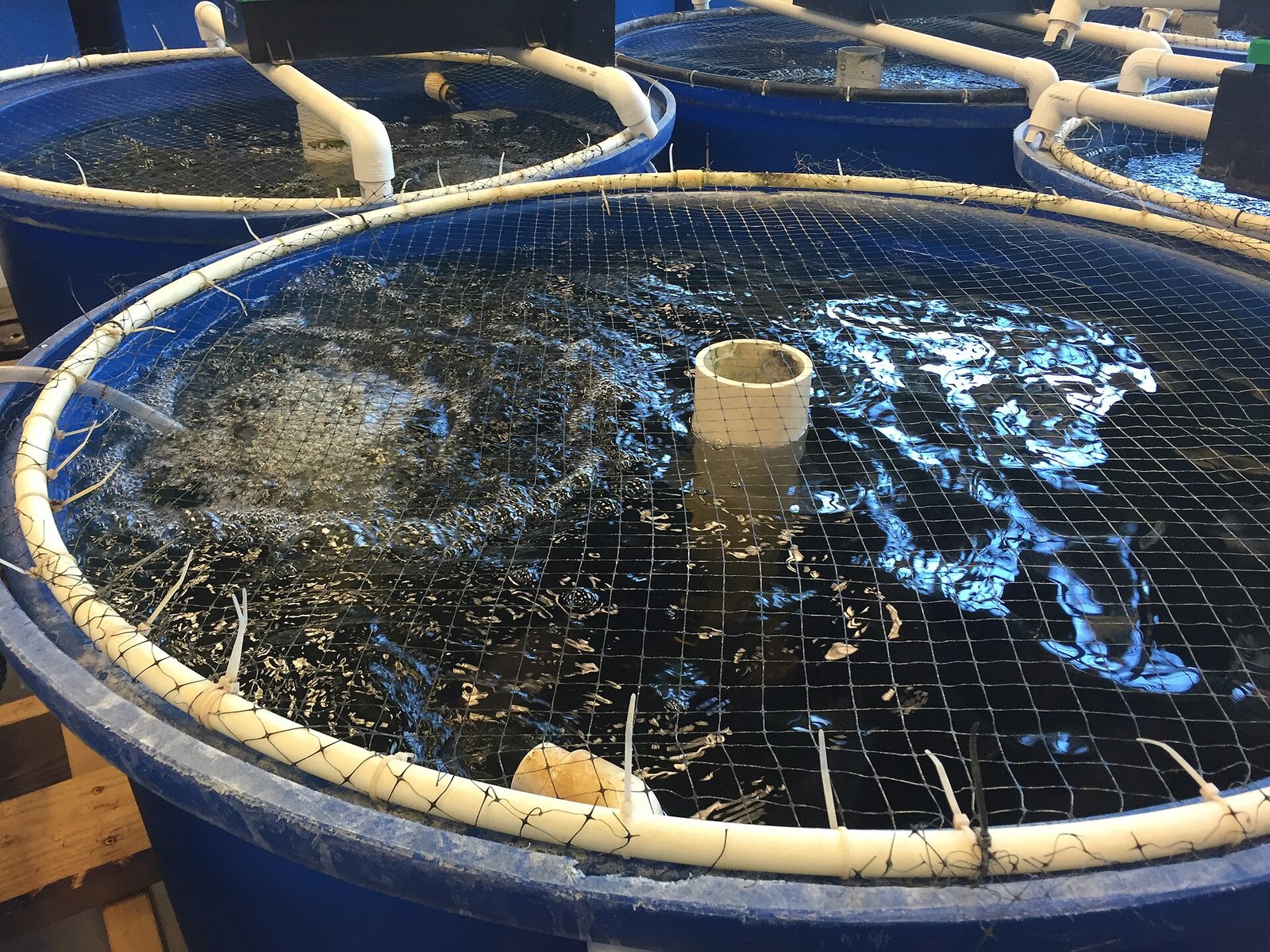
RAS commissioning is the structured testing and verification process a newly constructed or significantly modified facility undergoes before actual fish or shrimp are introduced, confirming that every major system, pumps, filtration, aeration and oxygenation, alarm and control systems, actually performs to its design specification under real operating conditions rather than only on paper or in isolated component-level factory testing, catching installation errors, undersized components, or system integration problems while the consequence of a discovered flaw is simply delayed stocking rather than a crisis affecting already-stocked, valuable living animals. A commissioning sequence typically runs the full system with water but no animals present for an extended period, verifying stable flow rates and pressure throughout the system, confirming biofilter nitrification capability through the standard maturation process discussed elsewhere in this glossary, and specifically testing alarm and backup system function by deliberately simulating failure scenarios, triggering a power interruption to confirm backup generator and battery systems engage correctly, rather than only confirming these critical safety systems exist without ever actually testing whether they function correctly when genuinely needed. Water quality stability testing across a commissioning period, monitoring parameters over days to weeks without animals present, establishes a system's actual baseline performance and reveals any unexpected parameter drift or instability before that instability has any opportunity to affect a stocked population, giving operators a clean, animal-free testing window to identify and correct problems that would be considerably more consequential and harder to isolate and fix if first discovered only after stocking has already occurred. Commissioning documentation, a formal record of every test performed and its result, serves multiple ongoing purposes beyond the immediate pre-stocking verification itself, providing a baseline performance reference for future troubleshooting comparison, supporting warranty claims if equipment underperforms its specification, and in some cases supporting insurance underwriting or certification audit documentation requiring evidence that a facility's critical systems were properly verified before entering commercial operation rather than simply assumed functional based on installation completion alone.