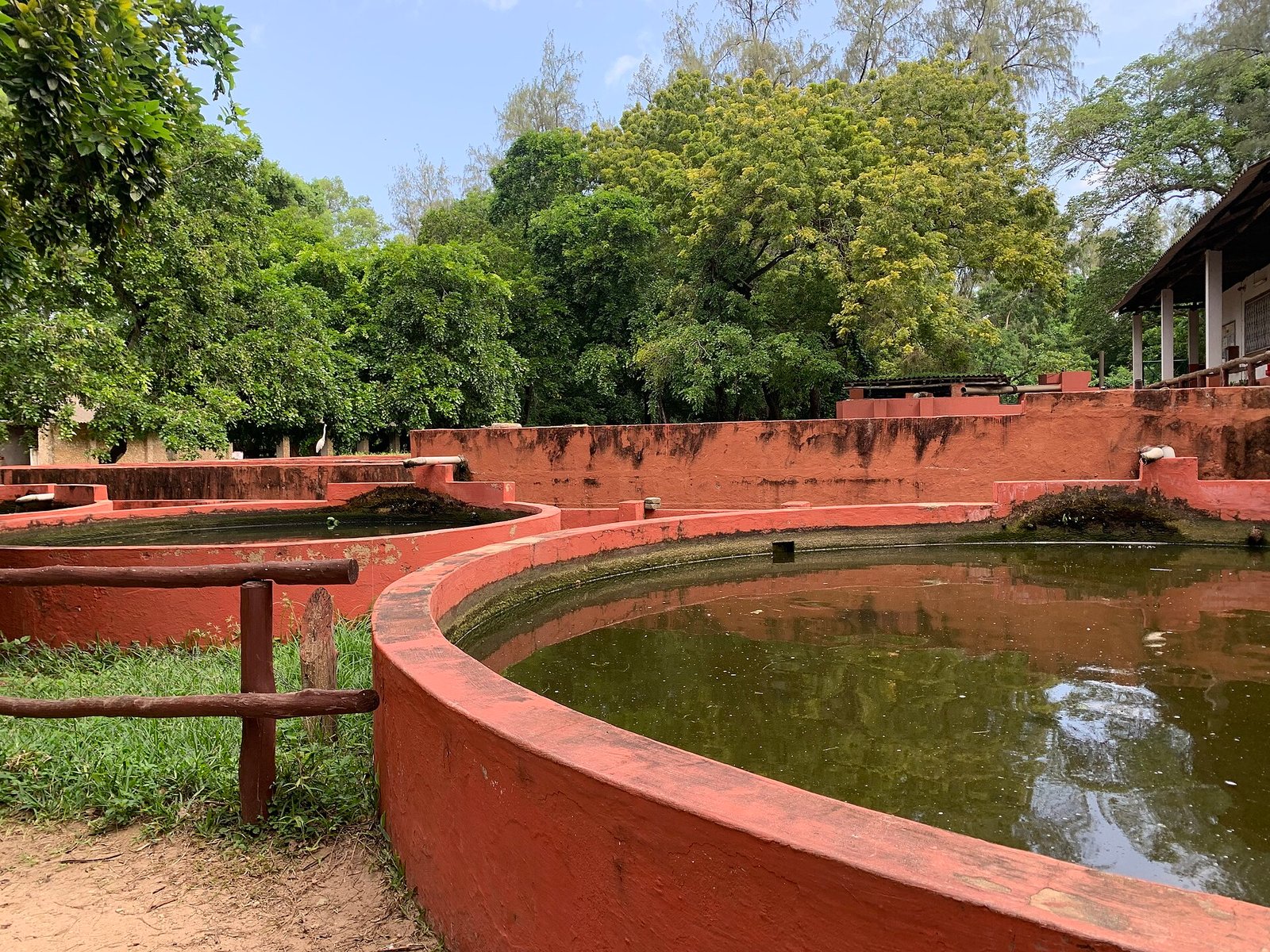
Water Exchange Strategy
A water exchange strategy defines when, how much, and what quality of new water a pond receives during a culture cycle, typically expressed as percentage of pond volume per day or per week. Daily exchanges range from near zero in lined, well-managed semi-intensive ponds to 5-30% in shrimp grow-out and up to several full volumes per day in flow-through or intensive systems. Water is exchanged to dilute ammonia, nitrite, suspended solids, and pathogens, to replenish alkalinity and dissolved minerals, and to stimulate molting and growth in shrimp. However, uncontrolled exchange carries risks: wild pathogens and predators enter with inlet water, and discharged effluent loads receiving waterways with nitrogen and phosphorus, triggering permit issues and neighbor conflicts. Modern strategies therefore combine limited exchange with internal controls (probiotics, aeration, sludge removal) and only exchange when water quality thresholds are breached. Timing matters: exchanging at dawn, when dissolved oxygen is lowest, can shock the pond with low-oxygen water; good practice is to exchange during mid-morning after the bloom has started producing oxygen, ideally with screened, settled, or treated inlet water. A documented exchange log, tied to daily water tests, turns an ad-hoc practice into a defensible, cost-efficient farm standard.