




















Aquaponics System Startup: Cycling Fish and Plant Beds Together
Aquaponics cycling has to establish a nitrifying bacterial community the same way RAS does, but with a second constraint RAS never faces — the plant beds need the system's nutrient output to actually be ready to receive it when fish are introduced.
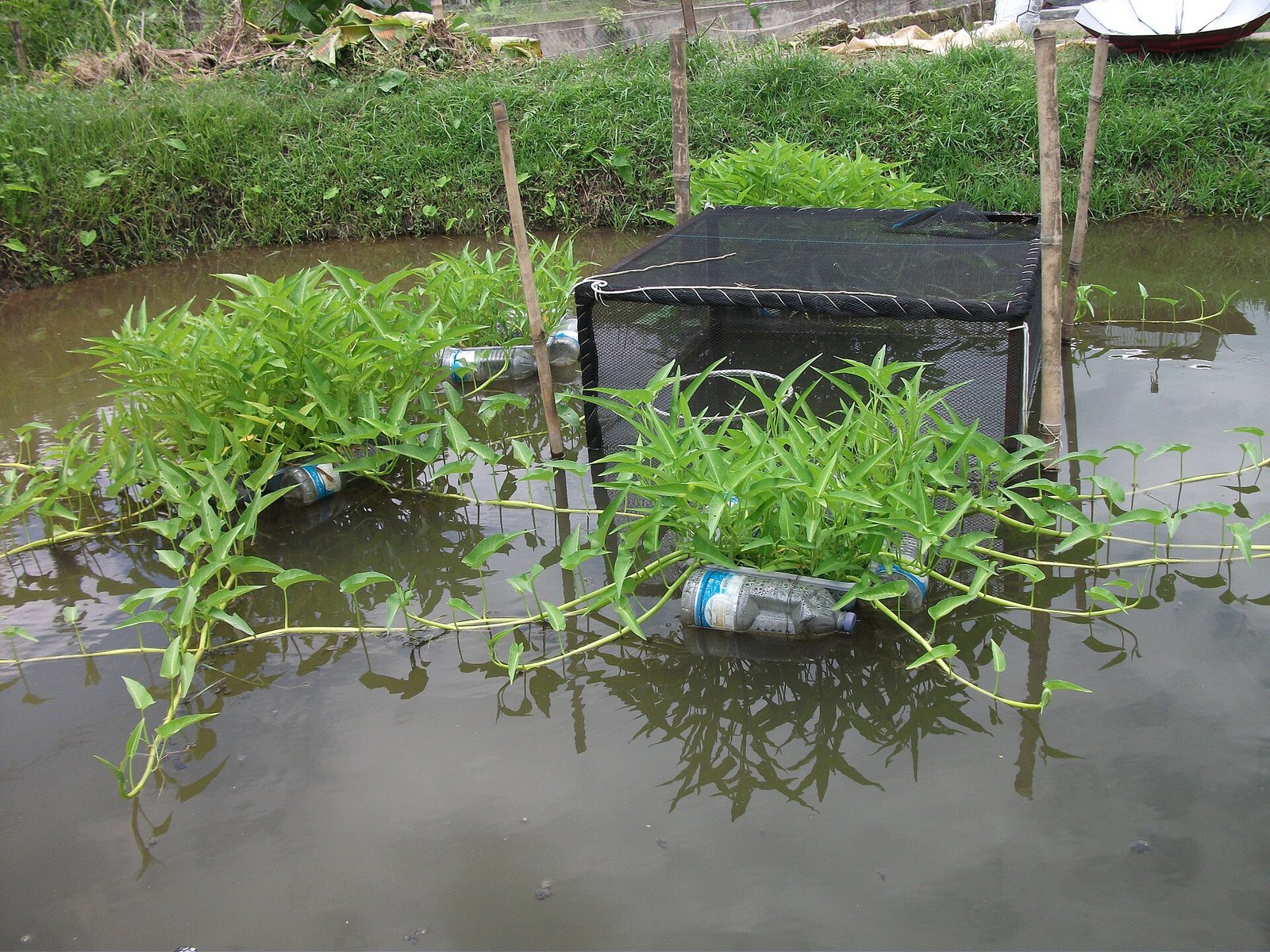
Aquaponics startup has to establish a nitrifying bacterial community following essentially the same cycling principle covered in the RAS biofilter cycling guide, but with a second constraint RAS systems never face — the plant grow beds need the system's nutrient output to actually be developed enough to support healthy plant growth by the time fish and plants are both introduced, making aquaponics startup a two-part coordination problem rather than a single biofilter-cycling task.
The nitrogen cycle foundation
Aquaponics relies on the same fundamental nitrification process as RAS — ammonia from fish waste converted through nitrite to nitrate by an established bacterial community — but in aquaponics, that nitrate becomes the primary nutrient input supporting plant growth rather than simply a less-toxic waste product to be diluted or removed. This dual function means the cycling process needs to run long enough not just to control ammonia and nitrite safely, but to establish a nitrate production level actually adequate to support meaningful plant growth.
Fishless cycling for aquaponics
Fishless cycling, following the same principle covered in the RAS startup guide, is generally the preferred approach for new aquaponics systems — dosing ammonia directly to drive bacterial establishment without risking fish to the developing system's initial ammonia and nitrite spikes, while giving the system time to also begin generating the nitrate level plants will eventually depend on.
Preparing the grow beds in parallel
While the water-side nitrogen cycle is establishing, prepare the physical grow bed infrastructure — media bed, raft, or whichever specific aquaponics configuration the system uses — ensuring the growing medium and plant-support infrastructure are ready to receive plants once water nutrient levels reach an adequate level, rather than treating grow-bed preparation as an afterthought addressed only once cycling is already complete.
Introducing plants before or after fish
Many aquaponics systems introduce hardy, less nutrient-demanding plants during the later stages of cycling, even before fish are introduced, since the developing nitrate levels can support some plant growth before the system has reached full fish-stocking readiness — this staged introduction, rather than waiting for complete system maturity before any plant growth begins, can make more productive use of the cycling period's nitrate output.
Confirming readiness for full stocking
Following the same confirmed-stability principle covered in the RAS startup guide, confirm ammonia and nitrite both read near zero consistently under a representative test load before committing to full fish stocking — in the aquaponics context, also confirm nitrate levels have reached a range adequate to support the planned plant density, following the ratio principles covered in the companion stocking density guide.
Gradual ramp-up after startup
Once startup criteria are confirmed, introduce fish and plants gradually rather than immediately committing to full target density on both sides of the system simultaneously — this staged approach protects against the compounded risk of both fish stocking and full plant-bed nutrient demand being introduced to a system whose demonstrated capacity was only confirmed at a lighter test load.
Worked example
A new small-scale aquaponics operator runs fishless cycling and confirms ammonia and nitrite have reached stable near-zero readings, but introduces full fish stocking and a fully planted grow bed simultaneously, eager to begin production. Within the first two weeks, plants show clear nitrogen deficiency symptoms despite the water-side cycling having tested as successful. Reviewing the situation, the operator realizes nitrate level itself, not just ammonia/nitrite safety, had never been specifically confirmed adequate for the full planned plant density before committing to it. The operator thins the plant bed back to a lower initial density matched to the system's actual current nitrate output, then gradually increases plant density over the following weeks as fish biomass and resulting nitrate production grow — a correction that would have been unnecessary had nitrate adequacy been confirmed as its own explicit startup criterion from the start.
Common mistakes
- Treating aquaponics cycling as identical to RAS cycling without accounting for the additional nitrate-production-adequacy requirement plants introduce.
- Preparing grow-bed infrastructure only after water-side cycling is already complete rather than in parallel.
- Introducing fish and full plant density simultaneously at full target levels rather than ramping up gradually after startup confirmation.
- Not confirming nitrate levels specifically are adequate for planned plant density, focusing only on ammonia and nitrite safety.
Frequently asked questions
How long does aquaponics system startup typically take compared to standard RAS cycling?
Aquaponics startup often takes somewhat longer than equivalent RAS cycling, given the additional nitrate-adequacy requirement beyond simple ammonia/nitrite safety — track actual system performance against both criteria rather than assuming RAS-equivalent timing applies directly.
Can aquaponics systems be seeded to accelerate startup, similar to RAS seeding?
Yes — seeding with established media or water from a mature aquaponics or RAS system can meaningfully accelerate the nitrification establishment, following the same seeding principle covered in the RAS startup guide, with the same biosecurity considerations about cross-system material transfer applying equally here.
What plants are suitable for introduction during the cycling period before fish are added?
Hardy, relatively low-nutrient-demand plants tend to tolerate the developing, still-maturing nutrient conditions during cycling better than nutrient-demanding species — confirm species-specific suitability following the broader species selection guidance covered in the companion aquaponics species guide rather than assuming all plant types tolerate pre-full-maturity conditions equally.
Does water temperature affect aquaponics cycling speed the same way it affects RAS cycling?
Yes — nitrifying bacteria activity is similarly temperature-dependent in aquaponics as in RAS, affecting cycling speed in the same general pattern, while plant growth itself also has its own temperature sensitivity that should be considered alongside the bacterial cycling timeline when planning overall system startup timing.
What's the risk of introducing fish before plants are established, or vice versa?
Introducing fish well before plants are established can allow nitrate to accumulate beyond what the eventual plant load will consume, requiring either water exchange or delayed full fish stocking to manage the imbalance — introducing plants well before fish are established simply means slower initial plant growth given limited nutrient availability, a lower-risk imbalance than the reverse scenario but still worth planning around deliberately rather than leaving to chance.
Related reading
- Daily Aquaponics Operating Checklist: Fish, Biofilter and Grow Bed Balance
- Aquaponics Troubleshooting: pH Drift, Clogged Beds and Root Rot
- How to Balance Fish Stocking Density Against Plant Grow-Bed Area
- Nutrient Deficiency Diagnosis in Aquaponic Plants: A Visual Field Guide
- RAS Startup and Maturation: Cycling a New Biofilter Safely
- Choosing Fish and Plant Species Combinations for Aquaponics