




















FCRSOFT
What Are Demurrage and Detention?
The difference between container demurrage and detention, free time, tiered daily rates and ways to reduce delay costs.
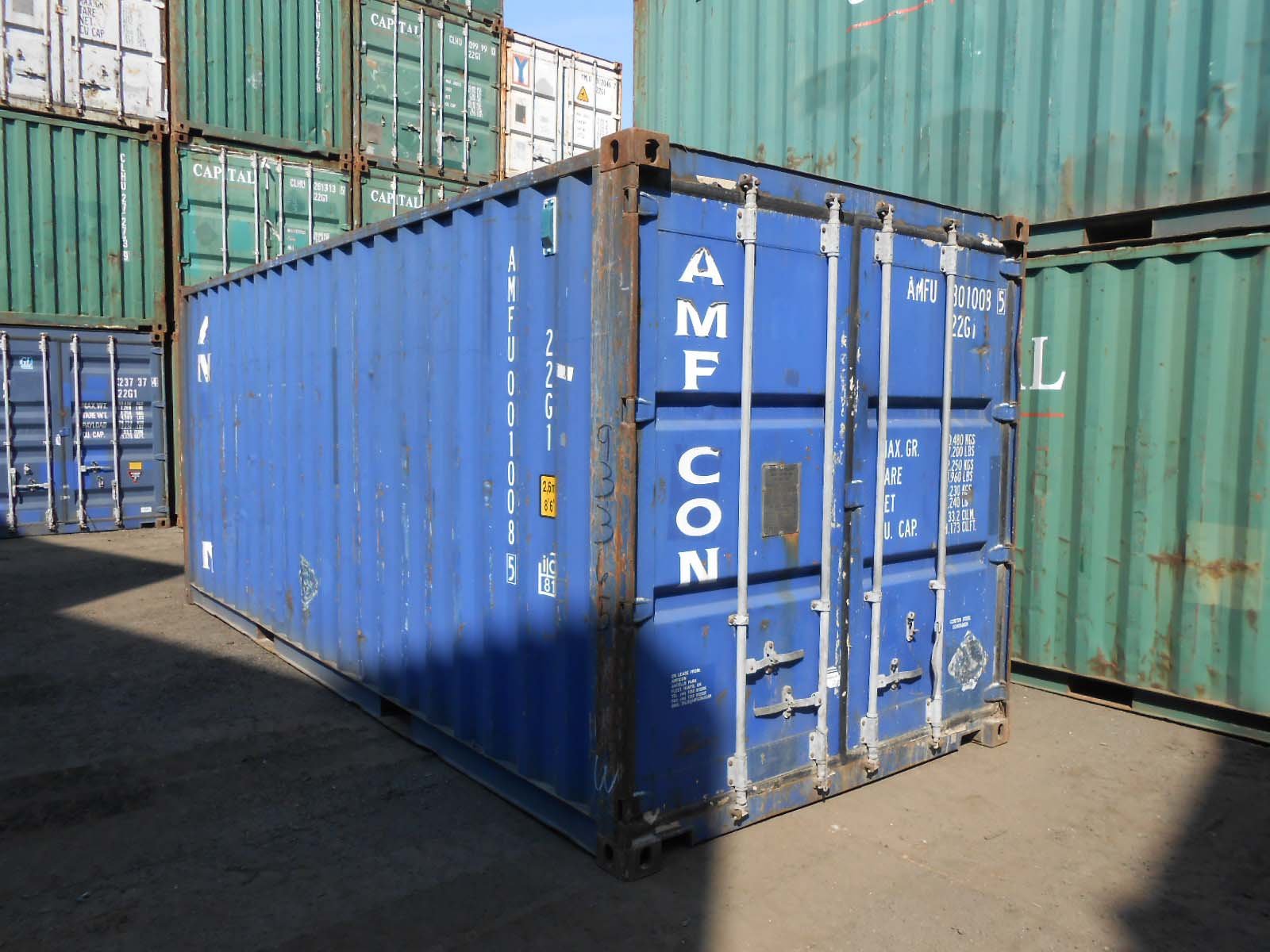
Demurrage is charged when a full container stays in the terminal beyond free time; detention when the container is kept outside the terminal beyond free time. Together, a single delay can approach the freight amount.
Where is the difference?
- Demurrage: the container is in the terminal (from discharge to pick-up). Charged by the terminal and the line.
- Detention: the container is outside the terminal (from full gate-out to empty return). Paid to the container owner.
- Some lines grant both as a single combined free time.
Tiered charges
Charge = Tier 1 days × Tier 1 rate + Tier 2 days × Tier 2 rate + Remaining days × Last tier rate
Rates are usually low in the first days, then double or triple. Even a few days’ delay therefore costs more than expected.
Free tool: Demurrage Tier Calculator
Track the last free day
Free time usually starts on the discharge day. Knowing each container’s last free day and empty return date in advance, and planning customs and delivery around them, is the most effective measure.
Free tool: Free Time Date Calculator
Ways to reduce the cost
- Negotiate extended free time at booking.
- Prepare customs documents before the vessel arrives.
- Confirm warehouse and truck plans before pulling the container.
- Schedule the empty return as soon as unloading is finished.
A worked example
An importer receives a 40ft container with 5 free days for demurrage and 5 free days for detention. Terminal demurrage is charged at 60 USD per day for days 6–10 and 120 USD per day thereafter; detention at 50 USD per day for days 6–10 and 100 USD per day thereafter. Customs clearance takes longer than planned, and the container leaves the terminal on day 12. Unloading at the warehouse takes 2 days, and the empty is returned 9 days after gate-out.
- Demurrage: 5 days × 60 + 2 days × 120 = 540 USD
- Detention: 5 free days, then 4 days × 50 = 200 USD
A two-day delay in customs turned into 740 USD for one container. On a shipment of ten containers, the same delay costs over 7,000 USD, which can exceed the margin on the goods.
Combined, separate and merged free time
Lines and terminals structure free time differently. Some grant separate demurrage and detention periods; others grant a single combined period, sometimes called merged free time, that runs from discharge until the empty is returned. A combined period of 14 days may be more useful than 7 + 7 for an importer whose customs process is fast but whose warehouse is slow, and less useful for the opposite case. Always check the exact wording in the line’s tariff and in any negotiated agreement, because the definitions of when the clock starts and stops vary.
Reefer and special equipment
Refrigerated, open-top and flat-rack containers are in shorter supply and usually carry higher daily rates and shorter free time than dry containers. For reefers, the terminal may also charge for electricity and monitoring while the container is plugged in. Importers of frozen seafood should therefore plan clearance and delivery even more tightly than for dry cargo.
Disputes and regulation
Charges are generally owed even when the delay was not the importer’s fault, unless the contract or local rules say otherwise. Some jurisdictions have introduced rules on how carriers may bill these charges; for example, in the United States the Ocean Shipping Reform Act of 2022 set requirements for detention and demurrage invoices. Keep evidence of terminal congestion, appointment unavailability or carrier errors, because they can support a waiver request.
Building it into landed cost
For regular importers, the expected demurrage and detention per container, based on past shipments, belongs in the landed cost calculation. Tracking these charges per supplier, port and forwarder shows where delays repeatedly occur and which process to fix first.
A pre-arrival checklist
- Confirm the vessel’s arrival date and the container’s last free day as soon as the bill of lading is issued.
- Send commercial invoice, packing list, certificates and import permits to the customs broker before the vessel arrives.
- Book the terminal appointment and the truck for the first possible day after release.
- Confirm the warehouse can unload on the day of delivery, including labour and equipment.
- Arrange the empty return depot and date before the container leaves the terminal.
Importers that follow these steps for every shipment usually reduce these charges to occasional exceptions rather than a regular cost.
Frequently asked questions
Who is responsible for demurrage?
Usually the party obliged to take delivery of the container, in most cases the buyer or importer; the sales contract and Incoterm decide.