
















How to Set Up a Small-Scale Fish Hatchery: Equipment, Layout and Water Supply
A small hatchery succeeds or struggles based on decisions made before the first egg arrives — water supply reliability, layout flow, and equipment sizing matched to realistic early-stage production, not aspirational future scale.
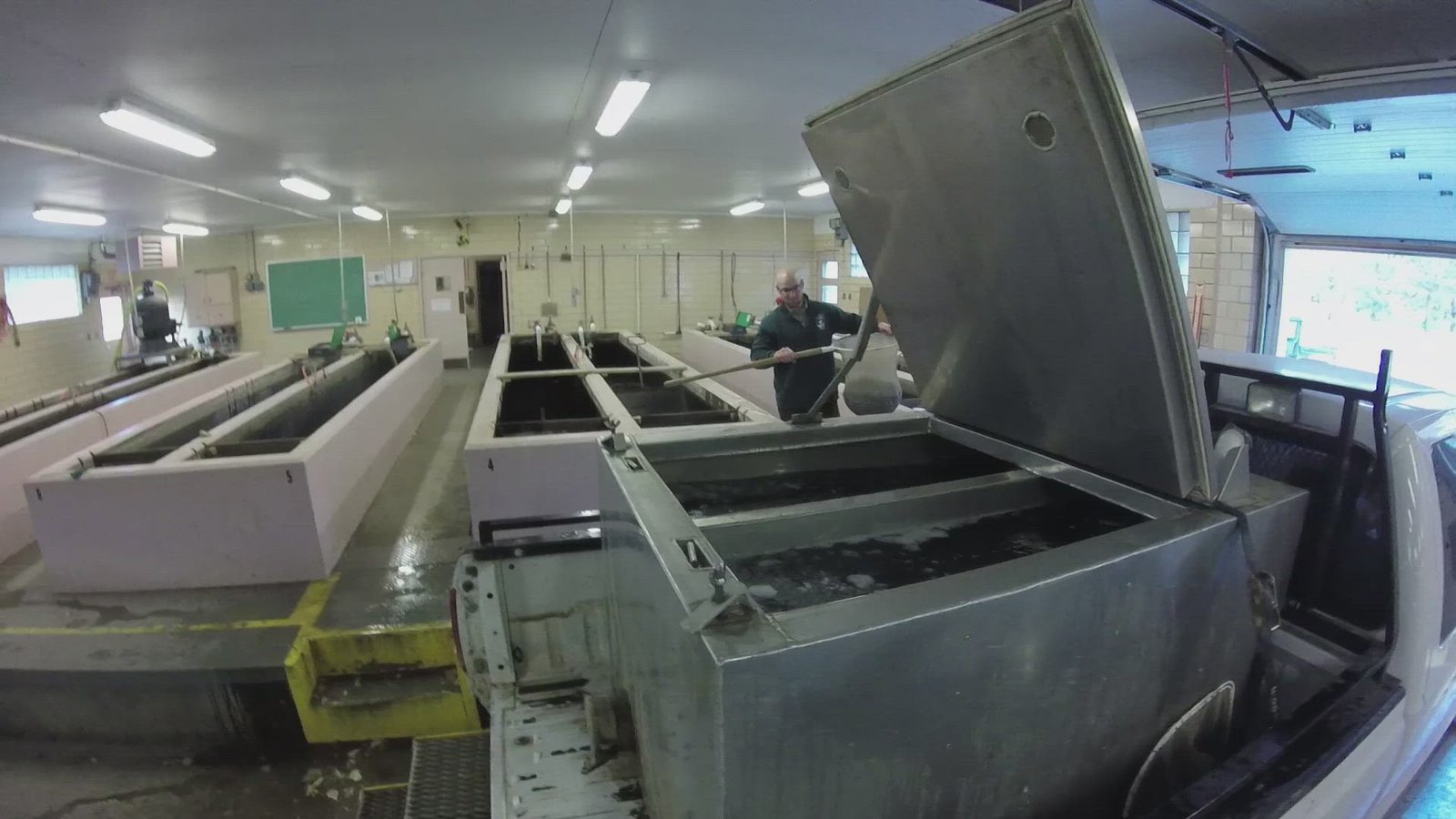
Water supply reliability is the single factor that most determines whether a small hatchery succeeds, and it is also the factor most often under-planned relative to equipment and tank purchases that are easier to budget and more exciting to plan around.
Water supply: the foundation decision
- Source reliability — a hatchery depending on a single water source with no backup is one pump failure or source interruption away from a catastrophic loss during the most vulnerable life stages; plan for a backup source or at minimum backup pumping capacity from day one, not as a later upgrade.
- Water quality baseline — test the intended source water thoroughly before committing hatchery design around it, since correcting a poor-quality source after a facility is built around assuming it was adequate is considerably more expensive than designing treatment capacity in from the start.
- Flow capacity for planned scale, with margin — undersizing water supply relative to even modest planned production is one of the more common and costly small-hatchery planning mistakes, since retrofitting supply capacity into an operating facility is disruptive and expensive compared to planning adequate capacity initially.
Equipment sizing for realistic early-stage production
Resist the temptation to size equipment for an aspirational future production scale rather than the realistic volume the operation will actually handle in its first one to two years — oversized equipment purchased early often sits underutilized while tying up capital that would have been better spent on redundancy, water-quality monitoring equipment, or working capital for the actual early-stage operation. Core equipment for a small hatchery typically includes:
- Incubation vessels sized and configured for the target species' egg handling method.
- Larval rearing tanks with appropriate volume and depth for the target species' first-feeding and early rearing requirements.
- Water treatment and monitoring equipment — filtration, aeration, and basic water-quality testing capability matched to the facility's actual scale.
- Live feed culture capacity where the production plan includes live-feed-dependent species, sized to the planned larval production volume with some buffer capacity.
Layout for clean/dirty flow
Design the physical layout around the clean/dirty flow zoning principle from the start, even at small scale — retrofitting proper zoning into a facility laid out without this consideration is far harder than designing for it initially. Position the most biosecurity-sensitive areas (egg incubation, first-feeding larval tanks) at the physical point most protected from general traffic flow, with broodstock holding and general work areas positioned accordingly along the flow sequence.
Sequencing the build-out
- Secure and test water supply before any other infrastructure commitment, confirming both quality and reliable flow capacity.
- Install core production infrastructure (incubation, larval rearing) sized to realistic early-stage volume.
- Build in basic biosecurity zoning from the initial layout, not as an afterthought.
- Add monitoring and backup systems (water-quality testing capability, backup power, backup water supply) before committing to full operational scale, since these systems protect the investment made in the production infrastructure itself.
- Plan expansion capacity into the site layout even if not building it immediately, avoiding a situation where early success creates demand the physical site cannot accommodate without a disruptive, costly reconfiguration.
Common early-stage mistakes to plan around
- Underestimating live feed culture space and labor needs relative to the planned larval production volume, a common gap between paper planning and operational reality.
- Inadequate backup power for water circulation and aeration, risking catastrophic loss during even a brief power interruption at the wrong moment in the production cycle.
- Insufficient water-quality monitoring capability for the scale of operation, leading to problems detected too late rather than caught early through routine testing.
Worked example
A new operator planning a small tilapia hatchery initially budgets primarily for tank and incubation equipment, with water supply treated as a given since the site has a functioning well. A pre-commitment water test reveals the well's baseline dissolved oxygen and mineral content would need treatment before reliably supporting larval rearing — a finding that reshapes the budget to include filtration and aeration capacity before any tank purchases are finalized. Though this delays groundbreaking by several weeks, it avoids what several similarly-scaled operations in the same region report as their most common and costly early mistake: discovering a water-quality mismatch only after fish are already in the system and the facility is already built around the unsuitable assumption.
Common mistakes
- Sizing equipment for an aspirational future scale rather than realistic early-stage production volume.
- Committing to a water source without thorough quality testing and capacity verification beforehand.
- Laying out the facility without considering clean/dirty flow zoning from the start.
- Underbudgeting for backup power and water supply redundancy relative to the catastrophic cost of a failure during a vulnerable life stage.
Frequently asked questions
How much should a small hatchery budget for backup power specifically?
Enough to maintain critical water circulation, aeration and temperature control for the facility's most sensitive life stages through a realistic worst-case outage duration for the local power grid — this is a cost worth treating as essential infrastructure rather than an optional upgrade, given how quickly conditions can deteriorate for larvae without continuous water movement and oxygen supply.
Is it better to start with one species or plan multi-species capability from the outset?
Starting focused on a single species, with facility design that could accommodate expansion later, generally reduces early-stage complexity and lets the operation build genuine expertise before adding the additional management complexity multi-species production introduces.
What's a reasonable timeline from site selection to first production cycle?
This varies considerably by facility scale and regulatory requirements, but realistic planning should allow for water-source testing and permitting, construction or retrofit time, and equipment commissioning before the first production cycle — rushing this timeline to hit an arbitrary launch date is a common source of early operational problems that proper sequencing would have avoided.
Should a small hatchery plan for its own live feed culture, or purchase live feed externally?
This depends on local supplier availability and the cost-reliability tradeoff — purchasing live feed externally reduces the facility's own equipment and labor burden but introduces supply-reliability risk at the most critical production stage; evaluate based on what reliable local supply options actually exist rather than defaulting to one approach without checking.
How should a small hatchery plan for regulatory and permitting requirements?
Research and begin any required permitting process early, in parallel with facility planning rather than after construction, since permitting timelines in many jurisdictions can be a significant and sometimes unpredictable factor in the overall project timeline.
Related reading
- Hatchery and Farm Zoning: Clean/Dirty Flow Design for Small Operations
- Diagnosing and Recovering a Crashed Live Feed Culture
- Live Feed Enrichment Protocols: Boosting HUFA Content Before Feeding
- First Feeding of Larvae: Timing, Live Feed and Weaning Protocols
- Larval Rearing Tank Design for Marine Fish
- Egg Incubation SOP: Hatching Trays, Water Flow and Dead Egg Removal