




















Tropical Fish and Shrimp Farm Calendar: Managing Monsoon and Dry Seasons
A tropical farm's calendar is shaped by rainfall, not temperature — the monsoon-to-dry-season rhythm that governs stocking timing, water management and disease risk very differently than a temperate farm's year does.
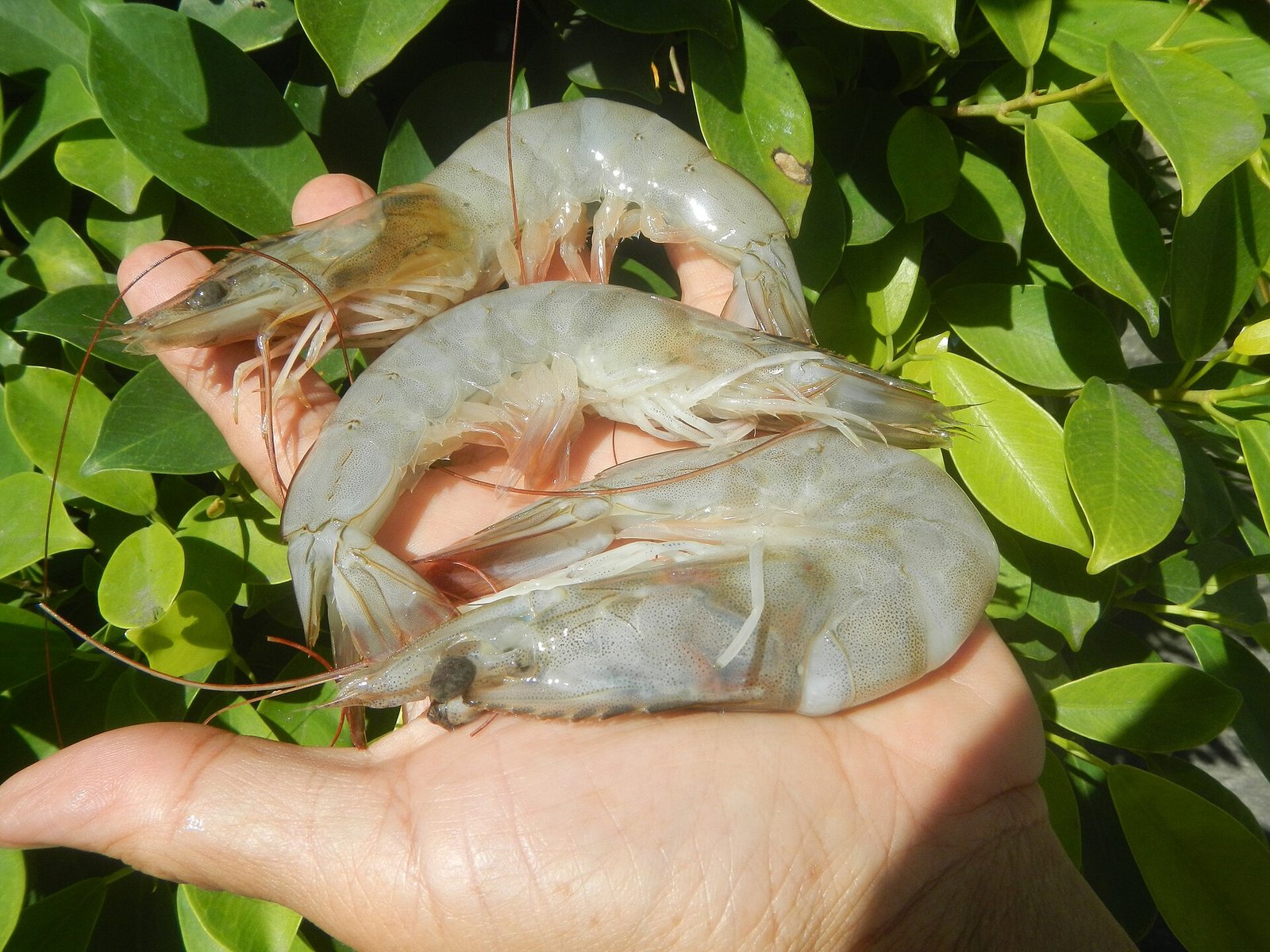
A tropical farm's calendar is shaped primarily by rainfall patterns rather than temperature — unlike temperate farms where seasonal temperature swings drive the calendar, tropical water temperature often stays within a workable range year-round, making the monsoon-to-dry-season rainfall cycle the dominant seasonal force governing stocking timing, water management intensity and disease-risk windows.
Dry season: stable conditions and standard operation
- Water management generally simpler during dry season, with more predictable, stable water-quality conditions than the monsoon period's rainfall-driven volatility covered in the companion rainy season management guide.
- Stocking decisions often favor dry-season timing specifically because of the more stable, predictable growing conditions it offers relative to monsoon-period volatility.
- Water scarcity planning in regions where dry season brings reduced water availability, requiring more careful water-exchange rationing than the relatively abundant monsoon period allows, following the conservation principles covered in the broader pond water exchange content.
Monsoon season: volatility management
- Overflow and dike integrity become the dominant operational concern, following the full risk profile covered in the rainy-season management guide — stratification, turnover risk and dike failure all demand the elevated attention that guide details.
- Disease-risk elevation, particularly for shrimp operations where several significant pathogens show increased transmission or stress-related susceptibility during monsoon-period water-quality volatility — heightened monitoring following the shrimp disease diagnosis guide becomes particularly important through this window.
- Reduced or more cautious stocking in some operations' practice, reflecting the elevated risk monsoon conditions introduce to a newly stocked, more vulnerable population compared to dry-season stocking timing.
Transition periods
The shift between monsoon and dry season carries its own distinct risk profile, often showing the most volatile water-quality conditions of the full annual cycle as rainfall patterns shift — farms experienced with their specific region's transition timing build extra monitoring attention into these shoulder periods specifically, rather than treating the calendar as a simple two-season binary with no attention to the transitional weeks between them.
Regional variation within the tropical calendar
Monsoon timing and intensity vary considerably across different tropical regions — a farm's specific calendar needs calibration against its own region's actual historical rainfall pattern, following the same farm-specific customization principle covered in the companion seasonal checklist guide, rather than assuming a single generic tropical pattern applies uniformly across very different tropical climate zones.
Coordinating production planning around the calendar
Many tropical operations plan stocking specifically to avoid having a young, vulnerable population in the water during peak monsoon volatility, timing stocking for dry-season or early-monsoon windows that let the population reach a hardier size before the most volatile conditions arrive — this production-timing strategy, covered more generally in the broader seasonal production planning guidance, applies with particular importance in tropical monsoon-pattern regions given how directly rainfall timing affects both water-quality volatility and disease risk.
Worked example
A shrimp farm in a monsoon-affected region historically stocked on a fixed calendar date each year regardless of actual monsoon timing, occasionally landing a young, vulnerable population right in the path of early, unusually intense monsoon onset. After a particularly costly disease event following one such poorly timed stocking, the farm shifts to monitoring seasonal rainfall forecasts and regional monsoon-onset indicators, adjusting its stocking window flexibly within a reasonable range rather than committing to a single fixed calendar date set months in advance. The following seasons show meaningfully reduced monsoon-period disease incidence, which the farm attributes directly to avoiding the worst-timed stocking windows the rigid fixed-date approach had previously exposed it to.
Common mistakes
- Treating tropical seasonal planning as temperature-driven the way a temperate calendar would be, missing that rainfall pattern is the actual dominant seasonal force.
- Not building extra monitoring attention into the monsoon-to-dry-season transition periods specifically, which often carry more volatility than either season's stable middle period.
- Applying a generic tropical seasonal pattern without calibrating against the farm's own specific regional monsoon timing and intensity.
- Stocking a vulnerable young population right before peak monsoon volatility without considering the elevated risk this timing introduces.
Frequently asked questions
Does water temperature matter at all in tropical seasonal planning, or only rainfall?
Water temperature still matters and can show some seasonal variation even in tropical regions, but it rarely becomes the binding constraint the way it does in temperate climates — rainfall-driven water-quality volatility and disease risk typically dominate tropical seasonal planning considerations more than temperature does.
How does this calendar differ between finfish and shrimp operations in the same tropical region?
The core monsoon-volatility and dry-season-stability pattern applies to both, but shrimp operations generally show more pronounced disease-risk sensitivity to monsoon-period conditions than many finfish species, making the elevated monsoon-period disease monitoring particularly emphasized in shrimp-specific seasonal planning.
Should stocking density be adjusted seasonally in tropical systems?
Some operations reduce stocking density for monsoon-period stocking specifically, reflecting the elevated water-quality and disease risk that period presents, compared to the density they might use for more stable dry-season stocking — this is a risk-management choice worth evaluating against the specific farm's monsoon-period risk profile and historical experience.
How does climate variability (El Niño/La Niña patterns, for instance) affect tropical seasonal planning?
Regions affected by these broader climate patterns can see meaningfully different monsoon timing and intensity between years, making a purely historical-average-based calendar less reliable in affected regions — farms in these regions benefit from monitoring seasonal forecast information where available and building more flexibility into their calendar than a purely historical-pattern-based approach would provide.
How does this calendar connect to the broader business and cash flow planning covered elsewhere in this cluster?
The dry-season-stable, monsoon-volatile pattern often correlates with a similar pattern in production predictability and therefore cash flow timing — factor the monsoon period's elevated risk (and in some operations' practice, reduced stocking) into the cash flow and working capital planning covered in the companion business guidance, rather than assuming uniform production and revenue predictability across both seasonal periods.