
















Free tool
DWT Calculator
Calculate DWT (carrying capacity) from displacement and lightship weight, and the cargo capacity left after fuel, water and stores. No sign-up needed; results update as you type.
See the system that does this automaticallyOpen the live demoDWT Calculator: what you need to know
DWT (deadweight) is the total weight a ship can carry down to its load line, including cargo, fuel, fresh water, stores and constants. It is displacement minus lightship weight; real cargo capacity is smaller than DWT.
Expert tip: If a port or canal draft limit is below summer draft, the cargo you can take falls; deduct the difference × 100 × TPC from your plan.
DWT Calculator: worked example
Example values: Displacement 67,900 t, Lightship weight 10,500 t, Fuel, fresh water, stores and constant 2,400 t. With these values the results are:
| DWT | 57,400 t |
|---|---|
| Cargo capacity | 55,000 t |
| DWT / displacement | 84.5 % |
How to use: DWT Calculator
- Enter your own values: Displacement, Lightship weight, Fuel, fresh water, stores and constant.
- Results are calculated as you type: DWT, Cargo capacity, DWT / displacement.
- Check every step of the calculation in the formulas below.
How is it calculated?
- DWT = [Displacement] − [Lightship weight]
- Cargo capacity = [DWT] − [Fuel, fresh water, stores and constant]
- DWT / displacement = [DWT] ÷ [Displacement] × 100
Ship calculations are estimates based on standard formulas. Loading, stability and draft decisions must be based on the ship’s approved documents and loading computer.
Other tools running on Vessel Hydrostatics Engine
Calculates DWT, displacement, draft, trim, TPC and MCT relationships with standard naval formulas; results must be checked against approved vessel data.
FCRSOFT
FCRSOFT does this for you automatically
You don’t need to do the calculations and checks on this page by hand every day. FCRSOFT derives them all automatically from the records entered in the field.
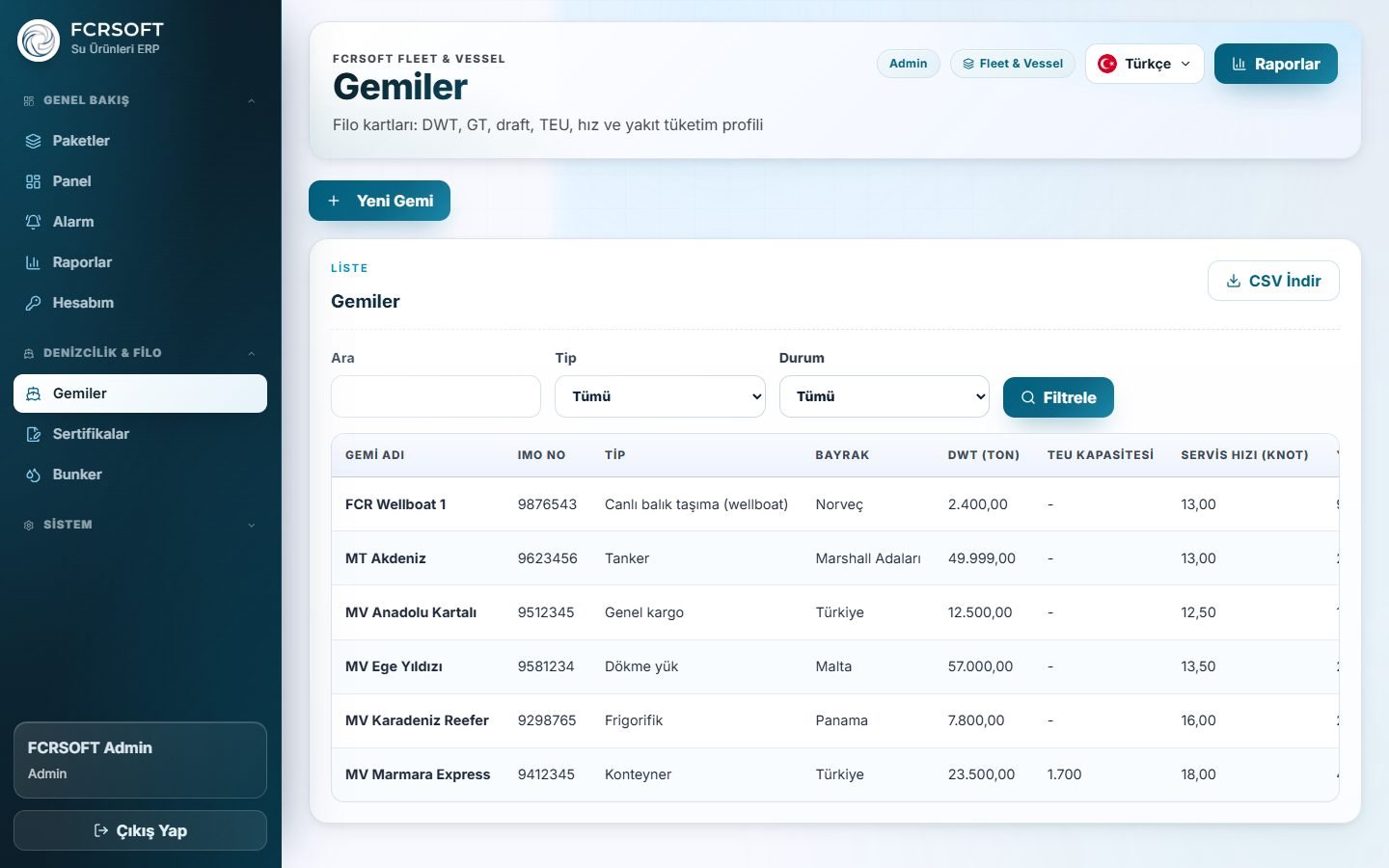
- DWT, TPC, draft and capacity data are stored on vessel cards.
- Certificate and document expiry dates are tracked, with warnings before they lapse.
- Voyage estimates use vessel data automatically.
Frequently asked questions
How is DWT Calculator calculated?
Calculate DWT (carrying capacity) from displacement and lightship weight, and the cargo capacity left after fuel, water and stores. The calculation uses Vessel Hydrostatics Engine: Calculates DWT, displacement, draft, trim, TPC and MCT relationships with standard naval formulas; results must be checked against approved vessel data.
DWT Calculator: what is it and when is it used?
DWT (deadweight) is the total weight a ship can carry down to its load line, including cargo, fuel, fresh water, stores and constants. It is displacement minus lightship weight; real cargo capacity is smaller than DWT.
DWT Calculator: what should I watch out for?
If a port or canal draft limit is below summer draft, the cargo you can take falls; deduct the difference × 100 × TPC from your plan.
How is DWT found?
DWT = [Displacement] − [Lightship weight]. With the example values (Displacement 67,900 t, Lightship weight 10,500 t, Fuel, fresh water, stores and constant 2,400 t) the result is 57,400 t.
How is Cargo capacity found?
Cargo capacity = [DWT] − [Fuel, fresh water, stores and constant]. With the example values (Displacement 67,900 t, Lightship weight 10,500 t, Fuel, fresh water, stores and constant 2,400 t) the result is 55,000 t.
Worked example: DWT Calculator
Example values: Displacement 67,900 t, Lightship weight 10,500 t, Fuel, fresh water, stores and constant 2,400 t. DWT: 57,400 t; Cargo capacity: 55,000 t; DWT / displacement: 84.5 %.
Is DWT Calculator free?
Yes. The tool is free, needs no sign-up and runs in your browser; the data you enter is not stored.
Can FCRSOFT do this calculation automatically?
FCRSOFT stores DWT, TPC and draft data on vessel cards and uses it automatically in voyage estimates. You can try the Fleet & Vessel package in the live demo without installing anything.
Do the results replace official ship calculations?
No. Ship calculations are estimates based on standard formulas. Loading, stability and draft decisions must be based on the ship’s approved documents and loading computer.