




















Water Quality Management
Effluent Standards for Land-Based Fish Farms
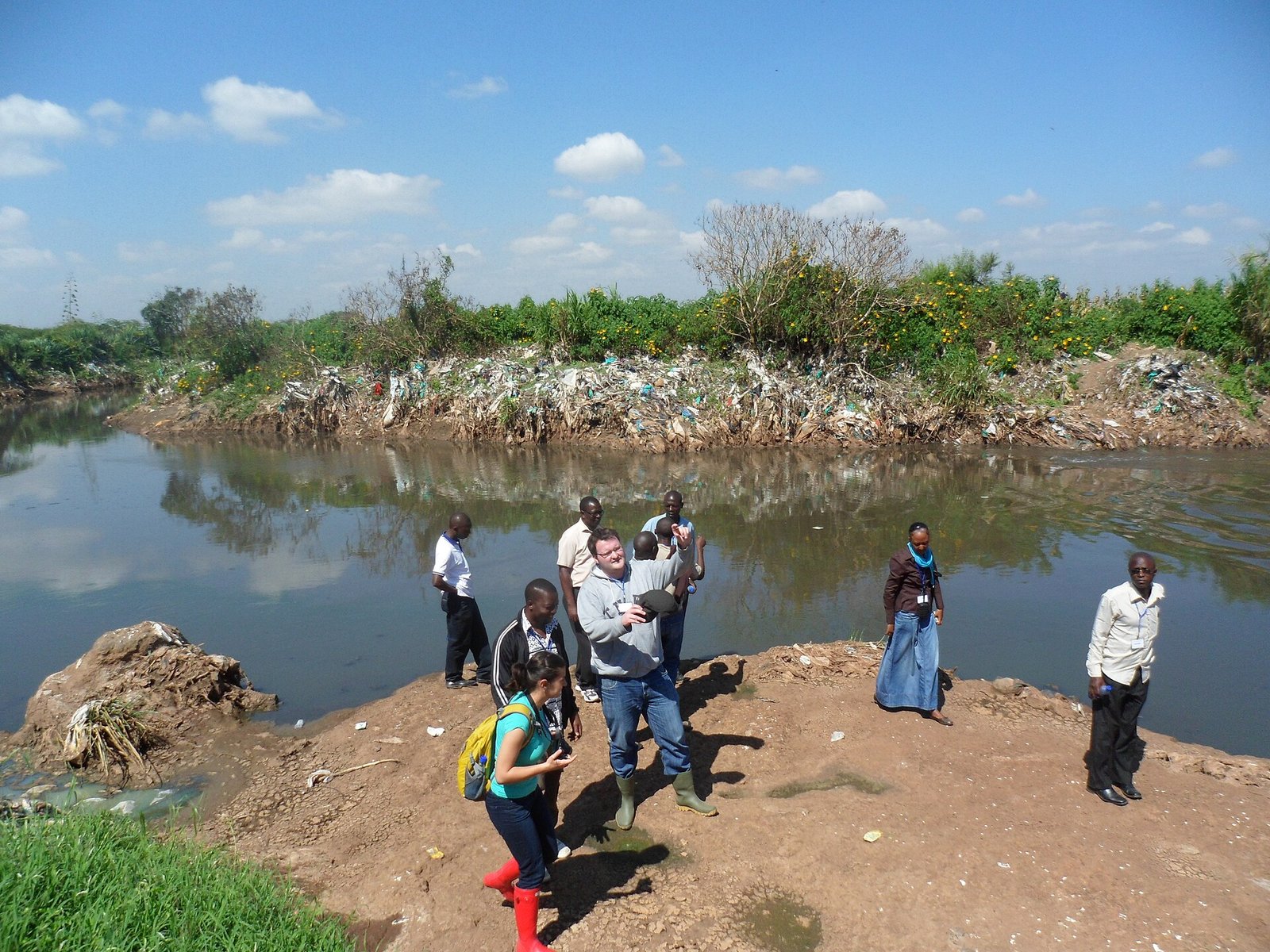
A farm discharging into a small, already nutrient-sensitive stream faces meaningfully stricter effluent limits than an otherwise identical farm discharging the same waste composition into a large, fast-flowing, less sensitive receiving water, because the regulatory question being answered isn't "what did this farm produce" — it's "how much additional load can this specific receiving water actually absorb without measurable harm." This receiving-water-centered framing is the single most important thing to understand about effluent regulation for land-based farms, since it explains why permit requirements vary so much between sites that might otherwise look operationally identical.
Why the same waste stream faces different limits at different sites
Regulatory effluent limits are typically set through an assessment of the specific receiving water body's assimilative capacity — how much additional nutrient or organic load that particular water body can absorb before showing measurable degradation, accounting for its existing water quality, flow volume, other users and dischargers already drawing on its capacity, and any specific sensitivity (a protected habitat, an already-stressed water body, a downstream drinking-water source) that would lower its tolerance for additional load further. A farm evaluating a new site purely on its own production plans, without checking the specific receiving water's assimilative capacity and existing regulatory sensitivity, can discover only after committing to a location that the permit requirements there are considerably stricter than a seemingly similar site elsewhere would face, simply because the receiving water itself is more sensitive or already more heavily loaded by other dischargers.
What's typically regulated, and why the specific parameter list matters
Effluent permits commonly regulate total suspended solids, nutrients (nitrogen and phosphorus specifically), and sometimes biochemical oxygen demand (a measure of how much the discharged material will consume oxygen as it decomposes in the receiving water), with the specific parameter list and limit stringency tailored to what the receiving water's particular sensitivity actually requires protection against. A farm should understand not just that limits exist but which specific parameters its own permit regulates and why those particular ones were chosen for that specific site, since a treatment investment aimed at the wrong parameter, built on a generic assumption about what "effluent treatment" typically addresses rather than the farm's actual permit requirements, wastes capital on a problem the farm's specific permit may not even heavily weight.
Treatment technology choices mapped to the actual limiting parameter
Solids removal technology, discussed in TSS management contexts, addresses suspended solids limits directly; nutrient-focused treatment (including some of the same denitrification and biological nutrient-removal approaches discussed in RAS contexts, adapted for effluent treatment rather than internal recirculation) addresses nitrogen and phosphorus limits specifically; and each treatment investment should be sized and selected against the actual permit parameter it's meant to satisfy, not a generic sense that "more treatment is always better" without reference to which specific limit is actually binding at a given site. A farm facing a tight nitrogen limit but a comfortable TSS margin gains little from further solids-removal investment relative to nitrogen-focused treatment, even though both represent genuine water-treatment spending in the abstract.
Monitoring and reporting as an ongoing compliance obligation
Beyond meeting the limits themselves, most effluent permits require ongoing monitoring and reporting at a specified frequency, documenting actual discharge quality against the permitted limits over time, not just a one-time demonstration of compliance at permit issuance. A farm treating effluent monitoring as a formality performed only when regulatory inspection seems imminent, rather than a genuine ongoing operational discipline integrated into routine water-quality management, risks discovering a drift toward non-compliance only once a report or inspection reveals it, by which point correcting the underlying treatment shortfall takes considerably longer than catching and addressing a gradual drift earlier would have required.
Why permit renewal can tighten requirements over time
Effluent permits are typically issued for a defined period and renewed periodically, and renewal can bring tightened requirements if the receiving water's assimilative capacity assessment has changed (new development adding other dischargers to the same water body, a changed understanding of the water body's sensitivity, or broader regional policy tightening) even without any change in the farm's own operation or discharge composition. A farm should budget for the real possibility that permit renewal brings stricter requirements than the original permit specified, treating effluent treatment infrastructure investment with enough margin to absorb some tightening over a facility's operating life, rather than sizing treatment capacity to exactly meet current requirements with no headroom for a future renewal cycle's potentially stricter limits.
Mass-balance limits versus concentration limits
Some effluent permits specify limits as a concentration (a maximum milligrams-per-litre threshold in the discharge itself), while others specify a total mass load limit (a maximum total quantity of a given pollutant permitted over a specified period, accounting for both concentration and discharge volume together), and these two framings create genuinely different compliance strategies. Under a pure concentration limit, diluting a discharge with additional clean water can technically achieve compliance without actually reducing total pollutant load reaching the receiving water, which is exactly why many modern permits favor mass-based limits specifically to prevent this dilution loophole and ensure the actual total load a receiving water experiences is what's genuinely being controlled, not just the concentration measured at the discharge point.
Permit application and the burden of proof
Obtaining an effluent permit for a new facility typically requires the farm itself to commission or contribute to the receiving-water assimilative capacity assessment that will ultimately determine its own permit limits, meaning the regulatory burden of demonstrating what the receiving water can actually absorb often falls substantially on the applicant rather than being handed down from a pre-existing regulatory determination. A farm underestimating this upfront assessment cost and timeline when planning a new facility risks a longer and more expensive permitting process than anticipated, since a thorough receiving-water assessment, particularly for a sensitive or poorly studied water body, can take considerably longer and cost more than a farm unfamiliar with the process might budget for at the outset.
Cumulative permitting in watersheds with multiple dischargers
In a watershed or coastal area with multiple existing dischargers, a new farm's permit application has to account for the cumulative load the receiving water already carries from those other sources, not just the new farm's own contribution in isolation, meaning a water body that looks like it has ample remaining assimilative capacity based on a single-discharger assessment can actually have far less genuinely available capacity once existing dischargers' contributions are properly accounted for. A farm evaluating a site in a region with established industrial, agricultural, or other aquaculture discharge activity already present should specifically investigate this cumulative-loading context before assuming the receiving water has capacity simply because its own individual contribution would be modest in isolation.
Working proactively with regulators rather than purely reactively
Farms that engage with the relevant regulatory authority early in a facility planning or expansion process, sharing production and discharge projections before formally submitting a permit application, generally navigate the permitting process more smoothly and with fewer unexpected requirement surprises than farms that submit a completed application and wait for regulatory feedback as the first point of substantive engagement. This proactive engagement approach lets a farm adjust facility design or treatment investment based on regulatory feedback before finalizing capital commitments, rather than discovering a requirement mismatch only after infrastructure decisions have already been locked in and are considerably more expensive to revise.
Frequently asked questions
Why do two farms with identical waste output sometimes face different effluent limits?
Because limits are set against the specific receiving water's assimilative capacity, not the farm's output alone. A farm discharging into a sensitive or already-loaded water body faces stricter limits than one discharging into a larger, less sensitive, less heavily used receiving water, even with identical waste composition.
What should a farm check before committing to a new site regarding effluent regulation?
The specific receiving water's assimilative capacity and existing regulatory sensitivity, not just generic regional permit norms. A site that looks similar to another on the surface can face considerably stricter requirements if its specific receiving water is more sensitive or already more heavily loaded by other dischargers.
Why does it matter which specific parameters a farm's permit actually regulates?
Because treatment investment should target the parameter that's actually binding at a given site, not a generic sense that more treatment is always better. A farm facing a tight nitrogen limit but a comfortable solids margin gains little from further solids-removal investment relative to nitrogen-focused treatment.
Is effluent monitoring just a one-time compliance demonstration?
No. Most permits require ongoing monitoring and reporting at a specified frequency, documenting discharge quality over time. Treating monitoring as a formality performed only before expected inspections risks discovering a compliance drift only once a report or inspection reveals it, well after correction would have been easier.
Can effluent permit requirements tighten over time without any change in a farm's own operation?
Yes. Renewal can bring stricter requirements if the receiving water's assimilative capacity assessment changes due to new development, updated sensitivity understanding, or broader policy tightening, independent of anything the farm itself has changed, which is why treatment capacity should be sized with margin for future tightening, not just current requirements.
What's the difference between a concentration limit and a mass-balance limit?
A concentration limit caps milligrams-per-litre in the discharge, which can technically be satisfied by diluting with clean water without reducing total pollutant load. A mass-based limit caps total quantity discharged over time, accounting for both concentration and volume together, closing that dilution loophole and more directly controlling what the receiving water actually experiences.
Key takeaways
- Effluent limits are set against the specific receiving water's assimilative capacity, not the farm's waste output alone, which is why identical waste streams can face genuinely different, equally legitimate requirements at different sites.
- Checking a prospective site's receiving water sensitivity before committing avoids discovering stricter-than-expected permit requirements only after the location decision is already made.
- Treatment technology investment should target the specific parameter actually binding in a given permit, not a generic assumption about what effluent treatment typically addresses.
- Ongoing monitoring and reporting is a continuous operational discipline, not a one-time compliance demonstration, and treating it as a formality risks missing a gradual drift toward non-compliance.
- Permit renewal can tighten requirements independent of any change in a farm's own operation, making it worth sizing treatment capacity with margin rather than exactly matching current limits alone.