
















Single-Cell Proteins for Aquaculture Feeds
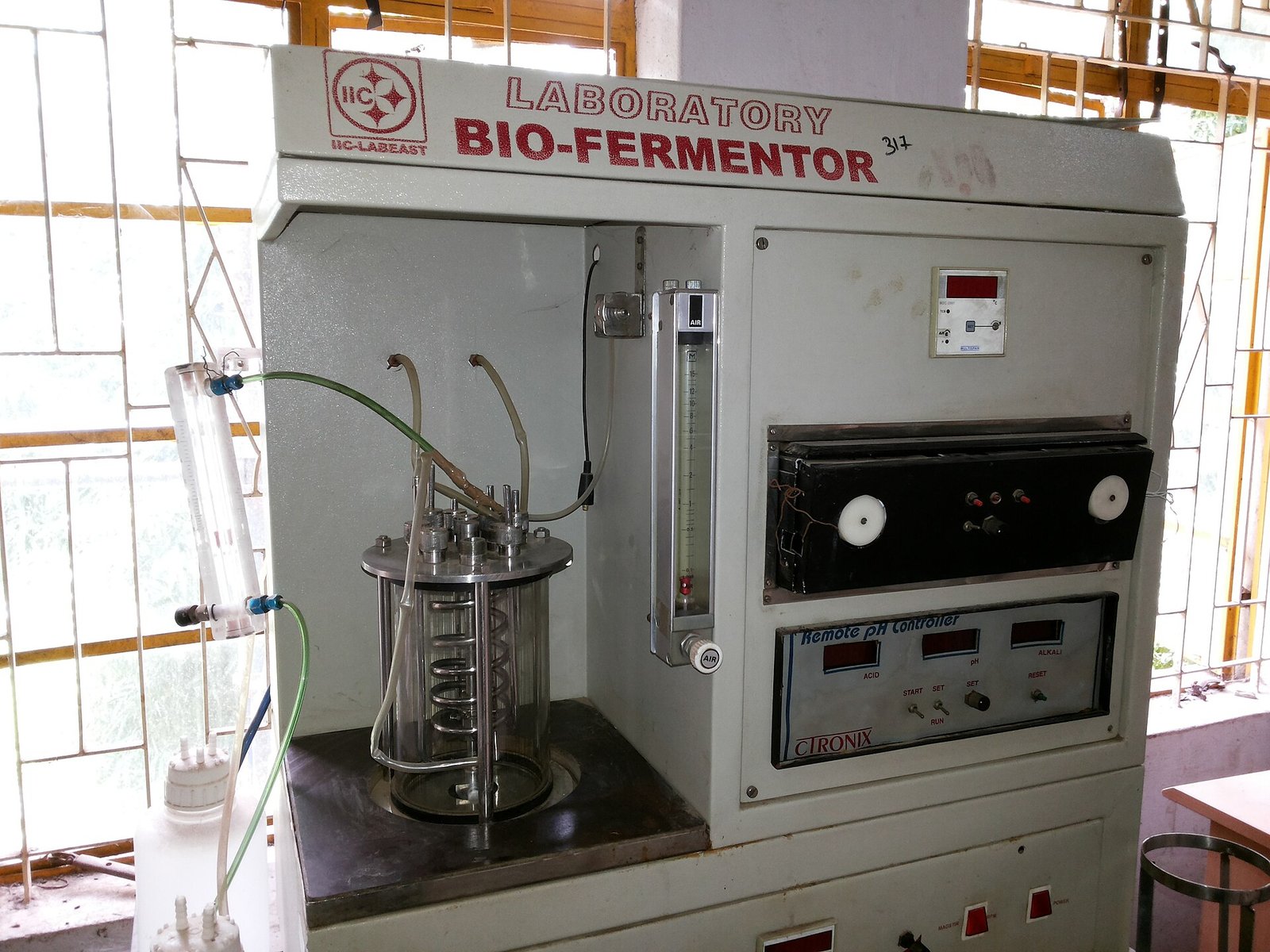
Single-cell protein (SCP) comes from bacteria, yeast, filamentous fungi or microalgae fermented on substrates as simple as methane, methanol, sugars or industrial byproduct streams, producing a protein source with amino acid profiles genuinely comparable to fishmeal and protein digestibility often exceeding 85–95%. On nutrient specifications alone, it reads like close to an ideal fishmeal replacement. The reason it hasn't displaced cheaper alternatives at scale isn't nutritional — it's that production cost currently sits well above commodity plant proteins, which keeps SCP positioned as a strategic, blended ingredient rather than a wholesale low-cost substitute.
What makes SCP nutritionally distinctive
Unlike plant proteins, which run into species-specific anti-nutritional factor ceilings, SCP's amino acid profile and digestibility are close enough to fishmeal that it doesn't face the same kind of hard tolerance ceiling plant proteins like soybean meal run into. SCP also typically carries a complete B-vitamin package as a natural byproduct of microbial growth, a secondary nutritional benefit beyond pure protein content that factors into some formulators' interest in the ingredient beyond its amino acid profile alone. This combination — fishmeal-comparable amino acids, high digestibility, and a useful vitamin contribution — is genuinely distinctive among the alternative protein sources covered in this series, most of which carry at least one significant limiting factor that caps their practical inclusion well below what their raw protein content alone would suggest.
The nucleic acid problem
SCP's main technical limitation is nucleic acid (purine) load, which is inherent to how microbial cells are structured and needs to be reduced during processing to avoid metabolic problems in the fish consuming it at meaningful inclusion levels. This isn't a minor footnote — nucleic acid reduction is a genuine processing step that adds cost and complexity to SCP production, and products that skip or under-invest in this step risk the kind of metabolic issue that would undermine the ingredient's otherwise favourable nutritional profile. A buyer evaluating an SCP product should confirm nucleic acid reduction has actually been addressed in the specific product's processing, not just assume a high-digestibility, fishmeal-comparable specification sheet means the ingredient is ready for high inclusion without this consideration.
Production organism and approval status
Different SCP products rely on different production organisms — methanotrophic bacteria fermented on methane or methanol, or various fungal fermentation processes — and approval status for feeding to farmed fish varies by country and by the specific production organism and substrate used — the same jurisdiction-by-jurisdiction patchwork insect meal faces. Several SCP products have secured approval for salmon feed use in specific major salmon-producing countries, but a producer or formulator evaluating an SCP product for a different country or a different target species should confirm that specific product's actual regulatory status in their own jurisdiction rather than assuming approval in one country or for one species transfers automatically elsewhere.
Why cost keeps SCP in a strategic rather than bulk role
SCP production cost currently sits above commodity plant proteins like standard soybean meal, which is the main reason it hasn't become a bulk fishmeal-replacement ingredient the way lower-cost plant proteins have, despite its favourable nutritional profile. This cost positioning means SCP is typically used at moderate inclusion rates, commonly blended with other protein sources rather than used as the dominant protein in a formulation, often specifically in premium or performance-focused diets (salmonids, shrimp) where the cost premium is justified by the specific benefits SCP brings, including diversifying protein sourcing away from any single ingredient's own limiting factor, the same blending logic that governs mixing insect meal with plant proteins.
Comparing SCP to the other major fishmeal alternatives
Positioned alongside insect meal and plant protein concentrates, SCP offers a genuinely distinct value proposition: insect meal's limiting factor is primarily amino acid balance (the methionine gap) and a digestibility ceiling from chitin content; plant protein concentrates' limiting factor is primarily cost relative to cruder plant meals; SCP's limiting factor is primarily raw production cost relative to both, offset by a nutritional profile that needs less correction than either alternative once nucleic acid reduction is properly handled. A sophisticated formulator blending multiple alternative proteins, as discussed throughout this series' feed-ingredient coverage, treats SCP as one tool addressing a specific gap (amino acid quality without plant-protein anti-nutritional factors) rather than evaluating it purely on a cost-per-tonne basis against cheaper bulk alternatives that solve a different part of the overall formulation problem.
Evaluating SCP for a specific feed decision
A producer or formulator considering SCP inclusion should confirm the specific product's nucleic acid reduction processing, verify current regulatory approval status for the specific production organism and target species in the relevant jurisdiction, and weigh the cost premium against the specific benefit (amino acid quality, digestibility, vitamin contribution) the formulation actually needs rather than treating SCP as a default upgrade regardless of what the diet's existing limiting factor actually is. Compare resulting growth and feed conversion performance against a baseline formulation using the fish feed comparison tool, and weigh any inclusion decision against the diet's overall protein ratio targets rather than evaluating SCP inclusion purely as an isolated ingredient cost decision separate from the feed's full nutritional design.
Palatability and cell-wall digestibility
Beyond the nucleic acid consideration discussed above, some bacterial SCP products face a secondary digestibility question tied to cell-wall structure, where the microbial cell wall itself can resist breakdown in a fish's digestive system to varying degrees depending on the specific organism and processing method used, affecting how fully the protein inside that cell wall actually becomes available to the fish regardless of what a bulk protein-content specification suggests. This cell-wall digestibility question varies by production organism (bacterial products generally face this consideration more than some yeast or fungal fermentation products, though specifics vary by product), which is part of why a formulator evaluating SCP products shouldn't treat "single-cell protein" as a single uniform category with one performance profile — the specific organism and processing method behind a given product meaningfully affects its actual nutritional performance in a feeding trial, not just its label specification.
Environmental and resource-use case
Beyond the direct nutritional and cost considerations discussed above, SCP production scores favourably on land-use and carbon-intensity metrics relative to some conventional protein sources, since fermentation-based production can occur in a relatively small industrial footprint independent of agricultural land availability or ocean fishery capacity, a genuine structural advantage distinct from the nutrient-profile and cost questions dominating the rest of this piece. This environmental case has drawn growing interest from buyers and certification schemes specifically evaluating feed ingredient sustainability credentials, echoing the same sustainability pitch behind insect meal's rapid adoption, though a producer should weigh this environmental positioning as a genuine additional consideration alongside, not a substitute for, the core nutritional and cost evaluation any feed ingredient decision ultimately needs to rest on.
Supply chain and scale considerations
SCP production facilities represent significant dedicated industrial infrastructure investment, meaning the ingredient's supply chain maturity and available production scale vary considerably by specific producer and production technology, a consideration that matters directly for a formulator or producer planning to rely on SCP at meaningful, consistent volume over time rather than as an occasional specialty addition. A producer evaluating a long-term SCP sourcing strategy should assess a specific supplier's production scale, consistency track record and capacity to meet growing demand reliably — the same maturity check worth running on an insect-meal supplier — rather than assuming the broader SCP category's growing commercial interest guarantees any individual supplier has reached comparable scale or reliability.
Where SCP fits in a diversified formulation strategy
Given SCP's distinct limiting factor (cost, offset by strong nutritional profile once nucleic acid reduction is handled) relative to plant proteins and insect meal's different limiting factors, a sophisticated formulator's decision isn't really "should I use SCP instead of these other alternatives" but "what specific gap in my current formulation would SCP's particular strengths address better than my other available options." A formulation already well-served by plant protein blends addressing amino acid balance adequately may not gain much from adding SCP at meaningful cost; a formulation struggling with amino acid quality or digestibility limits from its existing plant-protein-heavy approach may find SCP's strong nutritional profile justifies its cost premium specifically to resolve that particular limitation, rather than as a general-purpose upgrade applied without regard to what problem it's actually solving.
Frequently asked questions
Why hasn't single-cell protein replaced cheaper plant proteins at scale despite its favourable nutrition?
Production cost currently sits above commodity plant proteins like soybean meal, which keeps SCP positioned as a strategic, blended ingredient in premium or performance-focused diets rather than a bulk, low-cost fishmeal replacement the way cheaper plant proteins have become.
What is the main technical limitation of single-cell protein?
Nucleic acid (purine) load, inherent to microbial cell structure, which needs to be reduced during processing to avoid metabolic problems at meaningful inclusion levels — a genuine processing step that adds cost and complexity, not a minor technical footnote.
Does SCP face the same anti-nutritional factor ceiling as plant proteins?
No, not in the same way. SCP's amino acid profile and digestibility are close to fishmeal's, so it doesn't run into the hard species-specific anti-nutritional factor ceilings that cap plant proteins like soybean meal, though the nucleic acid consideration still needs managing.
Is single-cell protein approved for use everywhere?
No. Approval varies by country and by the specific production organism and substrate used, following the same jurisdiction-specific regulatory pattern seen with insect meal. Confirm a specific product's actual approval status in your own jurisdiction and for your target species rather than assuming broad approval.
How does SCP compare to insect meal as a fishmeal alternative?
They address different limiting factors: insect meal's main gap is amino acid balance (low methionine) and a chitin-driven digestibility ceiling, while SCP's main limitation is production cost, offset by a nutritional profile needing less correction once nucleic acid reduction is properly handled.
Is all single-cell protein nutritionally equivalent?
No. Cell-wall digestibility and nucleic acid reduction vary by production organism and processing method, so a bacterial SCP product and a fungal or yeast-based one can perform differently in a feeding trial despite similar label specifications — evaluate the specific product, not the broad SCP category as a single uniform ingredient.
Key takeaways
- Single-cell protein offers a fishmeal-comparable amino acid profile and high digestibility, without the species-specific anti-nutritional factor ceilings that cap plant proteins.
- Nucleic acid load is the main technical limitation, requiring dedicated processing to avoid metabolic problems, not a minor footnote to the ingredient's otherwise favourable profile.
- Production cost above commodity plant proteins keeps SCP in a strategic, blended role in premium diets rather than a bulk fishmeal replacement.
- Regulatory approval varies by country and production organism, following the same jurisdiction-specific pattern as other newer alternative proteins.
- SCP, insect meal and plant protein concentrates each address different specific limiting factors, and sophisticated formulations often blend several rather than relying on any single alternative alone.