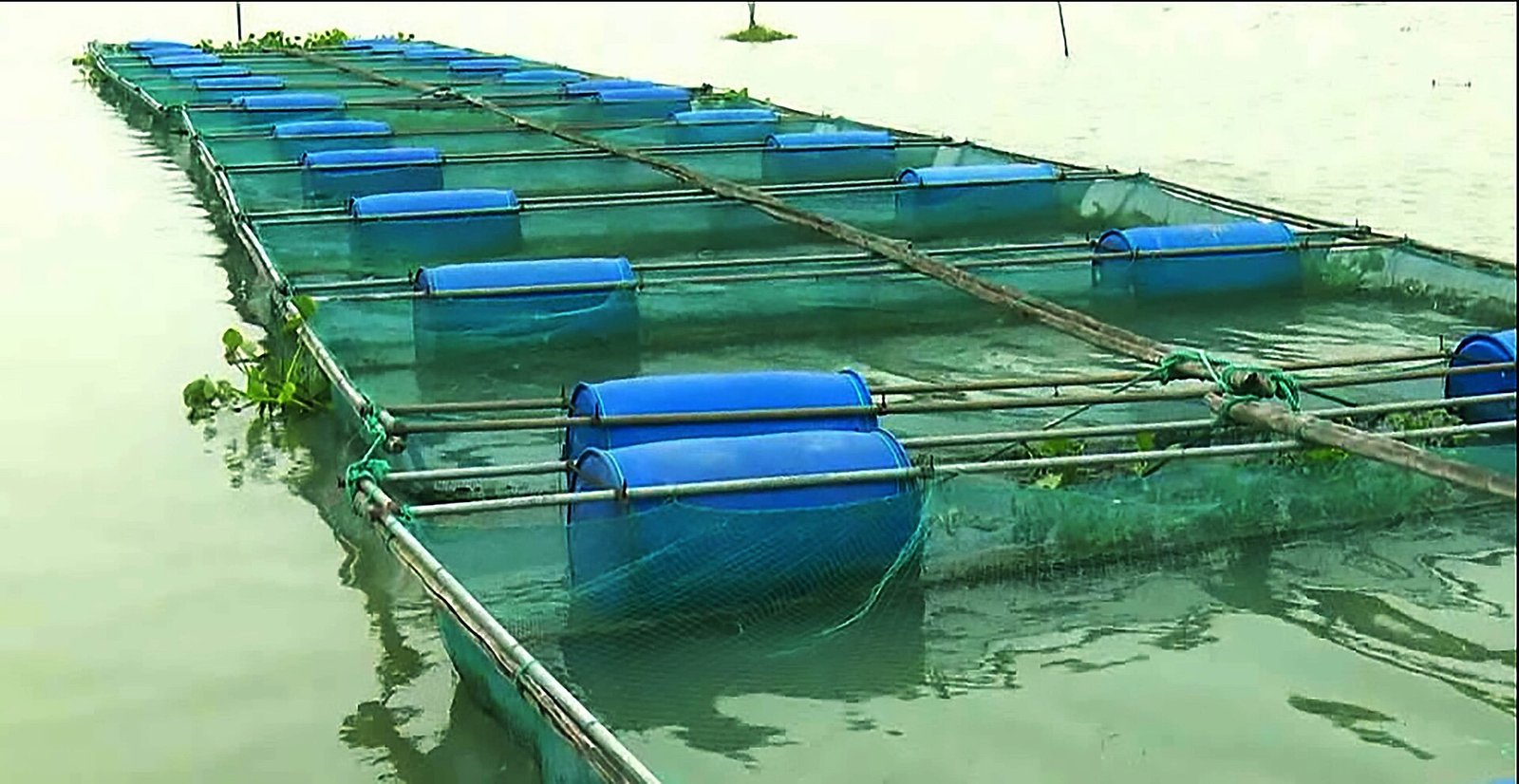
Depth-Based Water Quality Stratification (Cage Site)
Depth-based water quality stratification at a cage site describes how temperature, dissolved oxygen, salinity, and current velocity change with depth, and how those vertical gradients determine where in the water column farmed fish can actually live. In stratified coastal water a warm, oxygenated surface layer may sit over colder, low-oxygen water below; a strong thermocline at 5 to 15 m can separate surface temperatures of 14 to 18 C from bottom water only a few degrees above the fish's thermal tolerance, while oxygen can drop from 8 mg/L at the surface to under 6 mg/L near the seabed. Because caged fish cannot move horizontally to better water, the net pen must be sited and managed within the productive layer: net depth is chosen to stay above chronic low-oxygen bottom water, and oxygen probes at 2 to 4 depths drive automatic feeding stops and aeration. Stratification also governs where algal blooms and jellyfish aggregate, affecting gill health. Related concepts include dissolved oxygen, thermal stratification, submersible cage systems, and hypoxia, all of which link vertical structure to fish welfare and feeding performance.