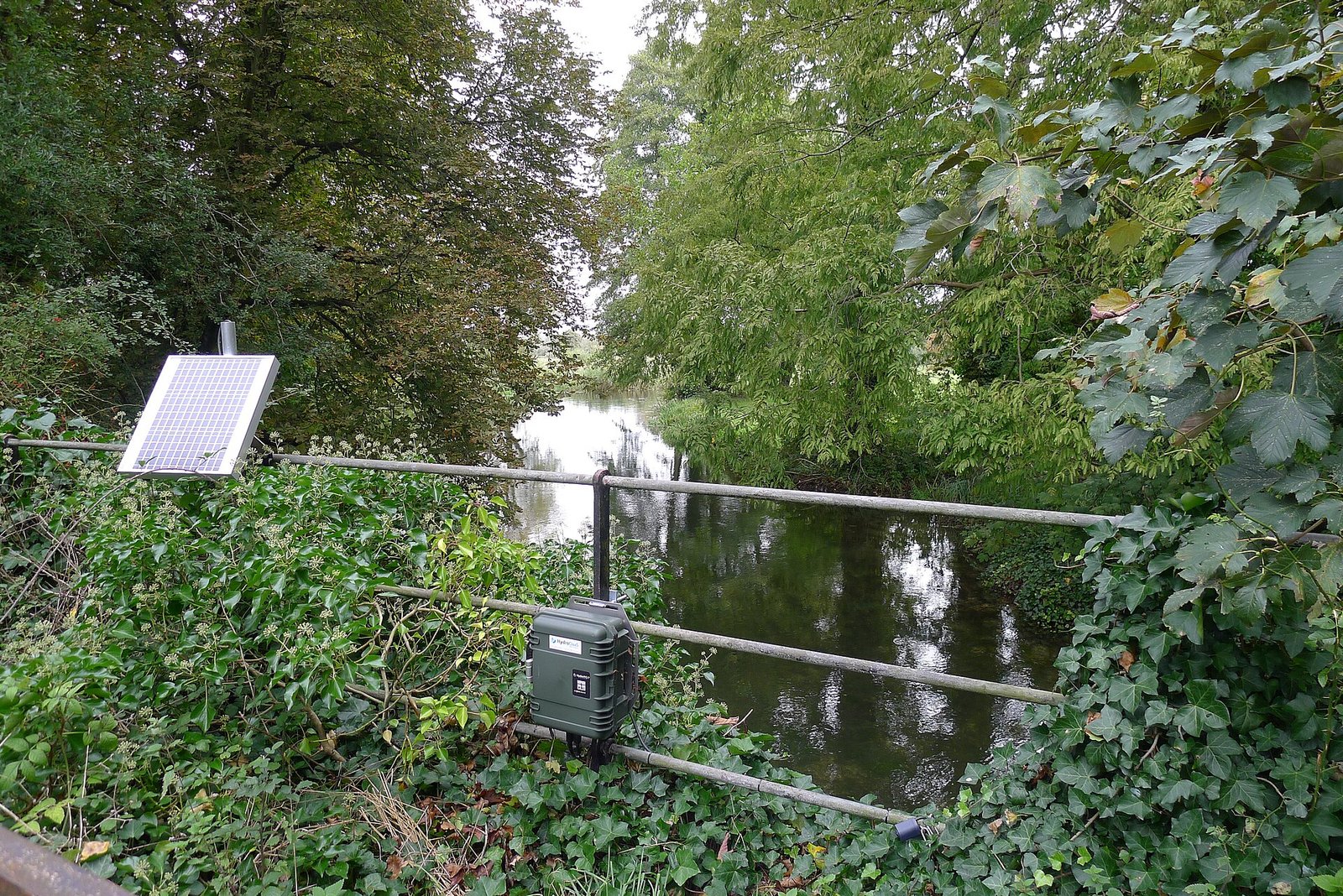
Dissolved Oxygen Probe Calibration and Maintenance
Dissolved oxygen probe calibration is the periodic procedure that aligns a DO sensor's readings with known reference values, typically a zero point from a sodium sulfite solution (0% saturation) and a slope check against water-saturated air at 100%. Polarographic and galvanic probes also need their electrolyte and membranes replaced on a schedule, while optical probes mainly require verification against air and occasional recalibration of the sensing cap. In farm practice, an uncalibrated probe can drift by 10-20% of the true value, which is dangerous because oxygen decisions sit at narrow margins: most finfish show stress below 60-70% saturation, and lethal hypoxia can develop within hours on a warm night when algal respiration consumes oxygen in ponds. Calibration should be done weekly for critical sensors and immediately after membrane changes, cleaning, or suspicious readings. A well-maintained probe track record also creates trustworthy historical data, which is essential for feeding algorithms and early warning thresholds. Operators should log every calibration with date, reference values, and offset, and retire probes whose drift exceeds roughly 5% after correction.