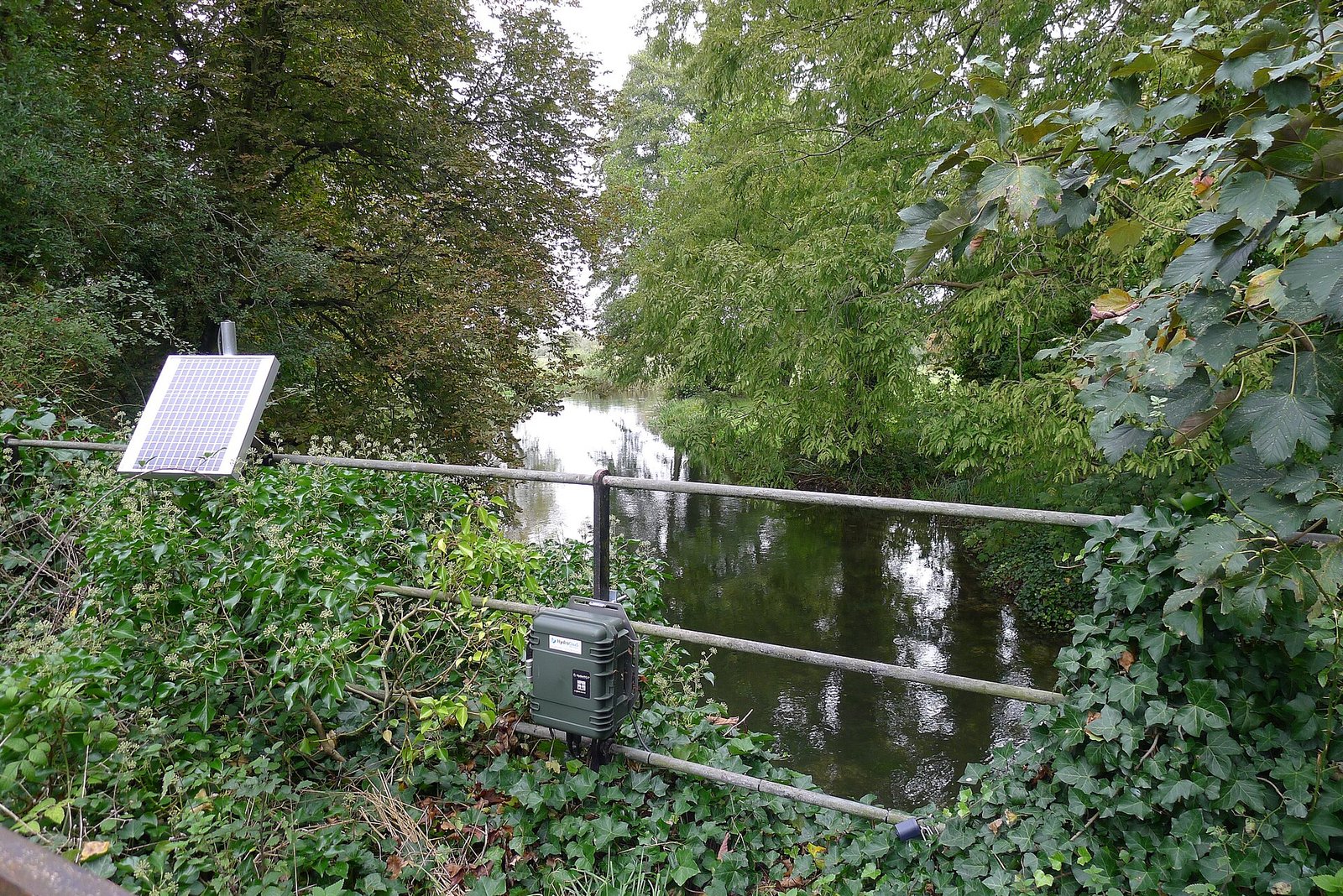
Early Warning Alert Thresholds
Early warning alert thresholds are predefined limits on measured parameters, typically dissolved oxygen, temperature, pH, salinity, and water level, that trigger notifications or automatic actions when crossed, converting continuous sensor data into timely intervention. Good threshold design separates warning levels from critical levels: an oxygen warning at 70% saturation prompts inspection, while a critical alert at 60% or a rapid fall rate triggers backup aerators automatically and pages on-call staff. Static limits are only the starting point; rate-of-change alarms catch problems earlier than absolute ones, because dissolved oxygen falling 1 mg/L in 30 minutes at night signals an algal crash regardless of the current value, and deviation-from-baseline alarms catch sensor drift or subtle disease-driven appetite loss that fixed limits miss. Thresholds must be tuned to species and life stage, since larvae tolerate far narrower ranges than market-size fish. The alerting chain needs the same rigor as the sensors: escalation paths with acknowledged response times, redundant communication channels for remote sites, and periodic drills, because alarms that fire without follow-up train staff to ignore them. Properly run, thresholding is the difference between a corrected anomaly and a mortality event.