Enterocytozoon Hepatopenaei (EHP)
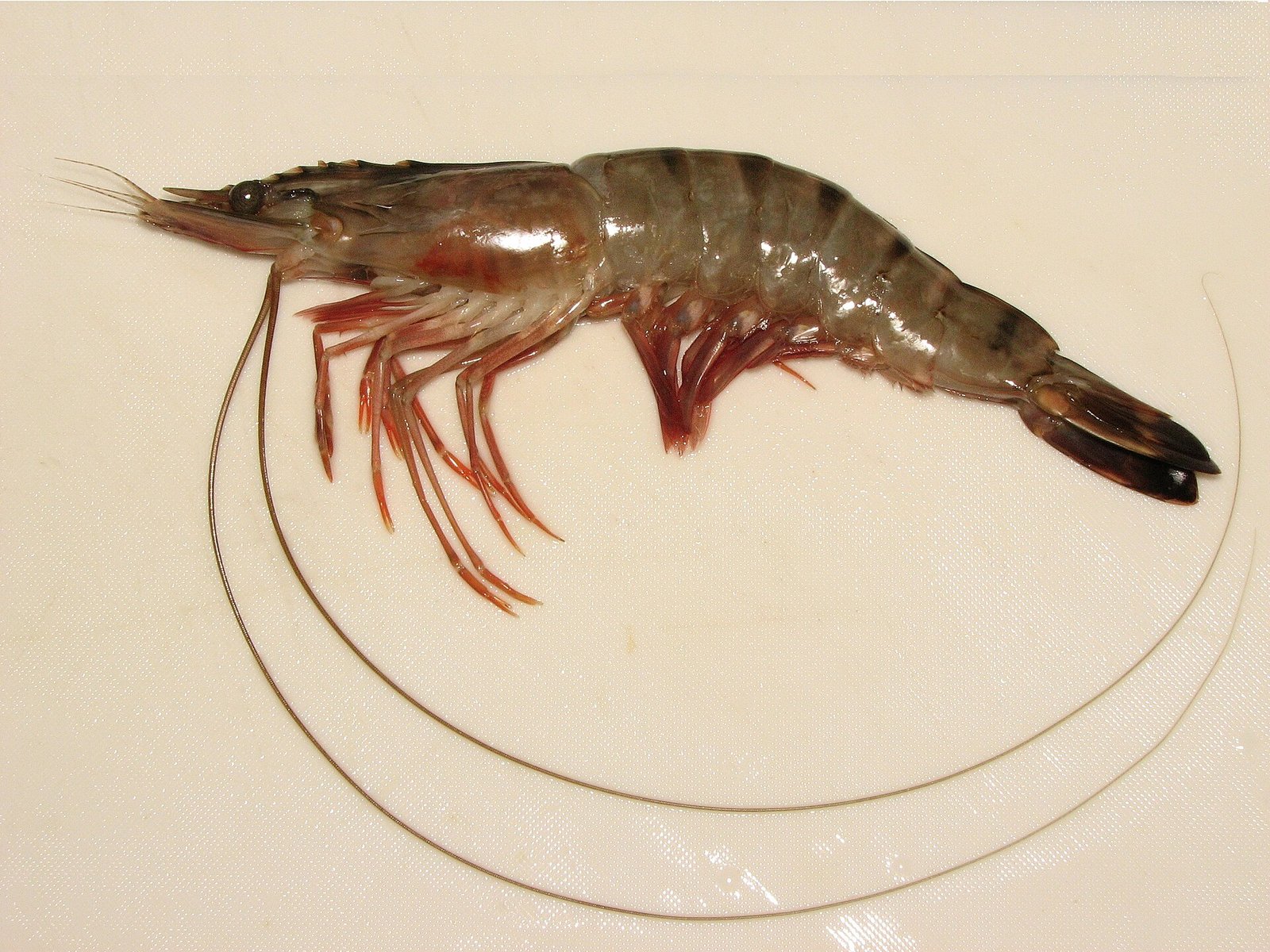
EHP is a microsporidian parasite of penaeid shrimp, Enterocytozoon hepatopenaei, that infects the hepatopancreas tubule epithelial cells. Unlike acute viral diseases, EHP causes no dramatic mortality; instead it progressively damages the digestive gland, cutting nutrient absorption and producing chronic slow growth, highly variable sizes within a cohort, and soft, thin shells. Infected shrimp feed but do not convert, so feed conversion ratio deteriorates and crops fail to reach market size on schedule. Growth suppression of 20 to 50 percent is commonly reported in affected ponds. The parasite transmits vertically via infected broodstock and horizontally through feces and cannibalism, and its spores are extremely resistant, surviving drying and standard pond disinfection. For farmers, EHP is an insidious profitability disease: the crop looks alive and feeding but underperforms economically. Control centers on certified specific pathogen free seed, rigorous PCR screening of broodstock, avoiding fresh or untreated live feeds that may carry spores, and complete drying, liming, and disinfection between cycles. Because no treatment exists and spores persist, exclusion is the only effective strategy, making hatchery-level biosecurity the front line of EHP management.