Nutrient Dispersion Modeling
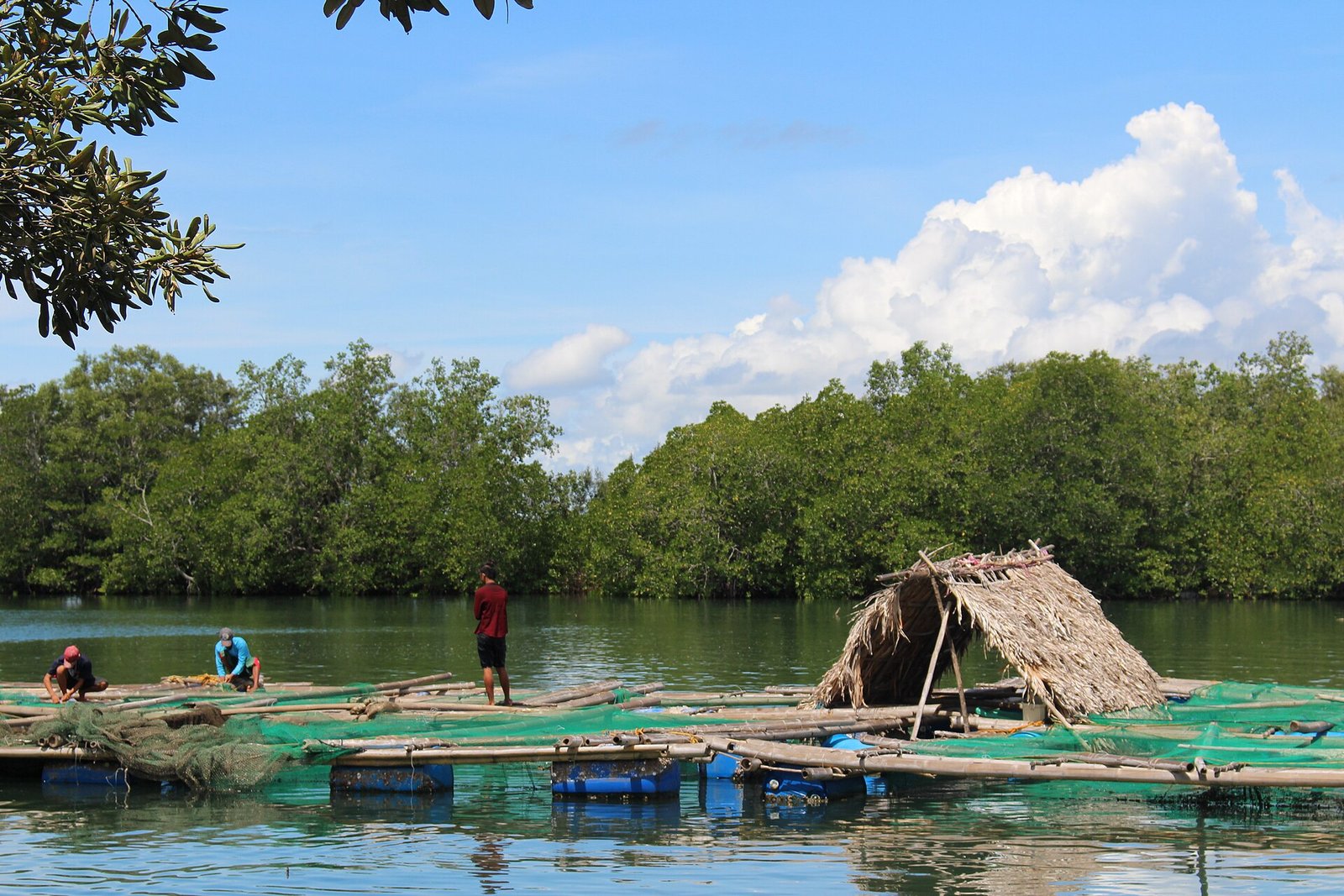
Nutrient dispersion modeling predicts how dissolved nitrogen and phosphorus released from feed and fish waste spread, dilute, and ultimately either support healthy primary production or trigger eutrophication around a farm site, using hydrodynamic current data combined with a nutrient loading estimate derived from feed input, feed conversion ratio, and species-specific excretion rates. Unlike particulate waste, which settles close to source and is governed by sediment transport, dissolved nutrients move with the full water column and can affect water quality kilometers from the originating farm, which is why regulators evaluating cumulative impact in a shared bay or coastal zone model dissolved nutrient dispersion separately from particulate footprint. Model outputs typically predict the spatial extent and concentration of a nutrient plume under a range of current and tidal scenarios, validated against actual water sampling at predicted plume boundaries after the farm is operating. A persistent gap between modeled and measured nutrient concentration is treated as a signal that either the loading estimate (often the most uncertain input, since real feed waste rates vary by feeding management quality) or the hydrodynamic assumptions need revision, making nutrient dispersion modeling as much a calibration exercise over a farm's operating life as a one-time pre-licensing prediction.