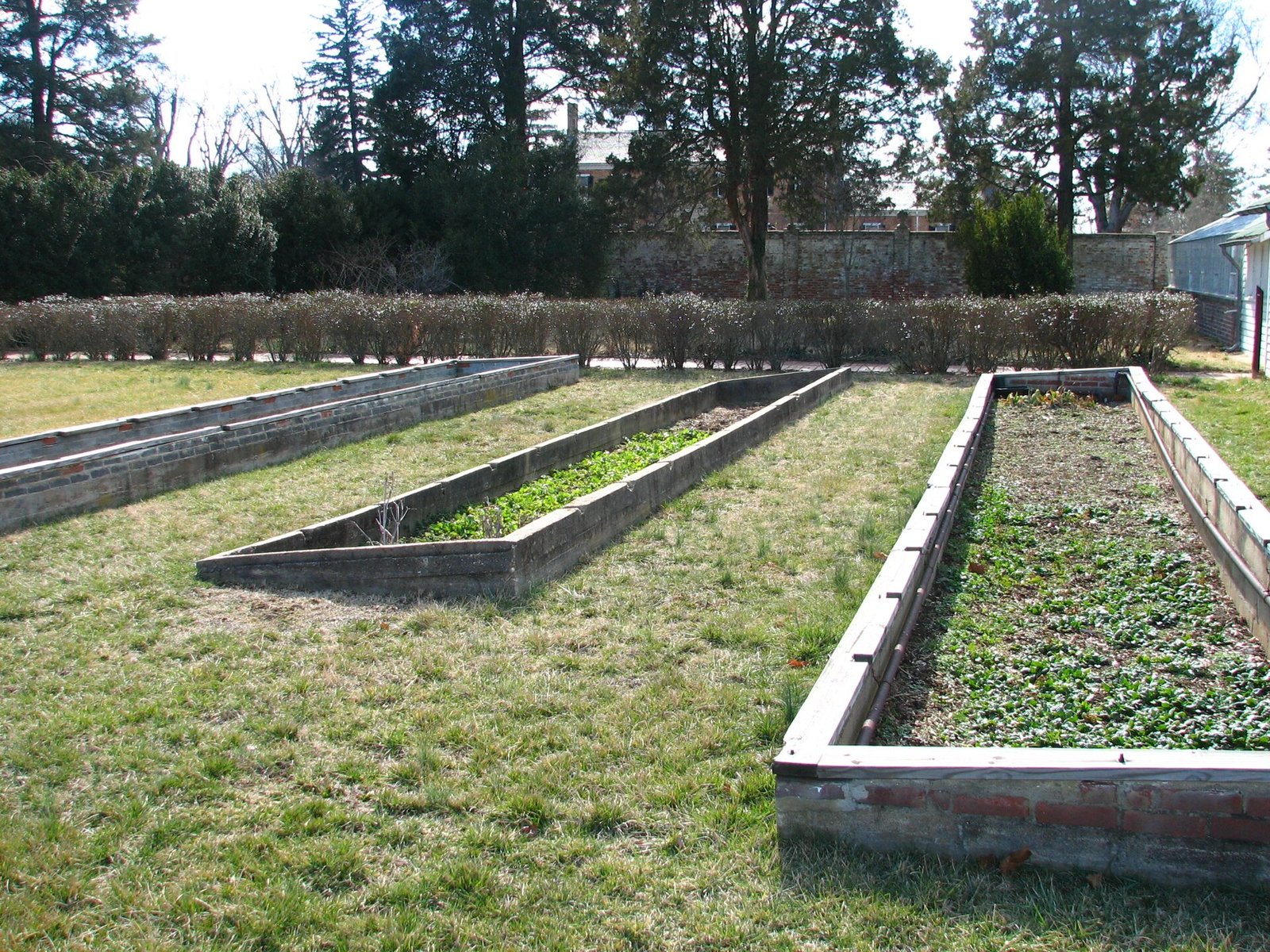
Dike Construction and Maintenance
Pond dikes (levees) are the earthen walls that contain pond water, separate compartments, and provide working roads, and their construction quality decides whether a farm survives heavy rain, wave action, and years of erosion. Core specifications: a top width of 3-5 m on main dikes to carry vehicles, side slopes of 2:1 or gentler for stability, and freeboard of 0.5-1 m above maximum operating level to absorb wind-driven waves and storm surge. Dikes are typically built from compacted clay-rich soil in layers, with a clay core or lining where seepage is a risk, and grassed or riprapped surfaces to resist erosion. Key failure modes include burrowing animals (crabs, rodents), crab holes in shrimp-farming regions, overtopping during storms, piping and seepage on sandy soils, and mechanical damage from constant vehicle traffic. Routine maintenance means inspecting after every storm, filling and compacting cracks and animal holes immediately, reseeding bare grass, and keeping drainage spillways clear. From an operational view, leaking dikes silently cost water, energy for pumping, and fertilizer; a collapsed dike can lose an entire crop and contaminate neighboring ponds. Investment in properly engineered, well-maintained dikes is among the cheapest insurance a pond farm can buy, and well-kept dikes with clean vegetation also reduce predator hiding places and improve farm biosecurity.