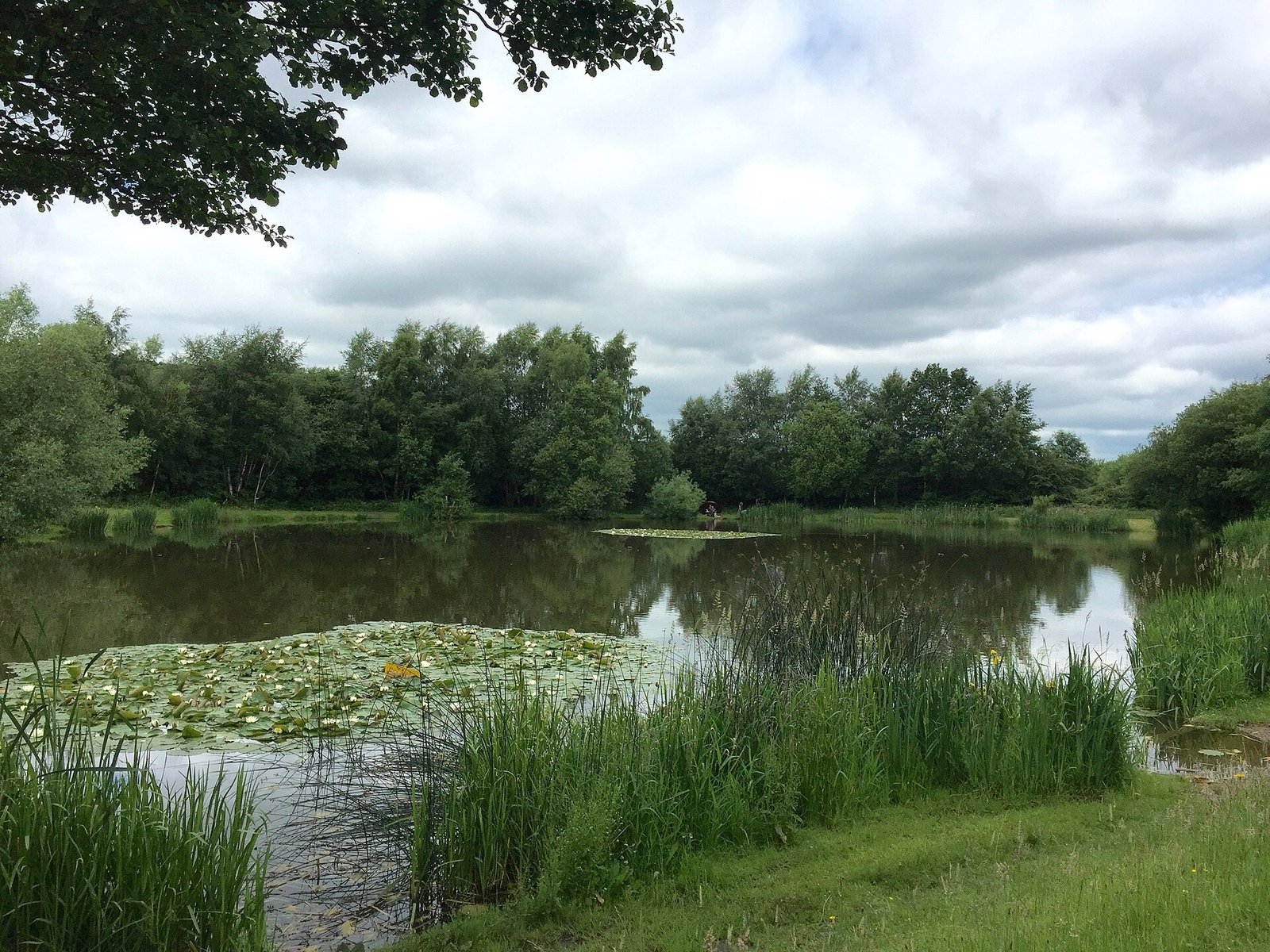
Pond Zonation and Depth Profile
Pond zonation and depth profile refer to how a pond's bottom is shaped into functional zones (deep refuge, feeding or drain zone, shallow shelf) and how average and maximum depths are set for the target species and culture intensity. Typical semi-intensive fish ponds run 1.2-1.8 m deep, intensive shrimp ponds 1.0-1.5 m, and extensive ponds can be shallower at 0.8-1.2 m; deeper ponds hold more stable temperature and water volume but are harder to mix and can stratify. A deeper sump or drain pit in a corner concentrates wastes and allows complete draining at harvest, while a shallow feeding shelf in shrimp ponds lets farmers check trays and lets shrimp access feed quickly. Depth profile interacts with thermal stratification: in calm weather, surface water warms above cooler bottom water, and without mixing the bottom turns anaerobic; shallow uniform ponds mix more easily with wind and a single aerator. From a design standpoint, uniform depth simplifies construction and aeration but wastes no area, while zoned ponds demand precise leveling yet reduce harvest labor and sludge problems. Correct zonation also matters for predator control, bird access, and seine netting. Getting the profile right at construction is far cheaper than correcting it later, and it underpins every later decision about aeration placement, water exchange, and harvest method.