Pre-Slaughter Stress Mitigation Techniques
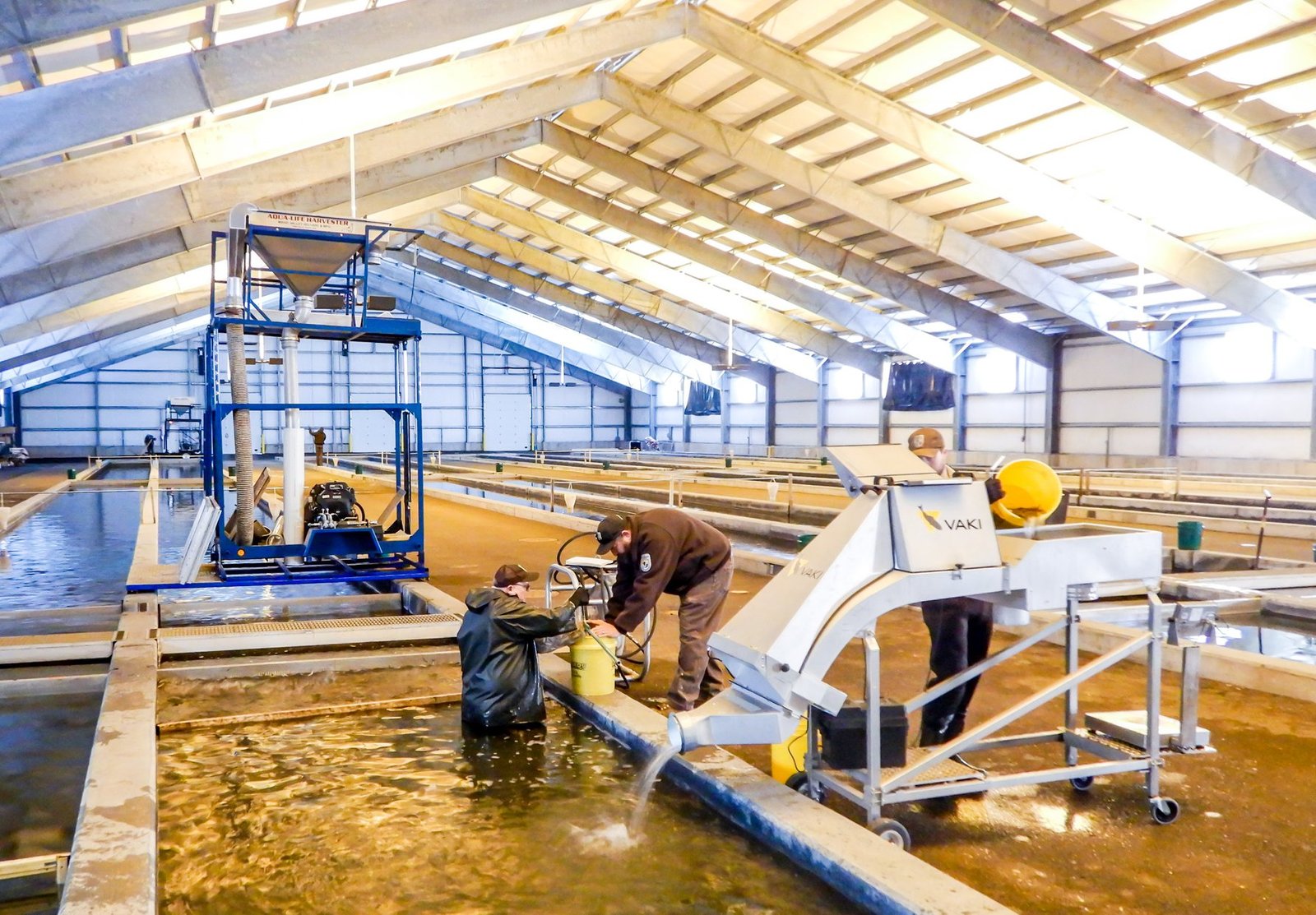
Pre-slaughter stress mitigation addresses the final hours before slaughter, crowding, pumping or netting, transport to a processing point, as a distinct, concentrated welfare risk window that also carries direct commercial consequence, since acute pre-slaughter stress measurably degrades flesh quality through accelerated post-mortem metabolic changes, elevated lactic acid buildup, more rapid rigor onset, and in some documented cases visible flesh gaping or discoloration, meaning pre-slaughter stress reduction serves simultaneously as a welfare improvement and a direct product-quality protection measure rather than representing a purely ethical consideration with no commercial correlation. Minimizing crowding duration and density during the final pre-slaughter handling sequence, using gentle, low-stress pumping or transfer methods rather than more aggressive handling, and ensuring adequate, well-oxygenated holding conditions immediately before stunning are the primary practical interventions, each directly connected to the same crowding, transport, and handling welfare principles discussed elsewhere in this cluster but specifically concentrated and intensified at this final, highest-stakes pre-slaughter stage. Fasting duration before slaughter requires similar careful calibration to pre-transport feed withdrawal, long enough to reduce gut content and associated processing complications and water-quality burden during the final holding period, but not so extended that the fasting itself becomes an additional, unnecessary stressor compounding rather than reducing the fish's overall pre-slaughter stress burden. Stress biomarker measurement, cortisol and lactate levels sampled from fish at the point of slaughter, provides objective, quantifiable verification of how effectively a facility's actual pre-slaughter handling protocol is managing stress in practice, giving processors a measurable performance indicator to track and improve against over time rather than relying solely on subjective visual assessment or simply assuming a documented protocol is being followed effectively and producing its intended stress-reduction result.