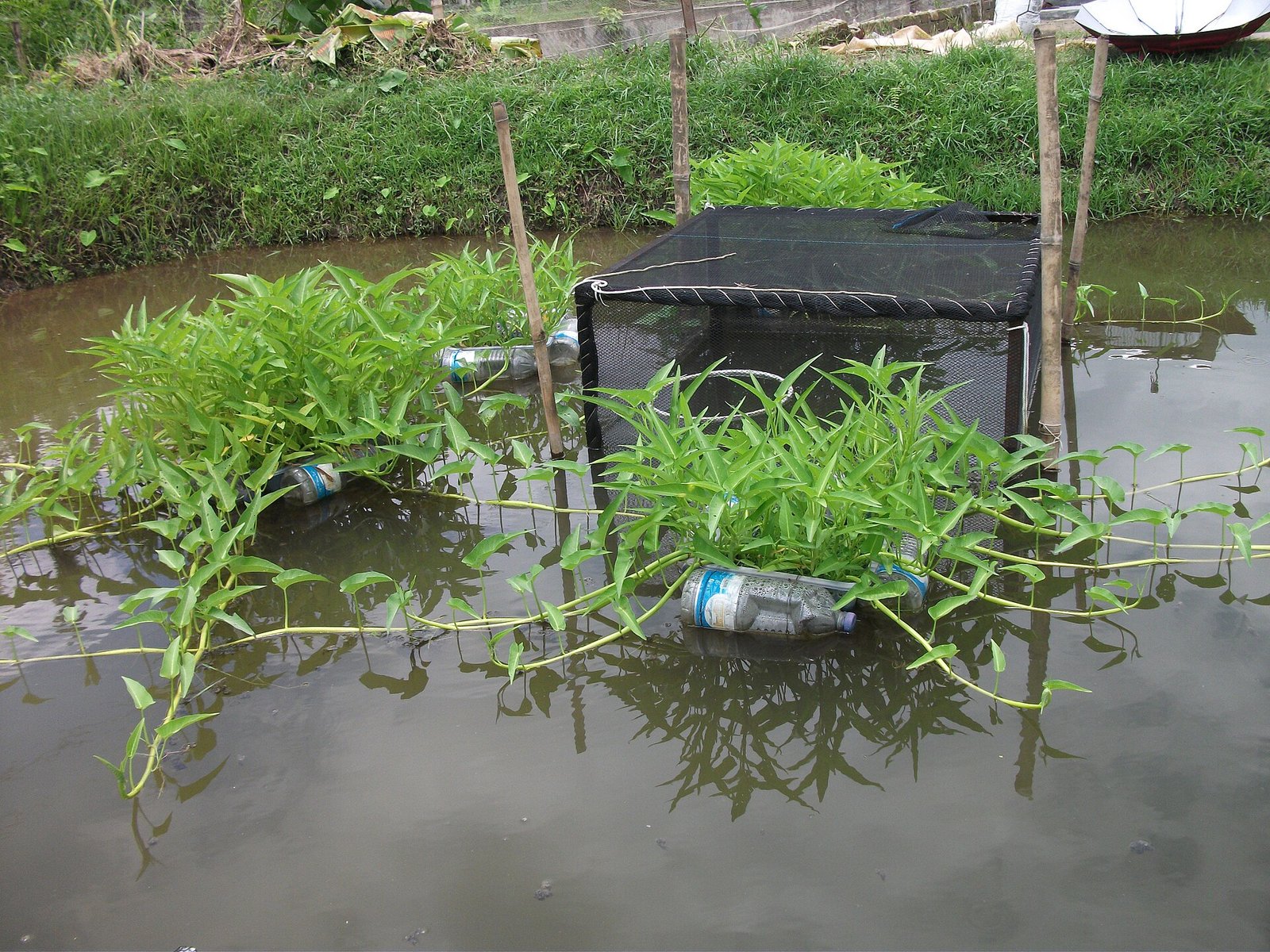
Solid Waste Mineralization for Aquaponics
Solid waste mineralization converts the particulate fraction of fish waste, uneaten feed and solid feces, into dissolved, plant-available nutrient forms through bacterial decomposition in a dedicated digestion chamber or settling tank, a necessary intermediate step specifically for aquaponics system designs, such as NFT and DWC and most decoupled systems, where raw solid particulates cannot simply be allowed to flow directly into the plant growing area without causing clogging, oxygen depletion around roots, or pathogen risk. The mineralization process requires adequate time and typically some degree of aeration to support the aerobic and facultative bacteria performing the breakdown, and under-sized or poorly aerated mineralization units can themselves turn anaerobic, generating hydrogen sulfide and other compounds that would harm rather than benefit the plant side if that water were then introduced into the growing system, meaning mineralization unit design requires the same anaerobic-avoidance principles applied in broader aquaculture solids and sludge management. The resulting mineralized liquid output is considerably richer in dissolved nutrients, particularly phosphorus and various micronutrients bound in solid waste that would otherwise remain largely unavailable to plants in solid form, than the clarified water from the fish tank alone, making mineralized solid waste a meaningful supplementary nutrient source that improves overall system nutrient balance beyond what dissolved waste from the fish tank's main water flow alone would provide. Media bed aquaponics systems achieve a comparable mineralization function passively within the growing bed's own substrate, where solids accumulate and decompose directly among plant roots, which is part of why media bed systems can operate successfully with less dedicated separate mineralization infrastructure than NFT, DWC, or decoupled designs specifically require.