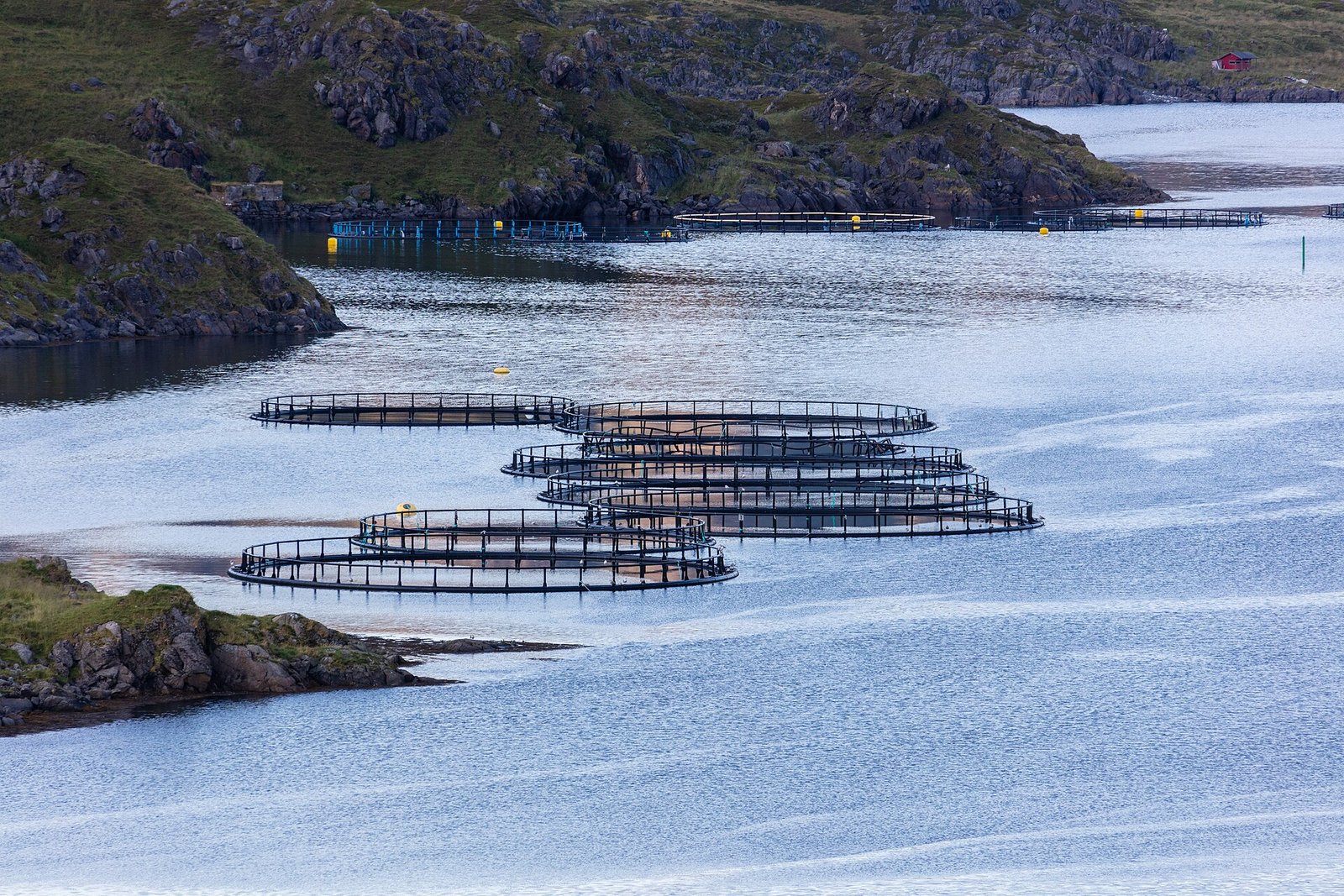
Water Column Stratification Monitoring
Stratification monitoring profiles temperature, salinity, and dissolved oxygen at multiple depths through a site's water column, typically with a lowered multi-parameter sonde or a fixed array of depth-staged sensors, to detect the layering that single-depth surface sensors miss entirely. A site can show perfectly normal surface readings while bottom water sits hypoxic and warm beneath a sharp density interface, a condition that only a vertical profile reveals and that matters directly for cage depth selection, intake pipe placement, and predicting how quickly a storm-driven mixing event will change conditions throughout the column. Modern moored sensor arrays log profiles automatically at set intervals, building a time series that shows not just whether stratification exists but how stable or fragile it is, since a weakly stratified water column can flip to fully mixed with a single strong wind event while a strongly stratified one resists mixing for weeks. Farms on sites with a history of unexplained mortality despite apparently adequate surface water quality frequently discover the cause only after installing depth-profiling monitoring, finding that the actual stress was occurring at a depth the surface sensor never sampled.