Hypoxic Dead Zones
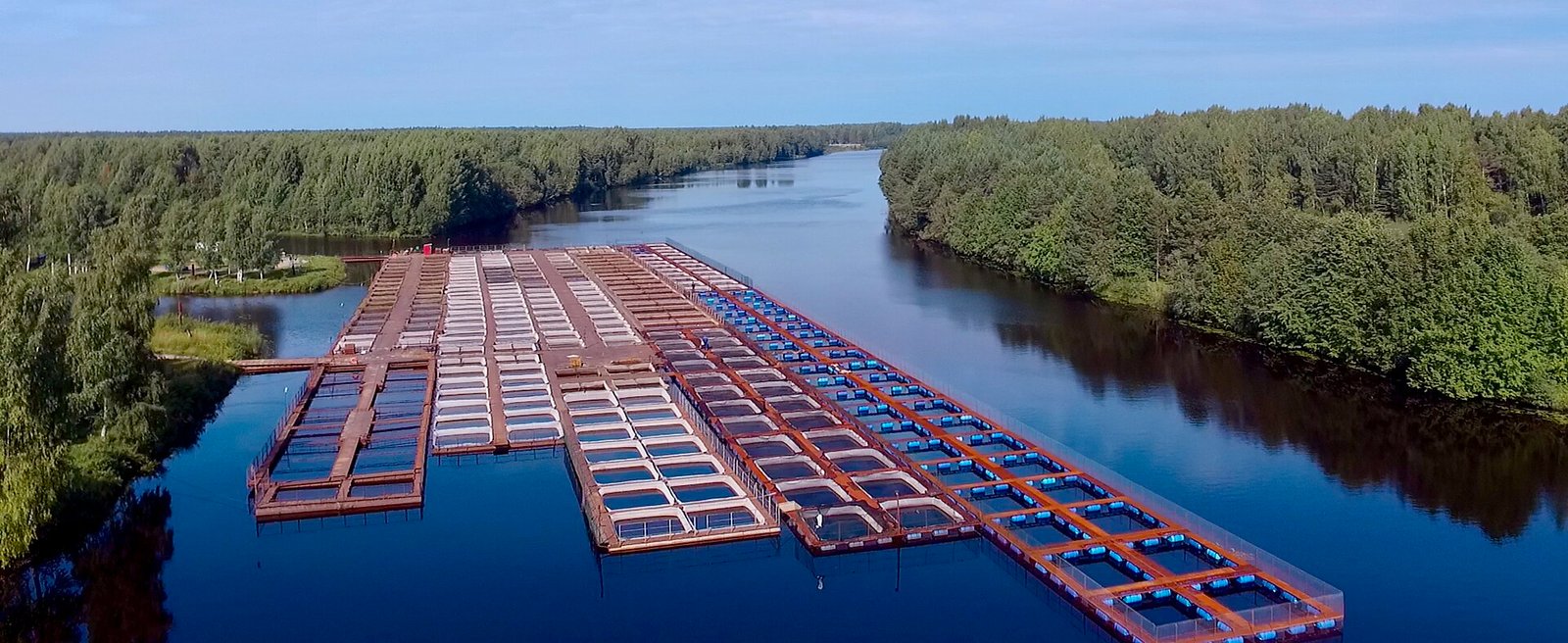
A dead zone is a coastal or estuarine area where bottom-water dissolved oxygen falls below roughly 2 mg/L for extended periods, driven by nutrient-fueled algal blooms whose decomposition after die-off consumes oxygen faster than stratification or weak mixing can replace it, with the Gulf of Mexico, Baltic Sea, and Chesapeake Bay among the largest and longest-monitored examples worldwide. The mechanism is directly relevant to aquaculture sited nearby: nutrient loading from agricultural runoff, urban discharge, and in some documented regional cases aquaculture itself, combines with natural stratification to create seasonal dead zones that can expand to engulf a previously healthy farm site within days of a stratification or wind event, causing mass mortality with no warning beyond a dissolved oxygen sensor reading. Dead zones are mapped and tracked through government and research monitoring networks publishing seasonal extent forecasts, which farms in affected regions increasingly use to time stocking, adjust depth, or schedule temporary harvest ahead of a predicted expansion. Recovery from a dead zone event is slow because sediment oxygen demand remains elevated for weeks after the water column itself re-oxygenates, meaning risk does not end the moment surface conditions look normal again.