




















How to Prepare Fish for Live Hauling: Fasting, Conditioning and Loading
The preparation done in the days before a live haul matters as much as the transport conditions themselves — fasting, conditioning and loading sequence decisions made before the truck even arrives.
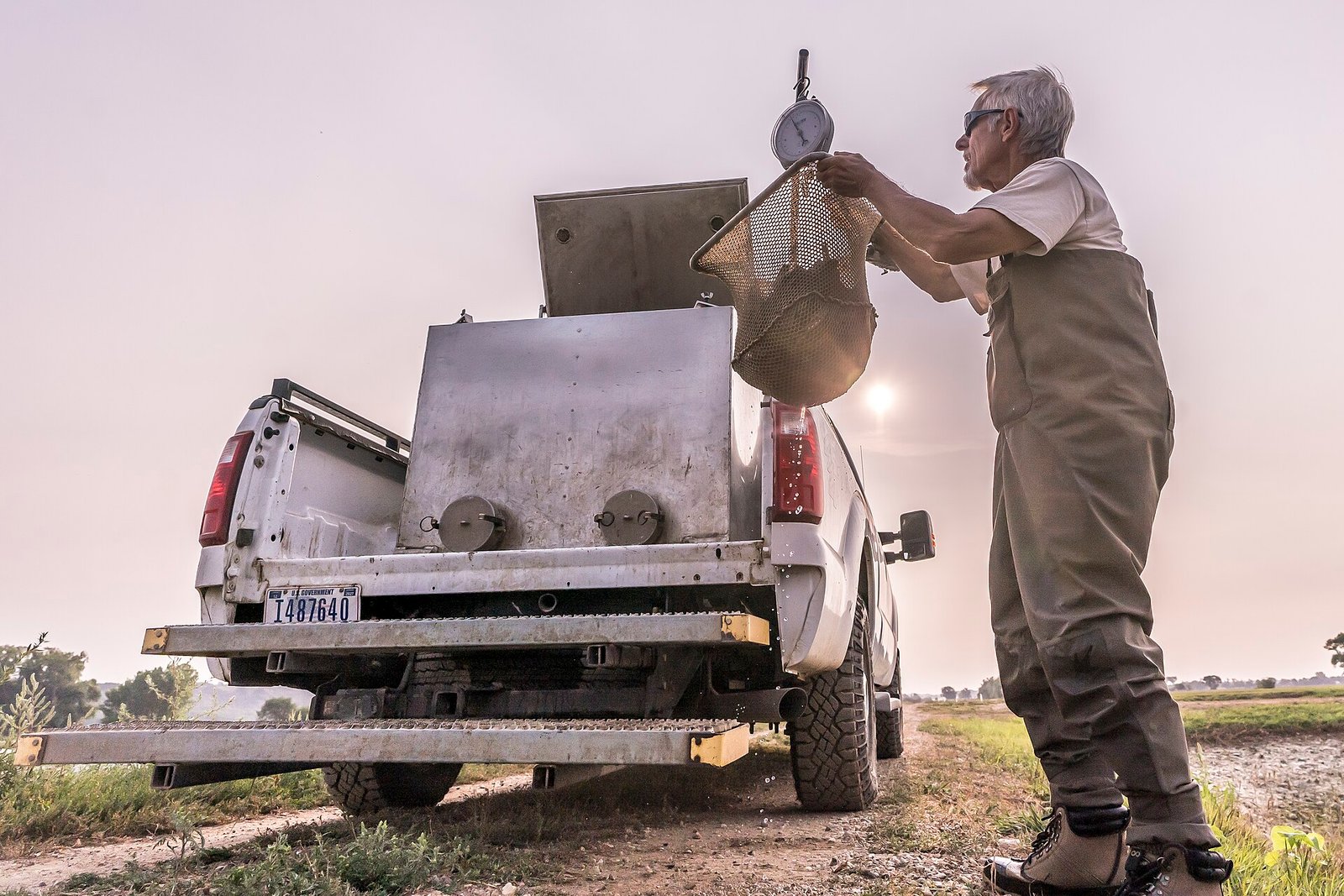
The preparation completed in the days before a live haul matters as much as the transport conditions during the trip itself — fasting timing, pre-haul handling, and loading sequence decisions made before the truck even arrives set up either a smooth, low-mortality transport or one working against avoidable self-inflicted stress from the start.
Pre-haul fasting
Fast fish before live hauling on a similar principle to pre-harvest fasting covered elsewhere in this content cluster, but calibrated to the transport's specific duration and purpose rather than assuming identical timing — a shorter local transfer may need less fasting than an extended haul, since the primary goals (reduced gut content and metabolic waste output during transit) scale with how long fish will actually be confined in transport water. Confirm fasting duration against water temperature, since warmer conditions clear gut content faster than cold water, following the same temperature-adjustment logic covered in the pre-harvest fasting guide.
Pre-haul handling and stress reduction
Minimize unnecessary handling and disturbance in the immediate period before a planned haul — fish entering transport already stressed from recent unrelated handling tolerate the transport stress itself less well than fish that were calm and undisturbed beforehand. Where pre-haul health checks or other necessary handling must occur, schedule them with adequate recovery time before the haul itself, not immediately beforehand where the two stress events would compound.
Loading sequence
- Stage the transport vessel or containers fully prepared — correct water temperature matched to the source system, oxygen system tested and ready — before beginning to load fish, rather than loading into a system still being prepared.
- Load efficiently but without rushing, using the gentle handling technique principles covered in the companion handling stress guide, since the loading process itself is a significant handling event layered on top of the transport that follows.
- Monitor fish behavior during loading, watching for signs the loading process itself is producing excessive stress before the transport portion has even begun — a batch showing poor tolerance during loading warrants pausing and reassessing before continuing, rather than completing loading on schedule regardless of what behavior is signaling.
- Confirm final density and conditions once loading is complete, verifying against the planned parameters from the transport checklist before departure, since loading in practice does not always perfectly match planning assumptions.
Timing the haul around other operational factors
Coordinate haul timing with factors beyond the fish themselves where this affects overall success — cooler parts of the day for temperature-sensitive situations, traffic or route timing that affects actual transit duration, and destination receiving-system readiness confirmed for the actual, not just planned, arrival time. A haul that is well-prepared on the fish-handling side can still underperform if these broader logistics are not coordinated with the same care.
Post-loading, pre-departure final check
Before departure, run a final confirmation that everything planned is actually in place — oxygen system functioning as loaded fish begin consuming it, temperature holding at target, density matching the plan, and destination contact confirmed ready — rather than assuming the planning phase's confirmation remains valid without a final check at the actual moment of departure.
Worked example
A farm preparing a scheduled fingerling sale notices during pre-loading observation that the batch seems unusually skittish, tracing back to a health check that had been performed the same morning rather than with adequate recovery buffer before the haul. Rather than proceeding on the original schedule, the farm delays loading by several hours, giving the fish time to settle from the earlier handling before beginning the transport preparation sequence. The delayed departure means a later arrival than originally planned, communicated promptly to the receiving customer, but the batch arrives in markedly better condition than the farm's experience with previous stacked-handling-event hauls would have predicted — reinforcing the value of treating pre-haul recovery time as a real requirement rather than a flexible nicety to skip under schedule pressure.
Common mistakes
- Scheduling unrelated handling or health checks immediately before a planned haul, compounding stress rather than allowing recovery time.
- Beginning loading before the transport vessel's temperature and oxygen systems are fully prepared and tested.
- Not pausing to reassess if fish show poor tolerance signs during the loading process itself.
- Skipping a final pre-departure check, assuming earlier planning confirmation remains accurate without verification.
Frequently asked questions
How does pre-haul fasting duration compare to standard pre-harvest fasting duration?
The underlying principle is the same (gut clearance, reduced waste output), but duration should be calibrated to the specific transport scenario's actual duration and purpose rather than assuming identical timing to a harvest-destined fasting protocol — a short local transfer may reasonably use a shorter fast than an extended multi-hour haul.
Should fish be sedated for loading and transport?
This depends on species, scale and the specific transport scenario — light sedation can reduce stress and injury during loading and transit for some situations, following the considerations covered in the companion anesthesia and sedation guide, though it adds its own handling and dosing complexity that needs weighing against the benefit for the specific trip.
What's the right response if fish show poor tolerance during loading but the haul is time-sensitive?
Weigh the risk of proceeding against a genuinely time-sensitive constraint, but default toward pausing and reassessing where the schedule allows any flexibility at all — a haul that proceeds despite clear poor-tolerance signals risks a worse outcome (significant transport mortality) than most schedule delays would cost.
How should loading differ for hauling broodstock compared to standard grow-out stock?
Broodstock generally warrant the more conservative handling and lower density standards covered elsewhere in this cluster's broodstock-specific content, reflecting both their higher value and often greater sensitivity — apply the more conservative end of any density or duration guidance range specifically for broodstock hauls.
Does the preparation process differ for a short local transfer versus a long-distance commercial haul?
The core principles (fasting, minimizing pre-haul stress, careful loading) apply to both, but the specific parameters (fasting duration, density conservatism, monitoring intensity) should scale with the transport's actual duration and risk profile — a short local transfer has more margin for minor preparation gaps than an extended haul where any preparation shortfall has more time to compound into a problem during transit.
Related reading
- Live Fish Transport: Oxygen, Density and Temperature
- Live Fish Transport Checklist: Oxygen, Density, Temperature and Duration Limits
- How to Harvest, Count and Pack Fry and Juveniles for Transport
- Pre-Harvest Finishing and Fasting Programmes for Quality and Yield
- How to Move Fish Between Cages or Sites: Transfer SOP
- Anesthesia and Sedation Protocols for Fish Handling and Treatment