




















Seaweed Farm Site Selection: Flow, Light and Nutrient Requirements
A seaweed farm's site is its growing medium in a way few other aquaculture systems depend on quite so directly — the wrong site cannot be compensated for with better on-farm management.
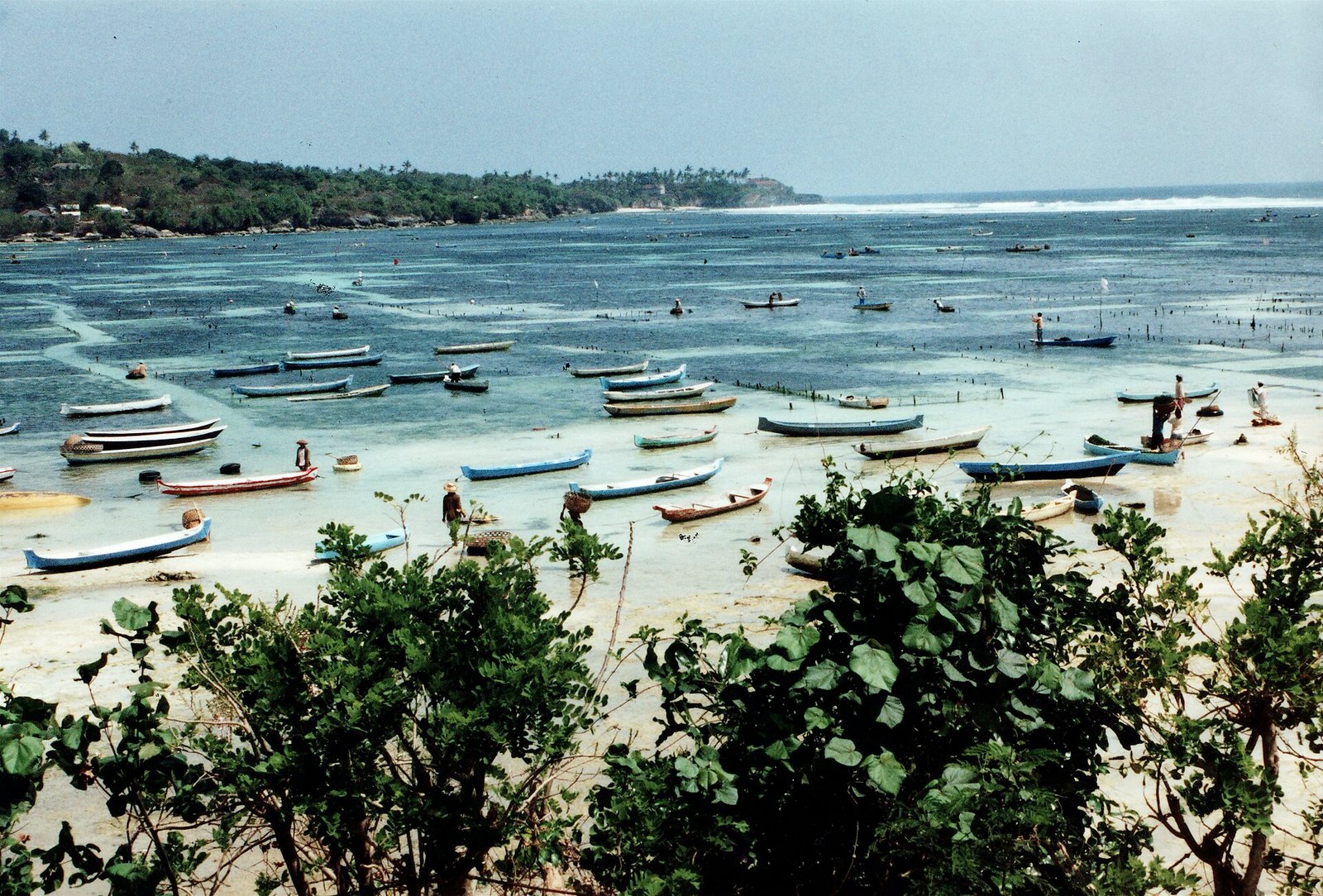
A seaweed farm's site is its growing medium in a way few other aquaculture systems depend on quite so directly, since seaweed draws nutrients, light and physical support almost entirely from the surrounding water column rather than from supplied feed — the wrong site cannot be compensated for with better on-farm management practice the way an underperforming finfish or shellfish site sometimes can be, making site selection the single most consequential decision in establishing a seaweed farm.
Water flow requirements
Adequate water movement delivers fresh nutrients to the growing seaweed and helps prevent the fouling and epiphyte buildup covered in the companion fouling control guide — sites with inadequate flow tend to show slower growth and higher fouling pressure, while excessive flow or wave exposure can create physical damage risk to lines and crop, meaning the ideal site offers flow within a moderate, species-appropriate range rather than either extreme.
Light availability
Seaweed growth depends on adequate light penetration to the depth at which the crop is cultivated — water clarity, depth, and seasonal light variation all factor into whether a site provides adequate light for the target species' full growing season, and a site that looks otherwise suitable but suffers from poor water clarity or excessive depth can underperform on light availability alone regardless of how favorable its other characteristics appear.
Nutrient conditions
Ambient nutrient levels in the water column directly determine achievable seaweed growth rate, since most seaweed farming does not involve supplemental feeding the way finfish or even some shellfish systems might — sites near nutrient-rich water sources (such as areas influenced by upwelling or certain coastal conditions) often support notably better seaweed growth than nutrient-poor sites, making ambient water nutrient assessment a core part of site evaluation rather than an afterthought.
Combining factors in site evaluation
No single factor in isolation determines site suitability — a site with excellent nutrient conditions but inadequate light, or excellent flow but insufficient nutrients, will still underperform relative to a site balancing all three factors reasonably well. Evaluate candidate sites across flow, light and nutrient conditions together, and consider consulting regional seaweed farming data or experienced local growers where available, since published general guidance can only go so far in substituting for site-specific assessment.
Worked example
An operator selected a site primarily for its sheltered conditions and easy vessel access, assuming these practical advantages would translate to good farming outcomes, without specifically assessing ambient nutrient levels. The resulting crop grew considerably more slowly than the operator's business plan had projected based on general regional seaweed yield figures, and investigation found the sheltered site's water exchange was limited enough to create persistently lower nutrient availability than nearby more exposed sites. Relocating a subsequent crop to a site with better flow and nutrient exchange, even though it required somewhat more challenging vessel access, brought growth performance back in line with regional expectations.
Common mistakes
- Selecting a site primarily for practical convenience (access, shelter) without specifically assessing flow, light and nutrient conditions.
- Evaluating flow, light or nutrient factors in isolation rather than considering how they combine to determine overall site suitability.
- Assuming regional average yield figures will apply to a specific site without confirming that site's actual conditions match the regional norm.
- Underestimating how directly seaweed growth depends on site conditions compared to aquaculture types where feed supply partially offsets site limitations.
Frequently asked questions
How can ambient nutrient levels be assessed before committing to a site?
Water sampling and testing for key nutrient indicators, combined with reviewing any available regional oceanographic or water-quality data for the area, provides a reasonable basis for nutrient assessment — consulting local agricultural extension or marine resource agencies where available can also provide useful regional context.
Does site suitability vary significantly by seaweed species?
Yes, different seaweed species have different specific flow, light and nutrient tolerance ranges, meaning a site well-suited to one species may not suit another — confirm species-specific site requirements rather than assuming general seaweed site-suitability principles apply uniformly across different target species.
Can a marginal site be improved through farming practice rather than relocating?
Some factors (certain fouling-control and line-management practices) can partially offset marginal site conditions, but fundamental flow, light or nutrient limitations are generally difficult or impossible to meaningfully correct through on-farm management alone — site selection remains the primary lever for ensuring adequate growing conditions.
How does seasonal variation affect site suitability assessment?
Site conditions (particularly light and sometimes flow) can vary meaningfully across the growing season, meaning a site assessment should ideally consider conditions across the full intended growing period rather than a single point-in-time snapshot that might miss a seasonal limitation.
Is seaweed farming site selection relevant to integrated multi-trophic systems too?
Yes — see the companion IMTA setup guide for how seaweed's site requirements interact with co-located fish and shellfish components in an integrated system, since IMTA site selection needs to satisfy multiple species' requirements simultaneously.