




















Microalgae Production for Hatcheries
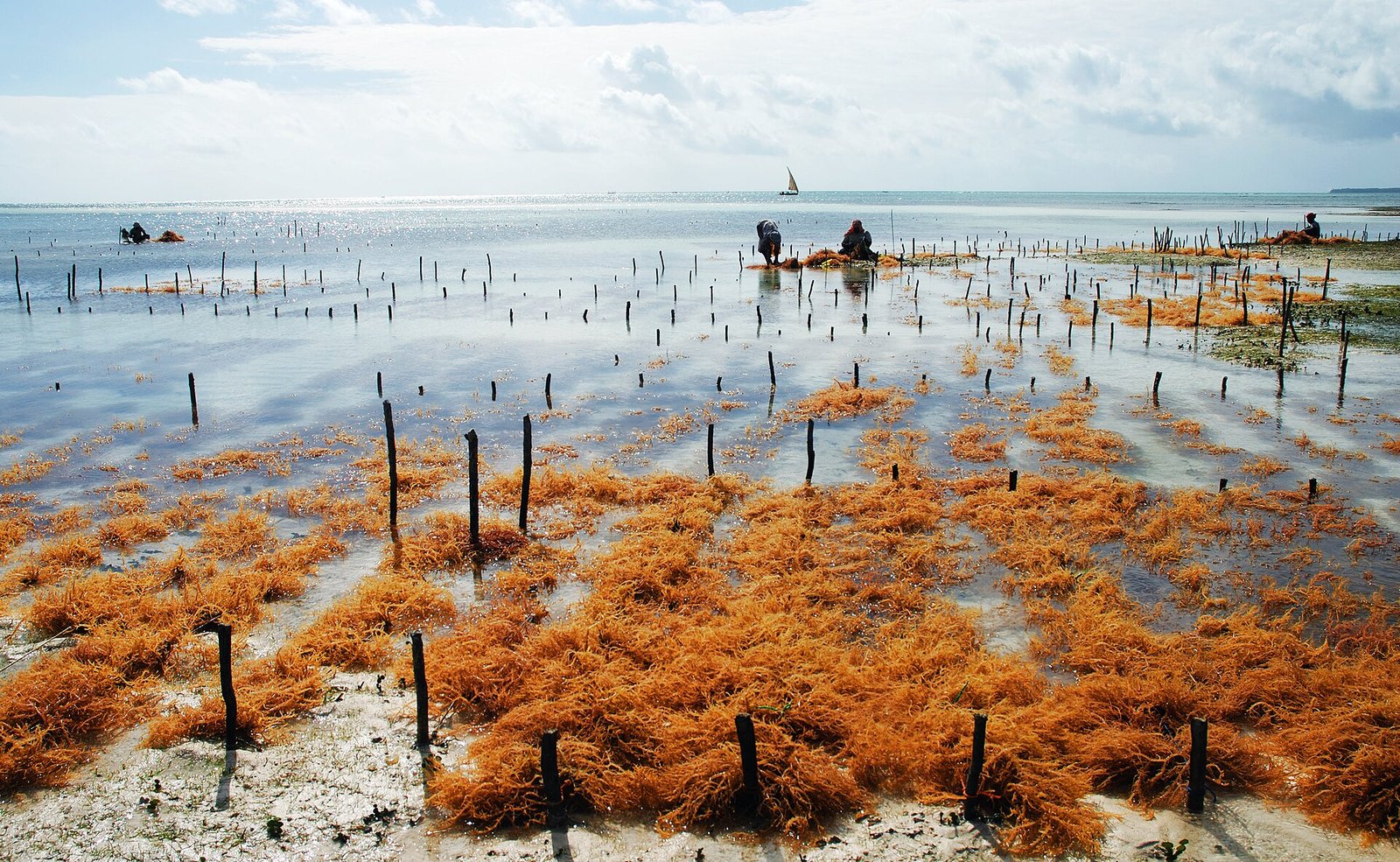
Microalgae culture sits underneath almost every live-feed pathway in a marine hatchery: it's what rotifers filter-feed on before being fed to finfish larvae, and it's commonly fed directly to bivalve larvae (mussel, oyster and similar shellfish) with no intermediate feeding step at all. That makes algae culture reliability the quiet root dependency a surprising share of hatchery production actually rests on, whether staff frame it that way or not.
Why microalgae culture is its own distinct discipline
Growing microalgae at the density and consistency a hatchery needs requires managing light intensity and photoperiod — microalgae are photosynthetic, unlike the heterotrophic bacteria or animal organisms behind rotifer and Artemia culture — plus nutrient dosing formulated specifically for algal growth, temperature, and contamination control against competing algae species or grazing organisms that could overtake a target culture. None of that overlaps much with running a rotifer tank or hatching Artemia cysts. This distinctness is why microalgae culture functions as its own specialised hatchery competency rather than a simple extension of general live-feed skill, and a hatchery strong in rotifer or Artemia management isn't automatically equally strong in microalgae culture without dedicated attention to this specific discipline's own particular requirements.
Species selection for different downstream uses
Different microalgae species suit different downstream feeding purposes, with species selected and cultured specifically based on their nutritional profile match to the target feeding use, whether that's direct bivalve larval feeding or growing a target species to then feed rotifers in the chain discussed above, meaning a hatchery's microalgae species choice isn't a generic, interchangeable decision but one tied directly to what that algae will ultimately be feeding, several steps removed in the case of the rotifer pathway. A hatchery running both bivalve and finfish larval production, or supplying rotifers for multiple purposes, may need to culture more than one microalgae species simultaneously to match each specific downstream nutritional requirement, adding genuine operational complexity beyond running a single universal algae culture for every purpose.
Culture crash risk and prevention
Microalgae cultures carry the same population-crash risk as the rotifer cultures that depend on them: contamination from competing organisms, nutrient depletion if dosing doesn't keep pace with growth, or light and temperature drifting outside the culture's tolerance range. A crash here cascades directly into whatever rotifer culture or bivalve larval feeding depends on that specific batch being ready on schedule, which is why algae monitoring deserves the same continuous attention rotifer culture gets — a microalgae crash doesn't just cost the algae, it propagates forward into every feeding dependency downstream of it.
Live culture versus commercial algal paste
Hatcheries face a genuine choice between maintaining on-site live microalgae culture, which demands dedicated infrastructure, expertise and the crash-risk management described above, or buying commercial algal paste or concentrate instead — trading culture-management burden for dependency on an external vendor's product consistency and delivery reliability. It's the same bargain Artemia buyers make with purchased cysts. Commercial algal paste genuinely simplifies operations, especially for smaller hatcheries without dedicated algae expertise on staff, but it shifts the risk rather than removing it: a hatchery still needs to vet that vendor's batch consistency, not assume a purchased substitute is automatically safer than growing it themselves.
Scaling production to match hatchery-wide demand
Because microalgae demand scales with however many rotifer cultures and bivalve larval batches a hatchery is running at once — the same staggered, continuous-production pattern that governs rotifer culture itself — algae capacity needs to be planned against the hatchery's full concurrent production schedule, not any single downstream batch's need in isolation. A hatchery expanding its finfish larval or bivalve production without correspondingly scaling microalgae culture capacity risks becoming algae-supply-constrained in a way that limits overall hatchery output regardless of how much rotifer culture or larval-rearing tank capacity the hatchery has otherwise built, making microalgae capacity planning a genuine, sometimes underappreciated constraint on overall hatchery scale.
Building reliability through redundancy and record-keeping
As with rotifer culture, maintaining multiple microalgae culture vessels at staggered growth stages provides a buffer against any single culture's crash or underperformance, and systematic record-keeping tracking culture performance, contamination incidents and growth rates across successive batches builds the hatchery-specific operational knowledge that progressively improves microalgae culture reliability over time, following the same disciplined-practice principle discussed throughout this series' hatchery and live-feed coverage. A hatchery treating microalgae culture as a background utility rather than a managed production process in its own right is accepting more crash risk and less reliability than the discipline applied to its more visibly prominent rotifer and larval-rearing operations would suggest is actually warranted given how directly those operations depend on the algae culture succeeding first.
Culture vessel types and scaling stages
Commercial microalgae production typically progresses through a staged scaling sequence, starting from small, carefully protected starter cultures maintained under tightly controlled conditions and progressively scaled up into larger vessels as volume needs grow, rather than attempting to maintain every production batch at full final scale from the start. This staged approach protects the genetically and operationally valuable starter culture from the higher contamination risk larger, less tightly controlled vessels inevitably carry, since a contamination event in a large production-scale vessel is both more consequential in terms of lost volume and, if caught early enough, recoverable by restarting from the protected starter culture rather than losing the entire production line's genetic and operational continuity. A hatchery's microalgae operation should maintain this kind of protected starter-culture practice deliberately rather than treating every vessel as equally expendable, since the starter culture represents a harder-to-replace asset than any single production-scale batch.
Nutrient dosing precision and its downstream effects
Nutrient dosing for microalgae culture needs to be calibrated specifically to the target algae species' growth requirements and the culture's current density and growth stage, since both under-dosing (limiting growth rate and potentially affecting the algae's own nutritional composition relevant to its downstream feeding purpose) and over-dosing (wasting nutrient cost and potentially fouling water quality or favouring contaminating organisms over the target algae) carry real costs. This dosing precision connects directly to the species-selection discussion above: an algae species cultured specifically for its nutritional profile match to a downstream feeding purpose can still underdeliver on that intended nutritional benefit if nutrient dosing during culture doesn't support the algae reaching its own full nutritional potential, meaning culture management and the ultimate nutritional purpose the algae serves aren't fully separable considerations.
Seasonal and site-specific light management
For hatcheries relying partly or fully on natural light rather than fully artificial, controlled lighting, seasonal variation in day length and light intensity affects microalgae growth rate in a pattern that echoes the temperature-driven seasonal appetite variation discussed elsewhere in this series for grow-out feeding, meaning a microalgae culture programme calibrated for one season's light conditions may need adjustment, supplemental artificial lighting, or revised growth-timeline expectations for a different season rather than assuming consistent year-round performance from an unchanged protocol. Hatcheries in regions with pronounced seasonal day-length variation should factor this into their microalgae production planning explicitly, treating light as a managed input variable subject to its own seasonal curve much as temperature is treated elsewhere in this series' feeding content.
Cost comparison over a hatchery's operating lifetime
While commercial algal paste offers clear near-term operational simplification relative to on-site culture, as discussed above, the long-run cost comparison between the two approaches depends heavily on a hatchery's actual production volume and operating duration, since on-site culture's higher upfront infrastructure and expertise investment can pay back over a longer operating horizon through lower per-unit algae cost at sufficient scale, while a smaller or shorter-horizon operation may never reach the volume where that infrastructure investment's cost advantage actually materialises relative to simply purchasing commercial paste throughout. A hatchery should model this cost comparison against its own actual anticipated production volume and planning horizon rather than assuming either approach is universally more cost-effective regardless of scale, since the crossover point between the two approaches' relative economics depends directly on volume and duration assumptions specific to that hatchery's own situation.
Frequently asked questions
Why does microalgae culture matter even for hatcheries not directly feeding algae to their target species?
Rotifers, the standard first live feed for finfish larvae, filter-feed on microalgae, so even a hatchery whose target species never eats algae directly still depends on algae culture indirectly through the rotifer chain feeding its larvae.
What makes microalgae culture different from rotifer or Artemia management?
Microalgae are photosynthetic, requiring light intensity and photoperiod management distinct from the heterotrophic bacterial or animal-based live feeds discussed elsewhere, plus specific nutrient dosing and contamination control against competing organisms, making it its own distinct hatchery competency.
Should a hatchery culture its own microalgae or buy commercial algal paste?
It depends on scale and available expertise. On-site culture demands dedicated infrastructure and crash-risk management but avoids supply-chain dependency; commercial algal paste simplifies operations but introduces its own quality-consistency and vendor-reliability considerations worth vetting carefully.
What happens if a microalgae culture crashes?
The crash cascades forward into whatever rotifer culture or bivalve larval feeding depends on that specific batch, since those downstream processes can't proceed on schedule without the algae they were planned around being ready when needed.
Can microalgae supply become a hidden bottleneck on overall hatchery capacity?
Yes. If a hatchery expands finfish larval or bivalve production without correspondingly scaling microalgae culture capacity, algae supply can become the limiting factor on overall output regardless of how much rotifer culture or larval tank capacity exists elsewhere in the hatchery.
Does on-site culture or purchased algal paste cost less over time?
It depends on volume and horizon. Culture infrastructure pays back through lower per-unit cost only once production reaches a certain scale over a long enough operating period; a small or short-horizon operation often never reaches that crossover and comes out ahead buying paste throughout. Model this against your own volume and timeline rather than assuming either answer applies universally.
Key takeaways
- Microalgae culture is the root dependency underneath most marine hatchery live-feed pathways, feeding bivalve larvae directly or feeding the rotifers that feed finfish larvae.
- It's a genuinely distinct hatchery discipline from rotifer or Artemia management, requiring light, nutrient and contamination management specific to photosynthetic organisms.
- A microalgae culture crash cascades directly into whatever downstream rotifer or bivalve feeding process depends on that batch, making crash prevention a hatchery-wide priority, not just an algae-specific one.
- The choice between on-site live culture and commercial algal paste trades culture-management burden for supply-chain dependency, a decision that should match hatchery scale and available expertise.
- Microalgae capacity planning needs to match the hatchery's full concurrent production schedule, since under-scaled algae capacity can become a hidden bottleneck limiting overall hatchery output.
Related reading
- Live Feeds: Rotifer Culture Step by Step
- Rotifer Culture SOP: Daily Feeding, Harvest and Density Management
- Copepod Culture for Marine Fish Larvae: Setup and Harvest Routine
- Microalgae Starter Culture: Maintaining a Clean Stock Culture Without Contamination
- Scaling Up Microalgae Production from Flask to Outdoor Tank
- Artemia Hatching and Enrichment Protocols