Calcium Hardness
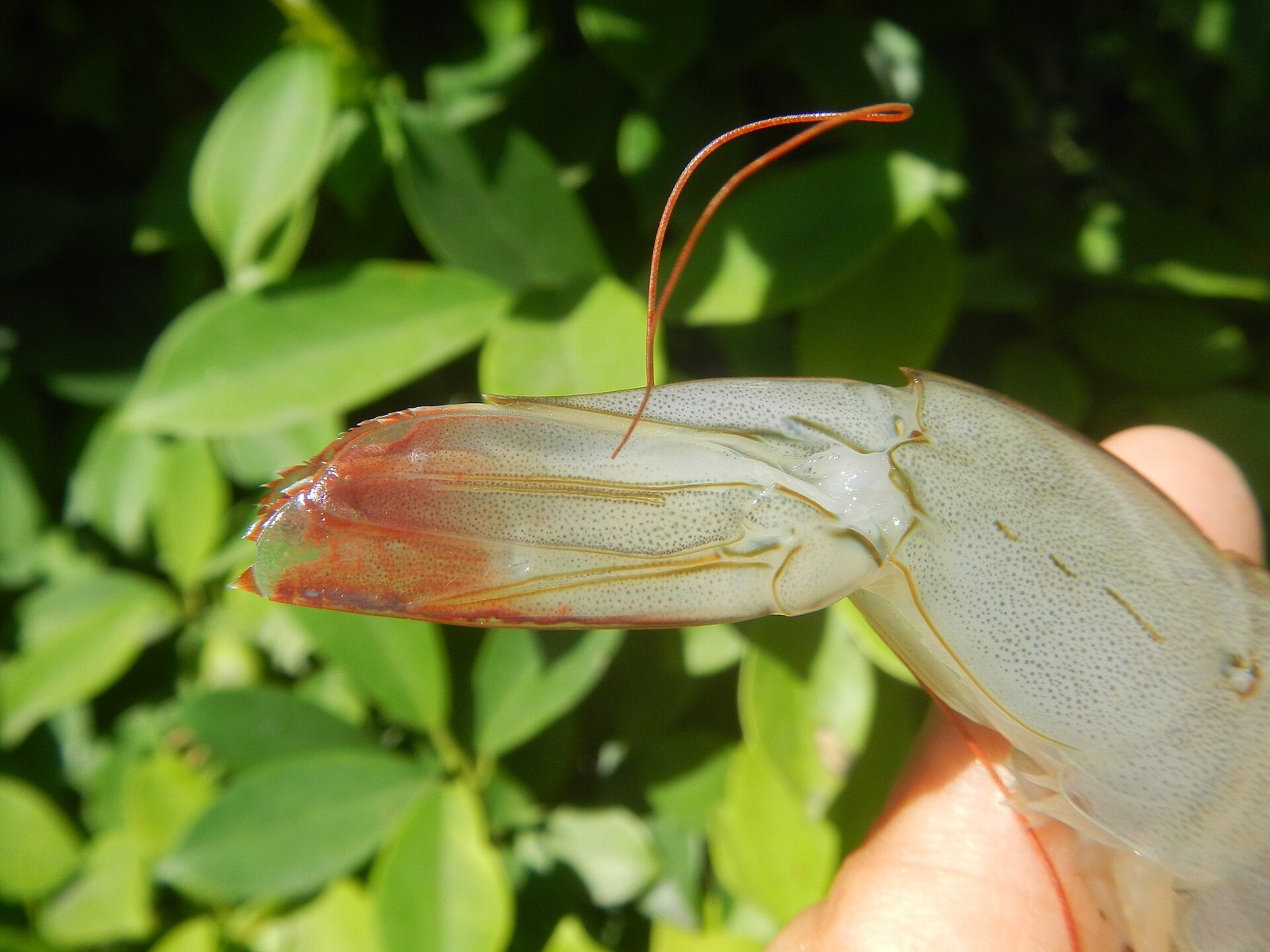
Calcium hardness is the portion of total hardness attributable to dissolved calcium ions (Ca2+), expressed as mg/L CaCO3. It is a critical limiting parameter for crustaceans and mollusks: shrimp, prawns, crayfish, and oysters need adequate calcium to mineralize new exoskeletons after molting and to build shells, and deficiency shows as soft shells, failed molts, cannibalism on recently molted animals, and slow growth. Shrimp ponds are typically managed at 100-200 mg/L total hardness with calcium levels around 50-150 mg/L depending on species and salinity; freshwater crayfish and tilapia also benefit from calcium above roughly 50-75 mg/L for bone and scale development. Calcium is measured by titration with EDTA or by ion-selective probe, distinguishing it from magnesium. Sources are agricultural lime (calcium carbonate), gypsum (calcium sulfate, which adds calcium without raising pH), and calcium chloride for quick correction. For farmers the practical point is timing: liming before stocking and after heavy rains replaces calcium washed out by dilution, and maintaining adequate calcium hardness reduces molting mortality and uneven growth at the head of the crop.