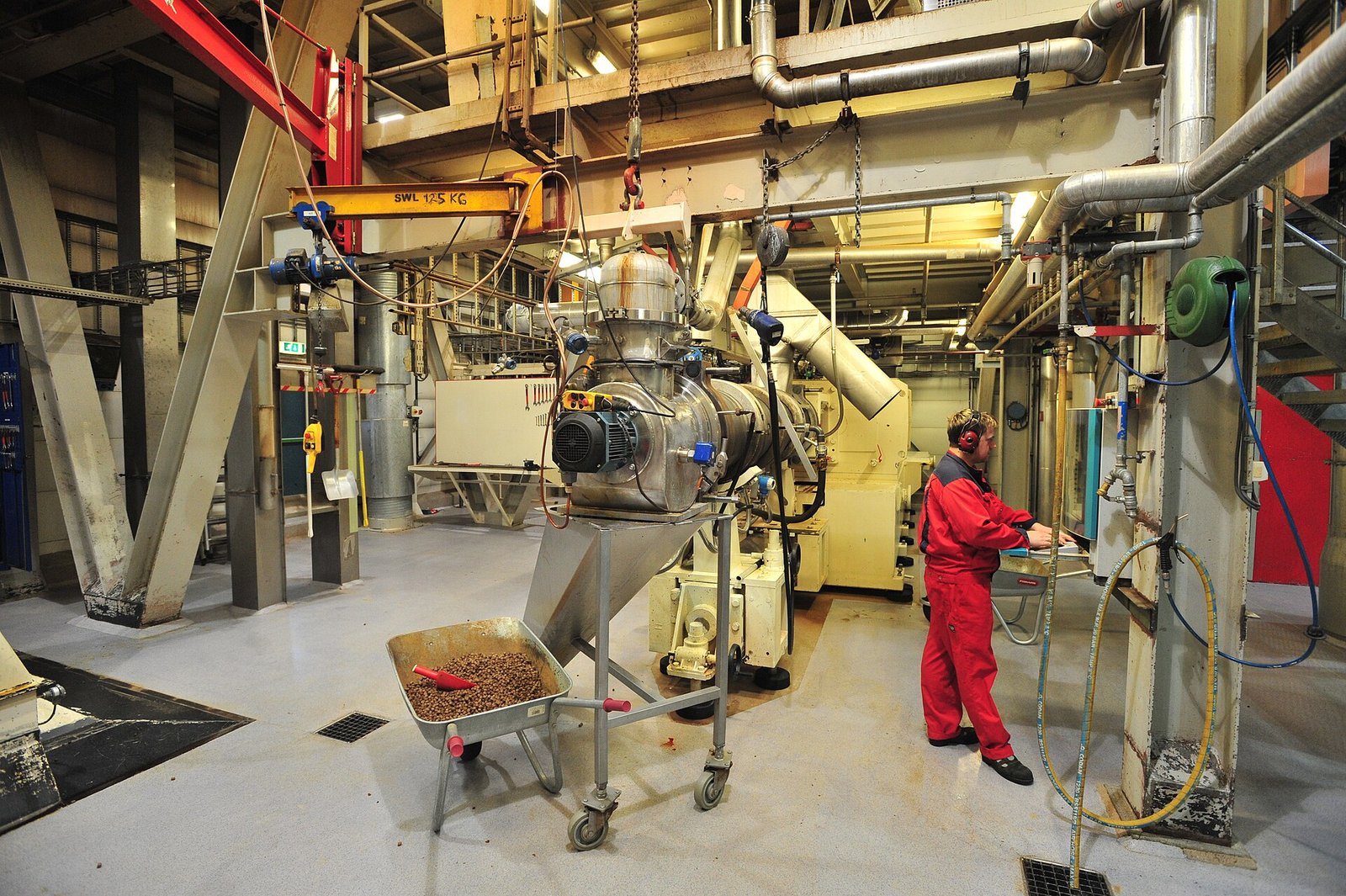
Foreign Material and Metal Detection
Foreign material control manages the risk of physical contaminants, metal fragments from processing equipment, glass, plastic, bone fragments, entering finished seafood product, through a combination of preventive measures (equipment maintenance programs reducing fragment-shedding wear, glass and brittle plastic policies restricting their presence in production areas) and detection technology that inspects every unit or package before it leaves the facility rather than relying on prevention alone to guarantee a contaminant-free product. Metal detectors, the most common inline detection technology, pass product through a magnetic field and flag disruptions caused by metal fragments, with sensitivity calibrated to detect fragments down to a specified minimum size for ferrous, non-ferrous, and stainless steel separately, since stainless steel is notoriously harder to detect at small fragment sizes than ferrous metal and requires correspondingly tighter calibration tolerances. X-ray inspection systems, increasingly used alongside or instead of metal detectors, can additionally detect non-metallic foreign material such as glass, bone, and dense plastic by density contrast, a capability metal detection alone cannot provide, making X-ray the more comprehensive but typically more expensive detection technology. Detector performance verification using calibrated test pieces of known size and material run through the line at defined intervals, not just initial installation calibration, is the standard control proving the detection system is actually functioning at its rated sensitivity throughout a production run rather than only at setup.