Pasteurellosis (Fish)
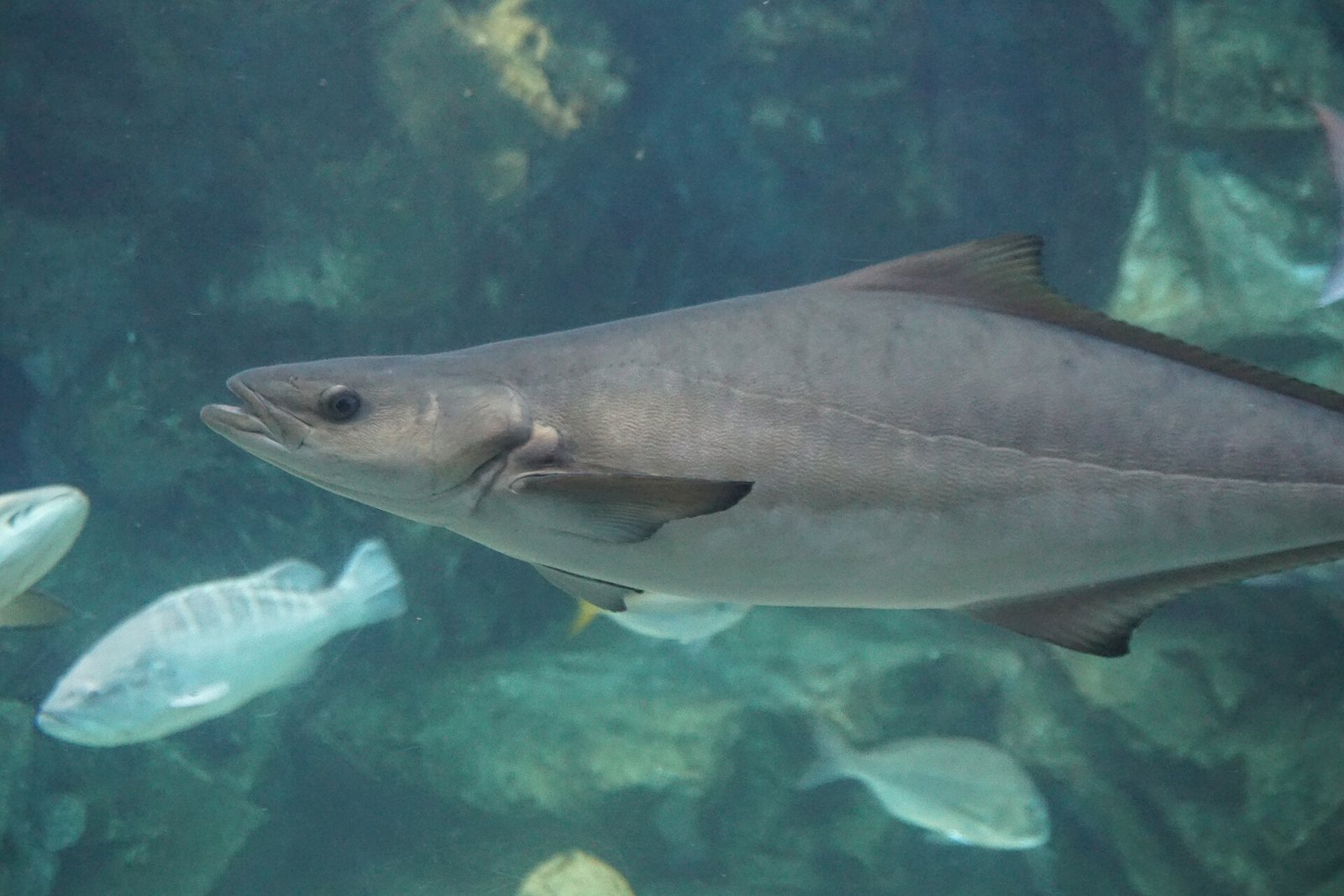
Pasteurellosis in fish, often called pseudotuberculosis or fish pasteurellosis, is a bacterial disease caused by Photobacterium damselae subspecies piscicida, formerly Pasteurella piscicida, a Gram-negative bacterium of marine and brackish environments. It affects yellowtail, sea bass, sea bream, sole, cobia, and hybrid striped bass, among others. The disease is expressed as acute septicemia with sudden high mortality, pale gills, darkened skin, and internally numerous small white granuloma-like nodules distributed through the spleen, kidney, and liver, giving organs a mottled appearance. Outbreaks occur at water temperatures of about 22 to 28°C and are frequently triggered by stress, poor water quality, or parasitic insult; mortality can exceed 50 percent of a cage or tank population within days. For marine farmers pasteurellosis is a classic warm-season disease of grow-out systems. Prevention is the most effective strategy: vaccination, commercially available for yellowtail and other species, provides strong protection, and maintaining stable oxygen, low ammonia, and calm handling conditions reduces outbreak severity. Antibiotic treatment must start early and be guided by sensitivity testing. Because the bacterium persists in biofilms and sediment, fallowing and thorough net and equipment cleaning between crops reduce carryover, and quarantine remains essential for incoming fingerlings.