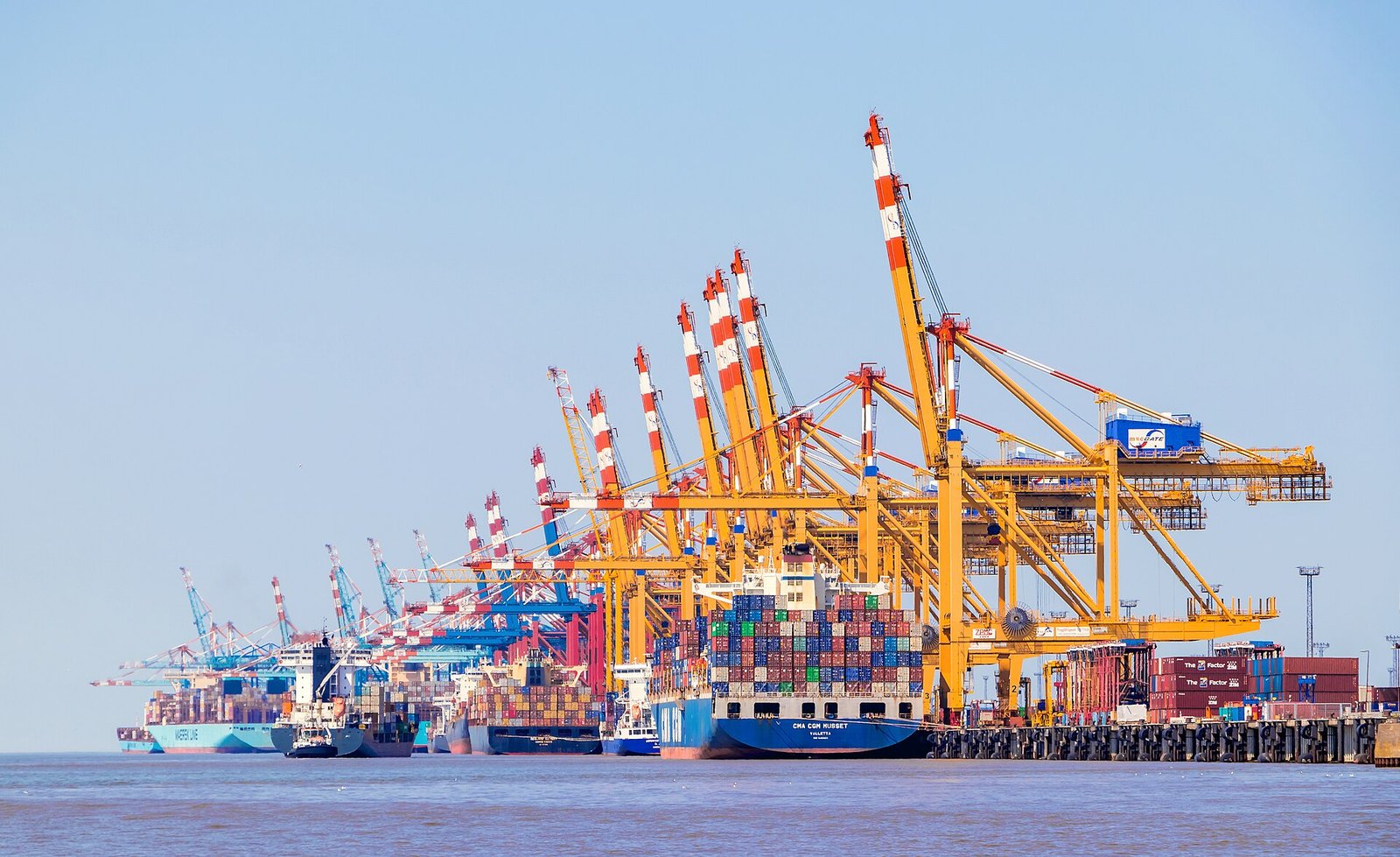
Service Vessel Dynamic Positioning
Dynamic positioning uses GPS reference, motion sensors, and computer-controlled thrusters to hold a vessel automatically within centimeters of a fixed position and heading without anchoring, letting cage-service vessels, net cleaners, and delousing barges maintain position alongside a moving, wave-exposed net pen in open or exposed coastal water where dropping an anchor is impractical or would damage mooring lines and seabed habitat. The system continuously compares actual position against a programmed setpoint and adjusts thruster output many times per second to counteract current, wind, and wave drift, a capability that has become standard on offshore and exposed-site service fleets as farms move into higher-energy locations beyond sheltered fjords and bays. Reliability depends on redundant position reference sources and backup power, since a DP failure next to a loaded cage risks collision damage to netting and mooring infrastructure, which is why classification societies apply tiered DP redundancy standards (DP1 through DP3) based on the consequence of a single system failure. For operations such as net changes, biomass counting, or wellboat loading at an offshore site, DP capability is now frequently a contract specification rather than an optional feature.