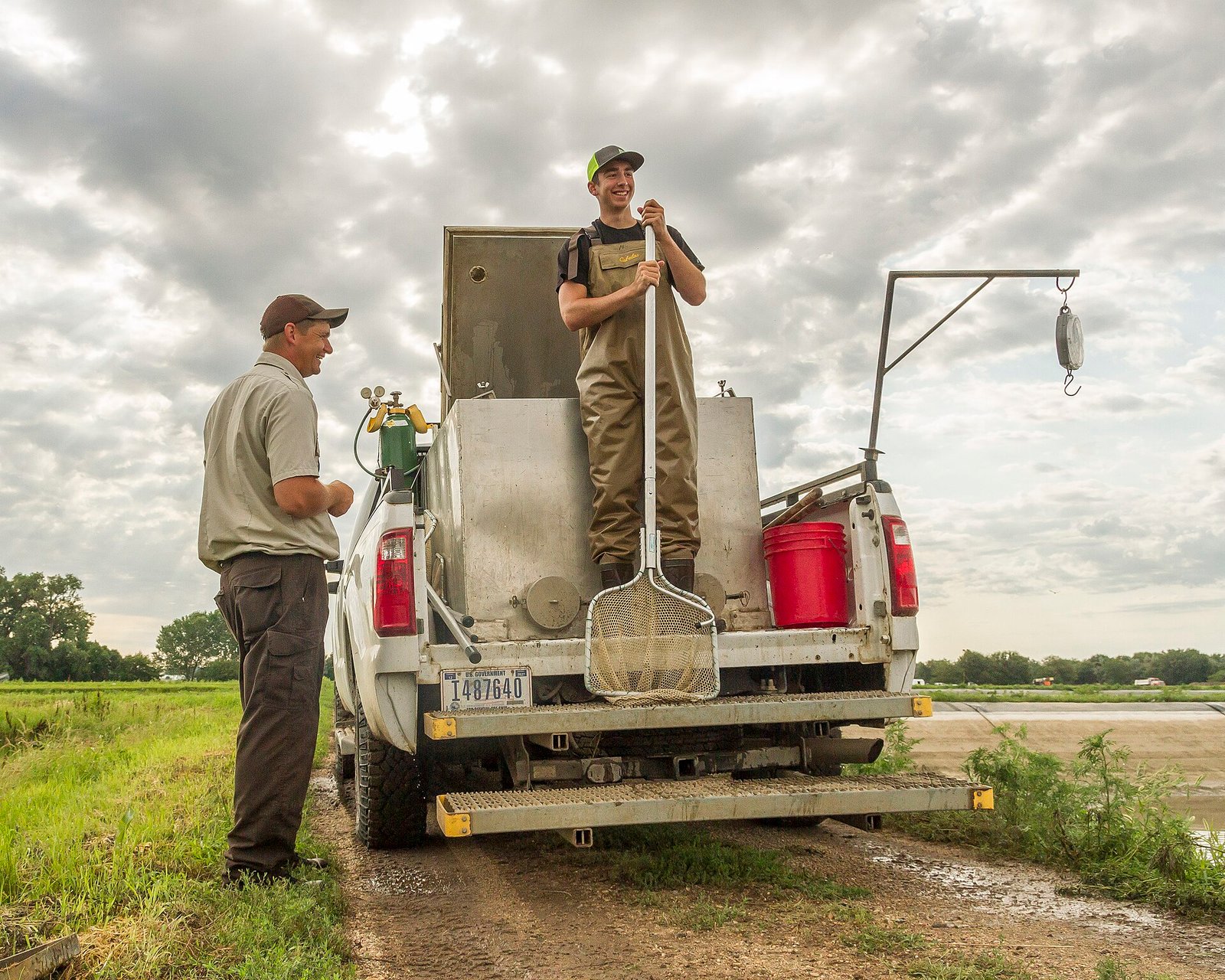
Participatory Research Methods in Aquaculture
Participatory research actively involves farmers themselves in defining research questions, designing on-farm trials, and interpreting results, rather than researchers alone determining what questions are worth studying and farmers only passively receiving the eventual findings afterward, an approach grounded in the recognition that farmers often possess detailed, locally specific practical knowledge, about seasonal conditions, locally available resources, culturally specific constraints, that purely researcher-driven research agendas developed without farmer input can overlook entirely, potentially producing technically valid but practically irrelevant or poorly fitted research findings. On-farm trials conducted collaboratively with farmers, testing a new practice or input directly within a farmer's own real production system rather than only in a controlled research station environment, generate findings with arguably stronger direct relevance and credibility to the broader farming community than research-station-only findings, since on-farm trial results are inherently demonstrated under the kind of real, variable local conditions that a research station's more controlled, often atypically favorable environment does not fully replicate. Participatory methods require researchers to genuinely share decision-making influence over the research process with farmer participants rather than token or superficial consultation that leaves actual research design and interpretation entirely in researcher hands regardless of farmer input gathered, a distinction that participatory development literature has emphasized matters considerably to whether a given program achieves genuine participatory research benefits or only a surface-level participatory label without the substantive collaborative practice the approach is actually meant to embody. Documented participatory aquaculture research programs have in several cases surfaced genuinely useful local innovations and adaptations that purely institutional research had not previously identified or validated, supporting the broader case that participatory approaches can generate research value beyond simply improving farmer buy-in and adoption of externally generated findings, contributing genuinely new technical knowledge back into the broader research base as well.