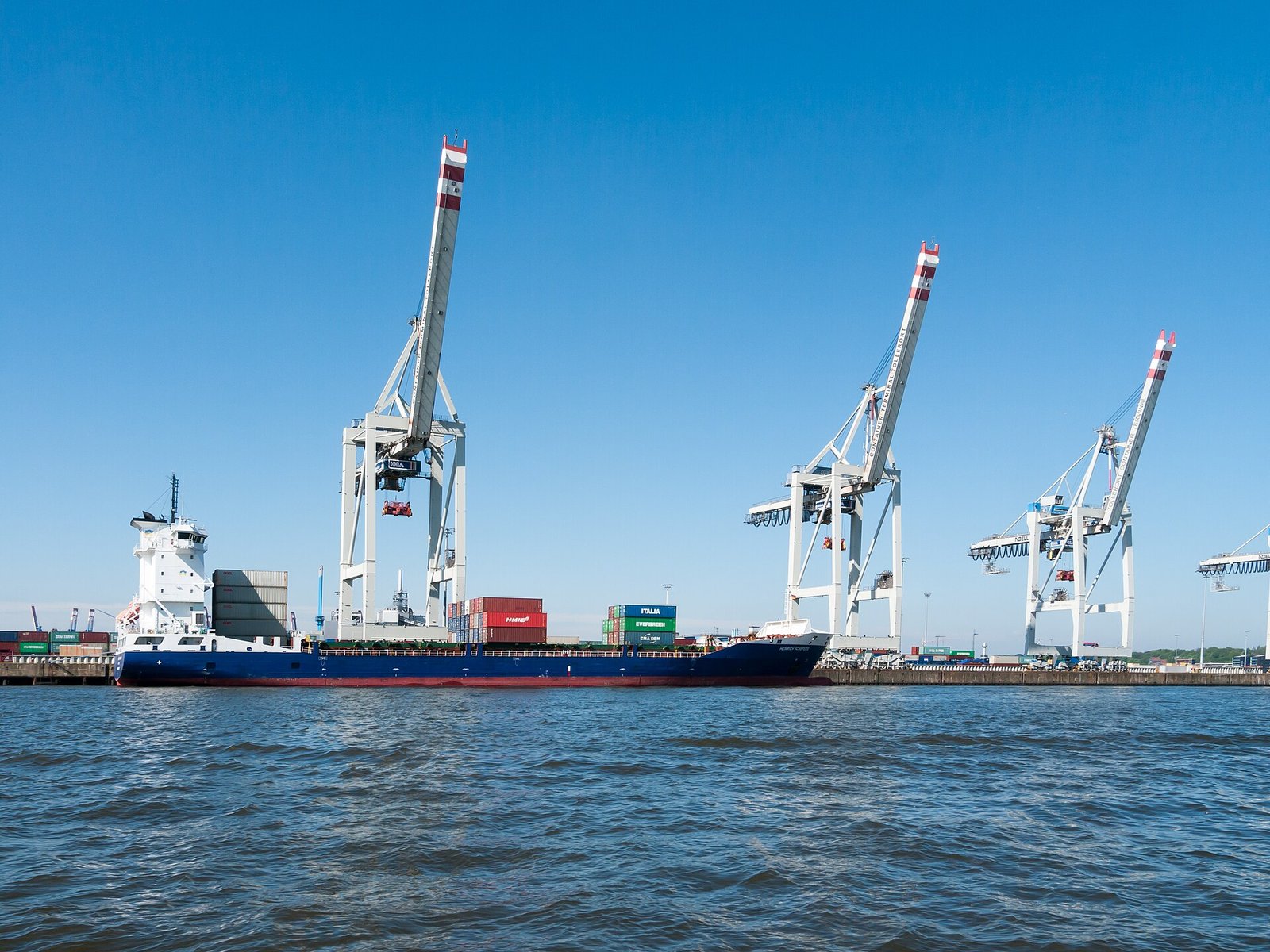
Ballast Water Management (IMO)
Ships take on seawater ballast for stability and discharge it elsewhere, and because that water carries live plankton, larvae, and pathogens, the International Maritime Organization's Ballast Water Management Convention (in force since 2017) requires vessels above a certain tonnage to treat ballast water to a biological discharge standard before release, typically using UV disinfection, electrochlorination, or filtration-plus-chemical systems certified to kill or inactivate the vast majority of organisms down to size classes measured in micrometers. For aquaculture, ballast discharge near a farm site is a recognized introduction pathway for invasive species, harmful algal bloom cysts, and finfish or shellfish pathogens that have caused documented regional disease outbreaks after a single uncontrolled discharge event. Farms sited near major shipping lanes or ports increasingly factor ballast water exchange zones and discharge restrictions into site risk assessments alongside current patterns and HAB history. Compliance is verified through a ballast water record book and periodic port state inspections, and non-compliant discharge can trigger the same biosecurity response protocols used for a disease outbreak of unknown origin.