Genomic Selection Training Population Design
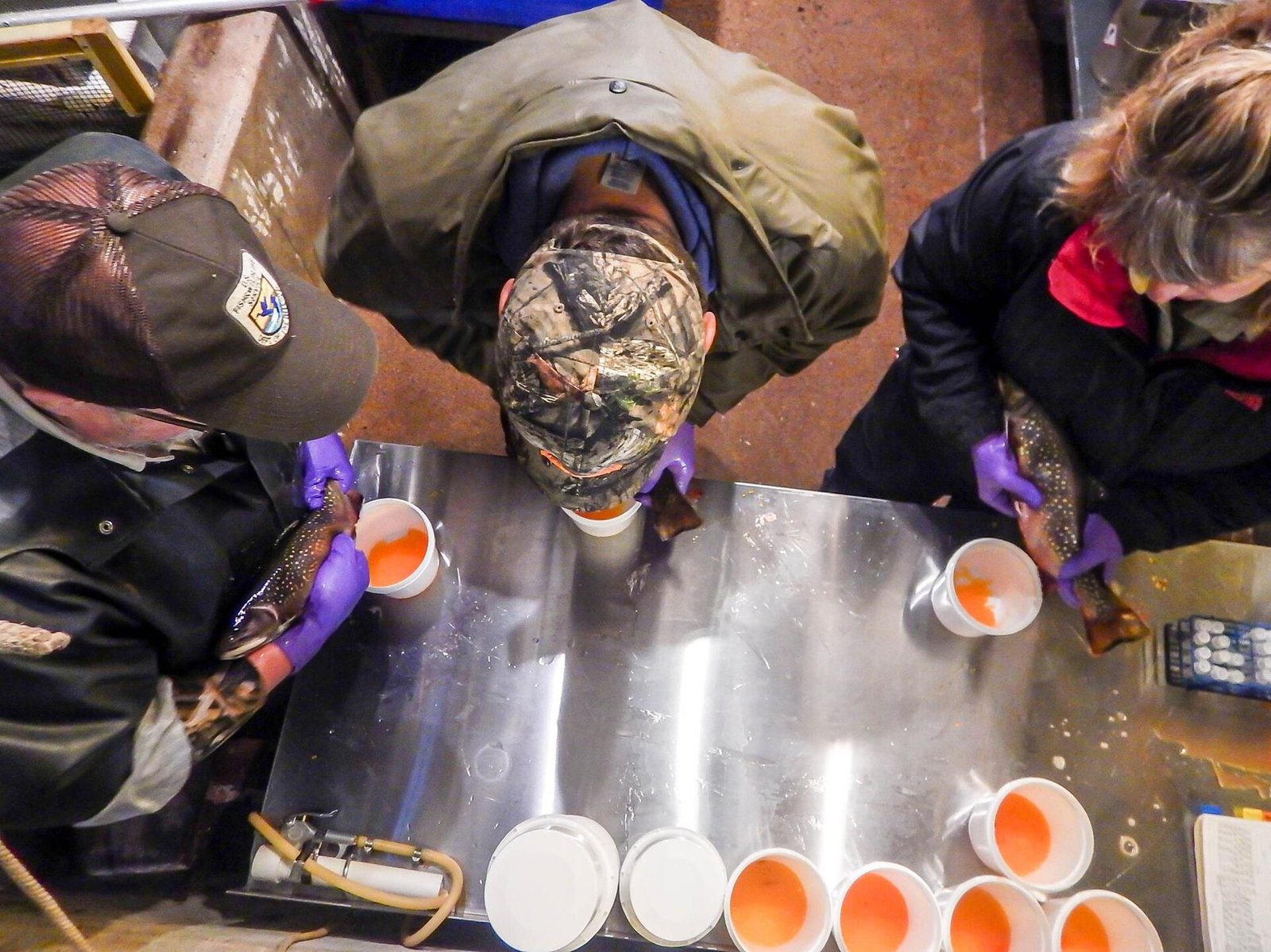
The training population, also called the reference population, in a genomic selection program consists of individuals with both genomic marker data and recorded phenotype measurements for the target trait, and the statistical relationship learned from this training population is what the breeding program then applies to predict breeding values for new, younger candidate animals that have genomic data but have not yet been phenotyped for that trait, making the training population's size, composition, and relevance to the current breeding population directly determinant of how accurate resulting genomic predictions for new candidates will actually be. A training population too small or too distantly related to the current candidate population being evaluated produces unreliable, lower-accuracy predictions regardless of how sophisticated the underlying statistical genomic prediction method applied to that training data is, meaning breeding programs must continuously update and expand their training population with each new generation's phenotype and genotype data specifically to maintain prediction accuracy as the breeding population's genetic composition gradually shifts over successive generations of selection. For disease-resistance traits specifically, building an adequate training population typically requires a dedicated challenge test, deliberately exposing a representative sample of the breeding population to the pathogen of interest under controlled conditions and recording each individual's survival or disease severity outcome, since disease resistance phenotypes are rarely available from ordinary production conditions where exposure and disease pressure are uncontrolled and inconsistent across the population. Training population design decisions, how large a sample to phenotype for a new or updated trait, how frequently to refresh the training population with new generational data, directly affect a breeding program's ongoing operating cost, since phenotyping, particularly for traits requiring a dedicated challenge test or destructive sampling, is typically far more expensive per individual than genomic marker genotyping alone, making training population size and refresh frequency a genuine, carefully weighed cost-versus-accuracy trade-off decision rather than a straightforward choice to simply maximize training population size without cost consideration.