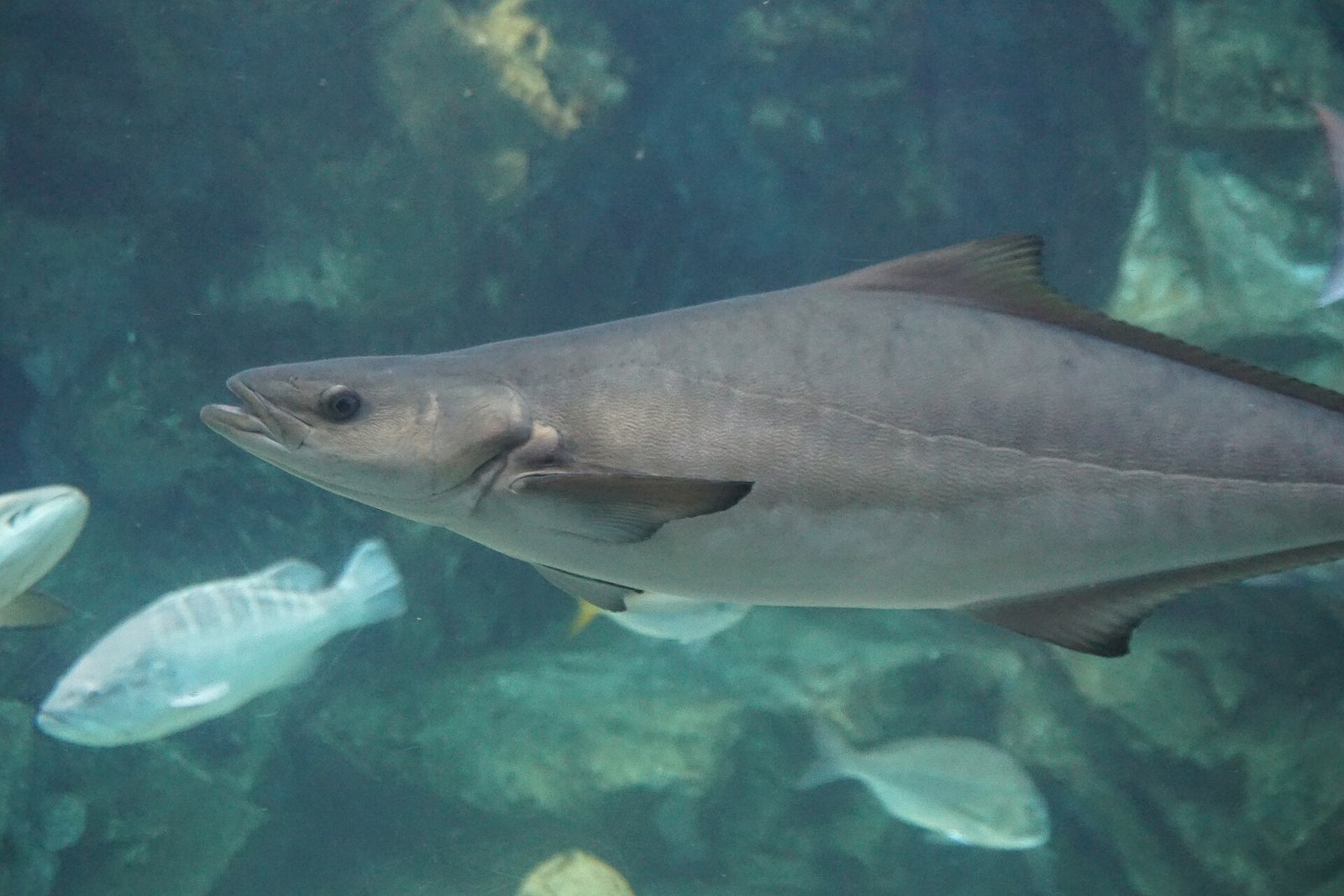
Cobia Farming
Cobia (Rachycentron canadum) is among the fastest-growing marine finfish used in aquaculture, capable of reaching 4-6 kg within a single year from a juvenile stocked at 10-20 g, a growth rate that initially drove strong commercial interest across tropical and subtropical regions including Vietnam, China, Taiwan, Panama, and parts of the US Gulf Coast. That speed comes with real trade-offs: cobia require high dietary protein and lipid levels, show feed conversion ratios in the 1.8-2.5 range typical of fast-growing carnivorous marine species, and are notably susceptible to Amyloodinium (marine velvet disease) and Photobacterium infections, particularly at high stocking density in warm, poorly flushed cages. The species tolerates a wide salinity range and grows well at 25-30 C but, like pompano, has essentially no cold tolerance, confining outdoor culture to tropical and warm-subtropical latitudes. Offshore cage culture, often in more exposed, higher-energy sites than inshore species require, has become the preferred production system because cobia perform better with constant water movement, and several commercial-scale offshore demonstration projects have specifically targeted cobia as a proof case for exposed-site cage engineering.