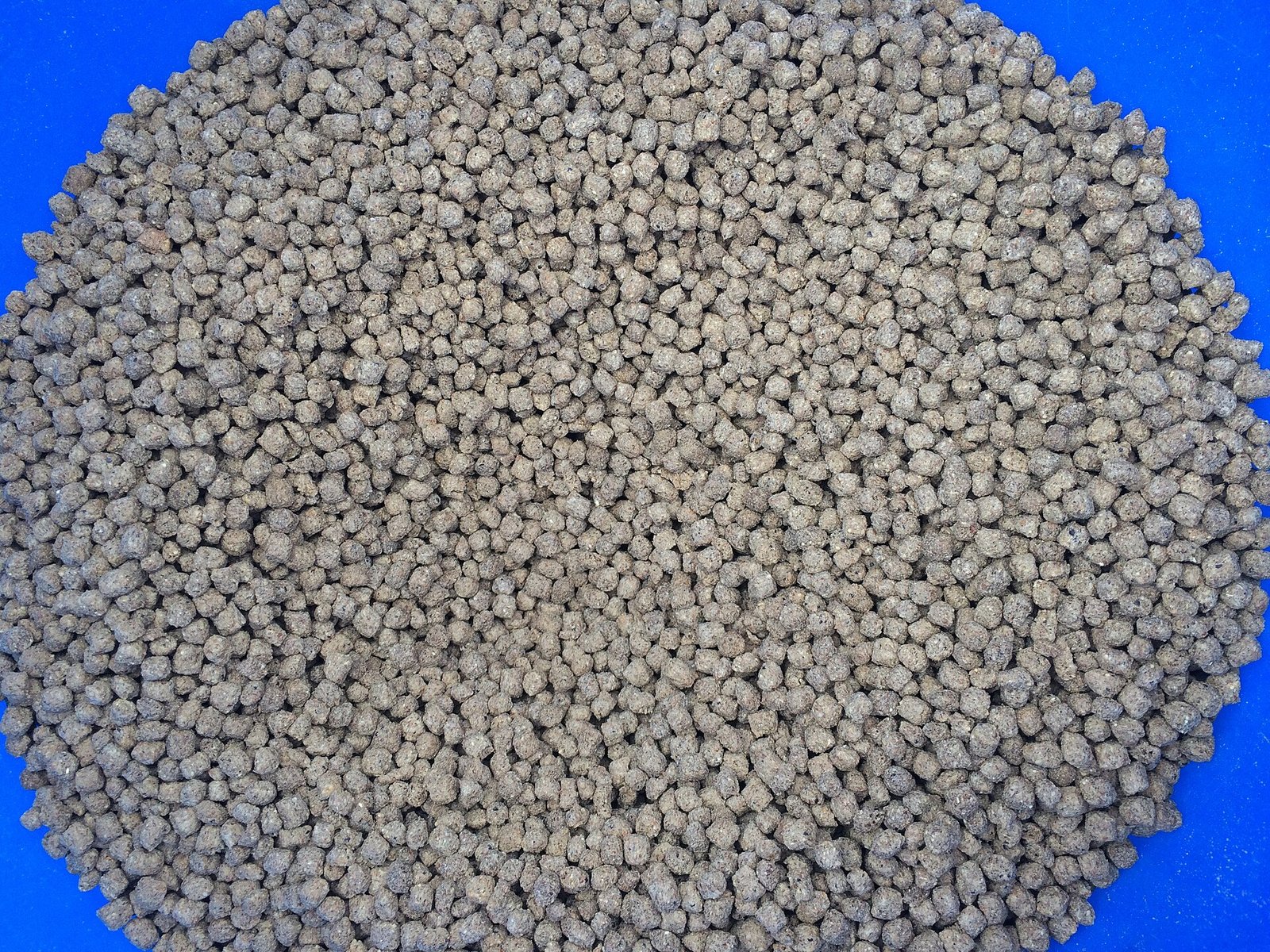
Single-Cell Protein from Methane/CO2 Feedstock
A specific class of single-cell protein production uses methanotrophic bacteria, microorganisms that metabolize methane as their primary carbon and energy source, or in some process variants carbon dioxide combined with hydrogen through gas fermentation, to grow protein-rich biomass without depending on arable land, freshwater-intensive crop cultivation, or marine fish stocks at all, positioning this specific feedstock pathway as distinct from, and in several sustainability analyses more land- and water-efficient than, both conventional soy-based plant protein and most insect meal production, which still requires a solid organic feedstock input. Using methane as the carbon source has an additional climate framing some producers emphasize, since methane captured from sources such as natural gas processing or in principle biogas and converted into protein biomass, rather than released directly to atmosphere, converts a potent greenhouse gas into a useful product, though the net climate benefit depends on where the methane feedstock actually originates and what it would otherwise have been used for or released as. Commercial-scale production of this specific feedstock pathway remains at an earlier stage of market penetration into aquafeed formulation than more established protein sources, with a small number of companies operating pilot-to-commercial-scale facilities and ongoing work to establish consistent nutritional characterization and feeding trial data across different target species before the ingredient achieves the broad formulation-software ingredient-database presence that long-established protein sources already have. Nutritional composition, protein content, amino acid profile, and digestibility for different aquaculture species, requires the same rigorous species-specific feeding trial validation any novel ingredient needs before formulators can confidently substitute it into commercial diets at meaningful inclusion rates.